

The short answer is yes. Thousands of composers, arrangers, music educators, and independent musicians earn income from selling digital sheet music online. While few people become wealthy from a single arrangement or composition, many creators generate steady income by building a catalog of music and distributing it through online marketplaces and personal websites.
The digital sheet music industry has expanded significantly thanks to platforms such as ArrangeMe, Musicnotes Marketplace, and Sheet Music Plus. These services allow composers to reach musicians around the world without printing physical copies.
Digital Sheet Music Market Overview
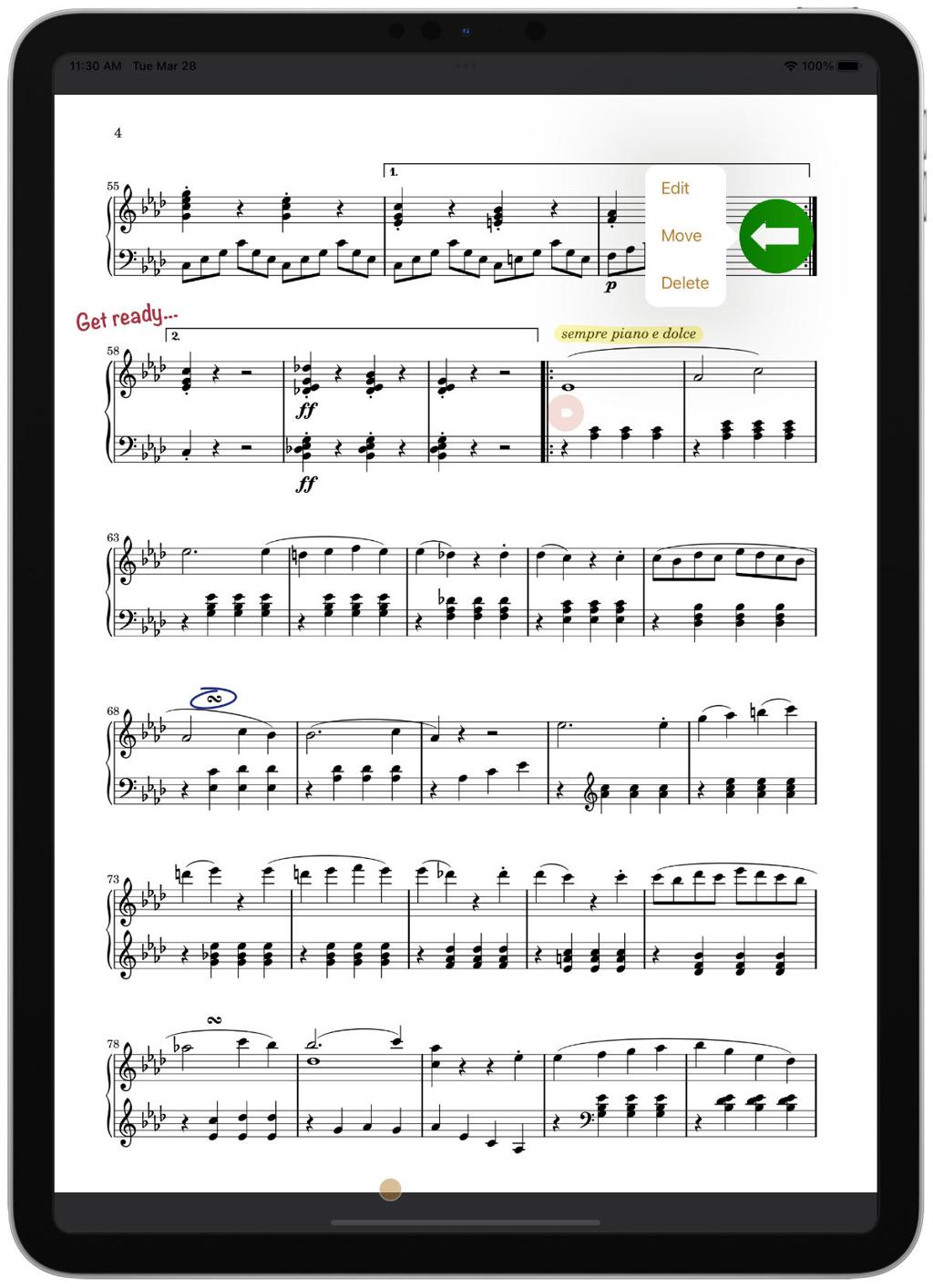
Digital sheet music refers to musical notation distributed electronically, usually as downloadable PDF files or interactive notation formats. Customers can instantly purchase, download, print, and perform the music without waiting for physical delivery.
Online marketplaces provide services such as payment processing, customer support, copyright administration, distribution, and royalty reporting. This allows composers to focus on creating music rather than managing logistics.
Learn more about publishing opportunities through ArrangeMe's publishing platform.
Why Musicians Buy Digital Sheet Music
Many people assume buyers only purchase arrangements of famous songs. In reality, musicians purchase a wide range of materials including:
- Original piano compositions
- Choir arrangements
- String quartet music
- Jazz charts
- Educational exercises
- Method books
- Film-style piano arrangements
- School band music
- Instrumental solos
- Worship music
Buyers are usually looking for accurate notation, professional formatting, easy printing, and immediate access to performance-ready music.
Digital Sheet Music Revenue Models
Marketplace Royalties
The most common revenue model involves uploading scores to established marketplaces and earning royalties each time a customer purchases a copy.
Popular platforms include:
- ArrangeMe
- Musicnotes Marketplace
- Sheet Music Plus
- Sheet Music Direct
These marketplaces provide access to large audiences while handling transactions and distribution. The creator receives a percentage of each sale.
Direct Website Sales
Many successful composers eventually sell directly through their own websites. This approach offers several advantages:
- Higher profit margins
- Full pricing control
- Customer ownership
- Email list building opportunities
- Greater brand development
Selling directly allows creators to establish long-term relationships with customers and promote future releases more effectively.
Subscription Memberships
Subscription-based revenue has become increasingly popular among composers and music educators.
Common membership platforms include:
- Patreon
- Private membership websites
- Exclusive educational communities
Members typically receive access to new scores, tutorials, MIDI files, backing tracks, and exclusive content on a recurring basis.
YouTube Sales Funnel

Many composers use YouTube as a marketing channel. Performance videos, tutorials, and score demonstrations help potential buyers hear the music before purchasing.
A typical workflow includes:
- Publishing performance videos
- Building an audience
- Adding sheet music links in descriptions
- Converting viewers into customers
Learn more through the Musicnotes Marketplace publishing guide.
Educational Materials
Music teachers frequently create educational resources that generate recurring sales:
- Method books
- Technique exercises
- Worksheets
- Sight-reading materials
- Practice studies
Educational products often enjoy longer lifespans than trend-driven arrangements.
Licensing and Publishing Revenue
Digital sheet music can lead to additional income streams such as:
- Performance royalties
- Mechanical royalties
- Commissioned compositions
- Music licensing deals
- Educational workshops
- Publishing contracts
Many professional composers view sheet music sales as one component of a broader music business strategy.
Real-World Example: ArrangeMe Success
Several independent composers have reported building substantial catalogs on ArrangeMe and generating consistent royalty income. One common observation is that self-promotion through social media, email newsletters, and professional networks often drives more sales than marketplace discovery alone.
This demonstrates an important principle:
Publishing creates the opportunity to earn revenue. Marketing creates the sales.
Real-World Example: Independent Website Sales
Many composers eventually transition toward direct sales using their own websites. By selling PDF scores directly, creators can control pricing, branding, delivery systems, and customer communication.
This model often becomes more profitable as audience size increases because platform commissions are reduced or eliminated.
Real-World Example: Niche Market Publishing
Specialized genres such as musical theatre, choir arrangements, educational materials, and worship music often perform well because they target dedicated audiences actively searching for new repertoire.
A single high-quality title can continue generating sales for years after publication.
What Successful Sellers Have in Common
Creators who consistently earn revenue from digital sheet music tend to share several characteristics:
- Professional notation quality
- Consistent publishing schedules
- Large music catalogs
- Audience engagement
- Effective marketing strategies
- Strong branding
- Multiple income streams
Most successful sellers treat sheet music publishing as an ongoing business rather than a one-time project.
How Much Money Can You Make?
Hobby Income
Many hobbyist composers earn between $10 and $500 per month from a small catalog of works.
Part-Time Business
Creators with larger catalogs and active marketing strategies may earn between $500 and $3,000 or more each month.
Full-Time Business
While less common, some composers generate full-time income by combining:
- Sheet music sales
- YouTube revenue
- Membership subscriptions
- Teaching
- Licensing
- Commissions
Common Mistakes That Reduce Sales
Poor Formatting
Musicians expect professional, readable notation. Poor layout and awkward page turns can significantly impact customer satisfaction.
No Marketing Plan
Uploading scores without promotion rarely produces meaningful sales. Marketing remains essential.
Ignoring Search Optimization
Product titles should clearly communicate:
- Instrument
- Difficulty level
- Genre
- Composer name
- Arrangement style
Limited Catalog Size
A larger catalog creates more opportunities for discovery and repeat purchases.
Copyright and Licensing Considerations
Original compositions are generally protected by the composer's copyright. However, arrangements of copyrighted songs often require appropriate licensing before they can be legally sold.
Platforms such as ArrangeMe help simplify licensing for approved arrangements.
Always verify copyright status before publishing derivative works.
Best Platforms for Selling Digital Sheet Music
| Platform | Best For |
|---|---|
| ArrangeMe | Original works and licensed arrangements |
| Musicnotes Marketplace | Large customer audience |
| Sheet Music Plus | Wide distribution |
| Personal Website | Maximum profit margins |
| Patreon | Recurring membership revenue |
| YouTube + Website | Audience-driven sales |
Frequently Asked Questions
Can beginners make money selling digital sheet music?
Yes. Beginners can earn income if they create useful, professionally formatted music that serves a specific audience. Building a catalog and marketing consistently are usually more important than experience alone.
How much should I charge for sheet music?
Pricing varies depending on complexity, instrumentation, and market demand. Many independent composers price digital scores between $3 and $20.
Do I need a website to sell sheet music?
No. Marketplaces such as ArrangeMe and Musicnotes Marketplace allow creators to sell without maintaining a personal website. However, owning a website provides greater control and higher profit margins.
Can I sell arrangements of popular songs?
Only if proper licensing requirements are met. Some platforms provide licensing solutions for approved arrangements.
Is selling digital sheet music passive income?
Partially. Once a score is published, it can continue generating sales for years. However, creating new music and marketing existing works typically require ongoing effort.
What software is commonly used to create sheet music?
Popular notation programs include Sibelius, Finale, Dorico, and MuseScore.
Conclusion
Selling digital sheet music can be a legitimate source of income for composers, arrangers, educators, and performers. While success rarely happens overnight, creators who consistently publish quality music, build audiences, and diversify revenue streams often develop sustainable music businesses.
The most successful publishers view sheet music not simply as individual products but as part of a larger ecosystem that includes education, performance, memberships, licensing, and community building.