
Composing original instrumental music in 2026 is more accessible than ever. With modern digital tools, AI-assisted platforms, and free educational resources, anyone can begin creating expressive and professional-sounding music.
Start with Musical Ideas
Every composition begins with an idea. This could be a short melody, a rhythm, a chord progression, or even an emotional concept. Many composers record ideas using their phone or directly inside a Digital Audio Workstation (DAW).
Over time, these small ideas can be developed into complete pieces by repetition, variation, and expansion.
Choosing Instruments and Sounds
Decide what instruments will shape your sound. Piano, strings, guitars, synthesizers, or percussion all offer different textures. You don’t need physical instruments— most modern DAWs include high-quality virtual instruments.
Free sound libraries such as Spitfire Audio LABS and Virtual Playing Orchestra are excellent starting points for beginners.
Understanding Melody, Harmony, and Rhythm
Melody is the main musical line, harmony provides chordal support, and rhythm defines timing and groove. Together, they form the foundation of all instrumental music.
Learning basic scales, chords, and rhythmic patterns will dramatically improve your ability to compose cohesive and emotional music.
Notation and Music Theory Tools
While not mandatory, understanding notation helps structure ideas. MuseScore is a free, open-source notation program ideal for beginners.
Interactive theory lessons are available at Ableton Learning Music, which teaches rhythm, melody, and harmony in an intuitive way.
Digital Audio Workstations (DAWs)
A DAW is the primary tool for composing and producing music. Popular choices in 2026 include:
- Ableton Live – Flexible and performance-friendly
- FL Studio – Excellent for beats and electronic music
- Logic Pro – Powerful all-in-one DAW for macOS
Using AI Tools to Assist Composition
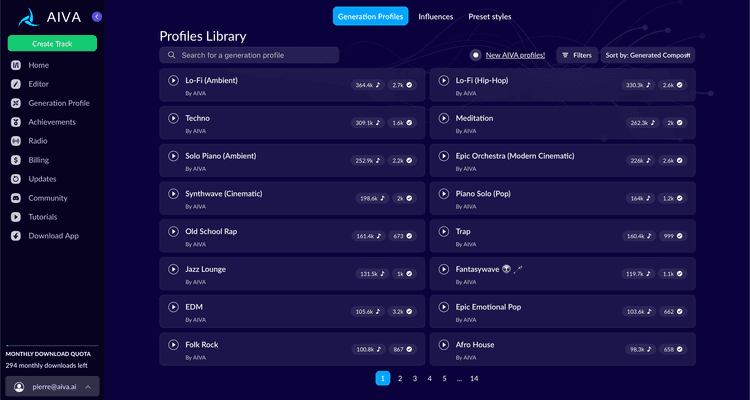
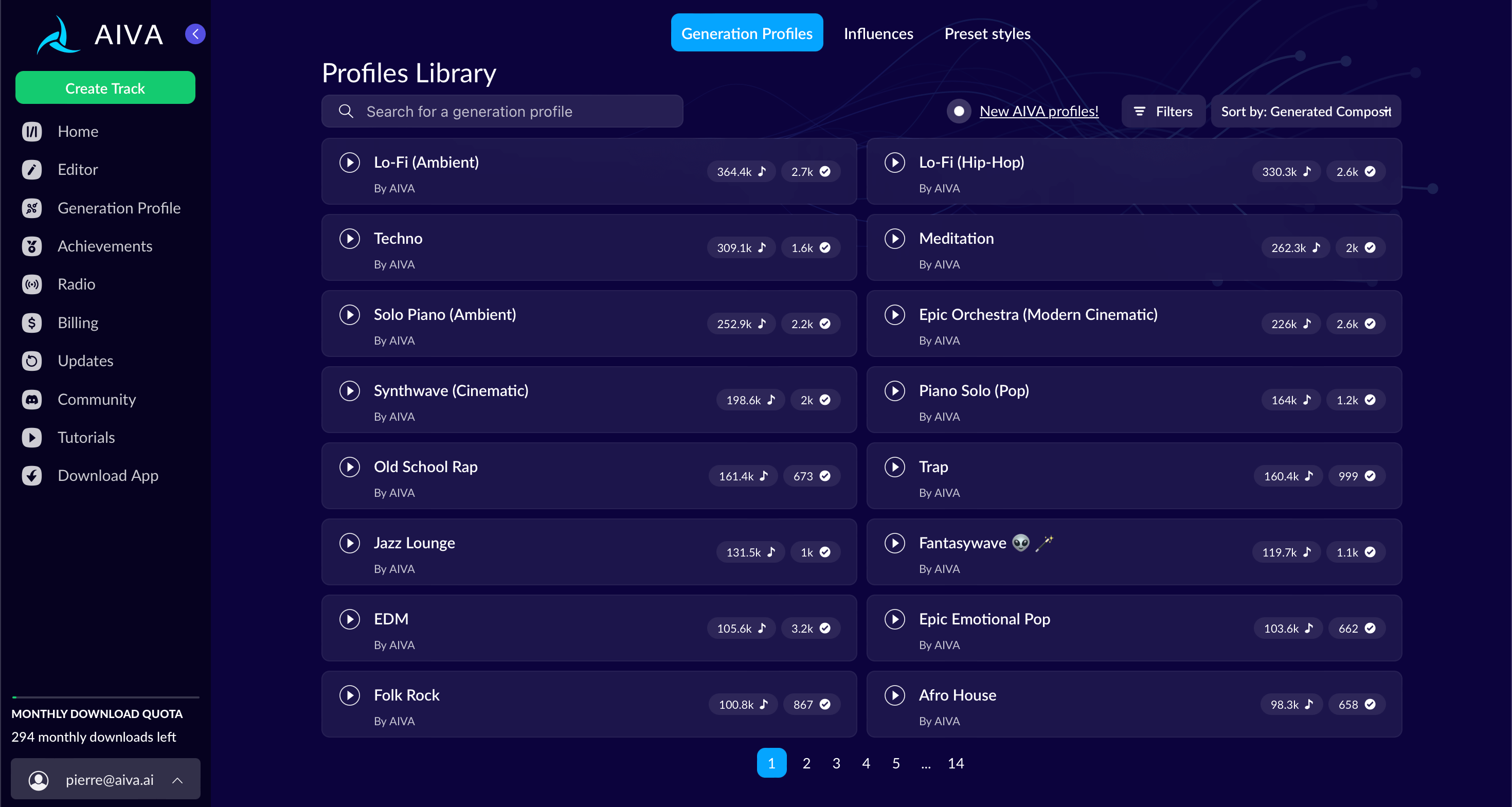
AI tools are widely used in 2026 to assist composers. Platforms like AIVA generate instrumental compositions in various styles using MIDI.
Text-to-music platforms such as Suno and Udio allow users to generate full instrumental tracks from written prompts.
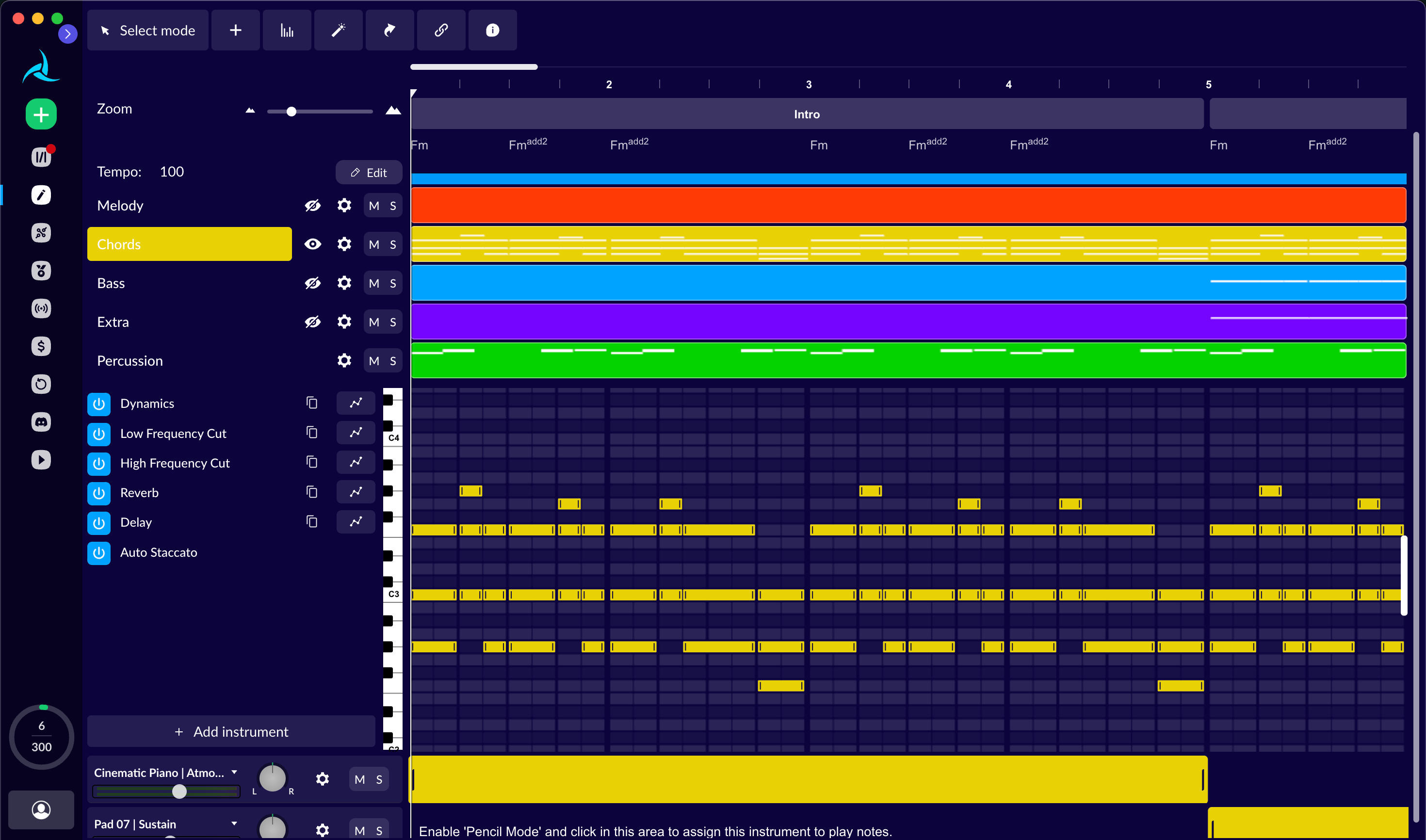
These tools are best used as creative assistants—not replacements for human expression. Editing, arranging, and refining AI-generated ideas is where originality emerges.
Learning Resources and Communities
Many free learning platforms support beginner composers:
Practice, Style Development, and Feedback
Consistent practice is essential. Set realistic goals, analyze music you admire, and experiment with new sounds. Sharing your work and receiving feedback helps refine your skills and confidence.
Frequently Asked Questions (FAQ)
Do I need music theory to compose instrumental music?
No, but basic music theory greatly helps. Many composers start by ear and gradually learn theory as they progress.
What is the best DAW for beginners in 2026?
FL Studio and GarageBand are beginner-friendly, while Ableton Live and Logic Pro offer more advanced workflows as skills improve.
Can AI compose music for me?
AI can generate ideas, but human creativity is still essential for originality, emotional depth, and final artistic decisions.
Is it expensive to start composing music?
No. Many free tools, DAWs, and sound libraries allow beginners to start composing at little or no cost.
Conclusion
Composing original instrumental music in 2026 is a blend of creativity, technology, and continuous learning. With modern DAWs, AI tools, and free educational platforms, the barriers to entry are lower than ever.
Start small, experiment often, and allow your musical voice to develop naturally.