
Video game music is one of the most powerful yet often overlooked elements of interactive entertainment. It shapes how players feel, how they interpret the story, and how deeply they connect with virtual worlds. From the simple chiptune melodies of early arcade games to the adaptive orchestral soundtracks of modern AAA titles, video game music has evolved into a sophisticated creative and technical discipline.
Understanding the Role of Music in Video Games
Unlike film or television music, video game music is interactive and non-linear. It must respond dynamically to player actions, environments, and emotional states. This makes game music fundamentally different from traditional composition.
- Establishing atmosphere and mood
- Enhancing emotional storytelling
- Supporting gameplay pacing
- Signaling danger, success, or failure
- Reinforcing character identity
- Increasing immersion and presence
Musical Foundations for Game Composition
Every game soundtrack is built on core musical elements such as melody, harmony, rhythm, texture, and motifs. Many iconic games use leitmotifs—recurring themes that represent specific characters or concepts. Famous examples include The Legend of Zelda, Final Fantasy, Halo, and The Witcher.
Choosing a Digital Audio Workstation (DAW)
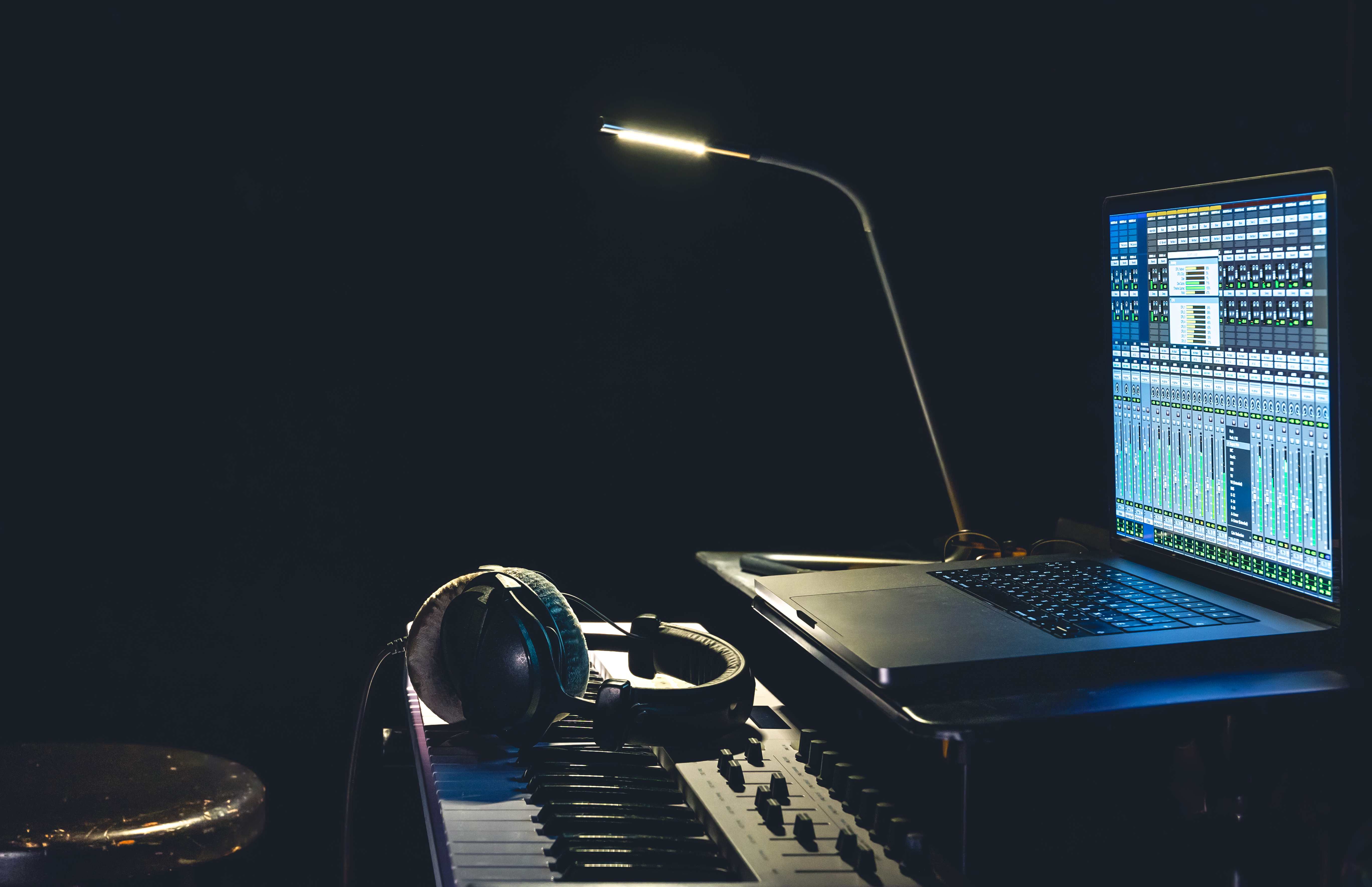
A Digital Audio Workstation (DAW) is your main tool for composing and producing game music.
Virtual Instruments and Sound Libraries
Most game composers rely on high-quality virtual instruments and sample libraries instead of recording real orchestras.
Game Audio Middleware
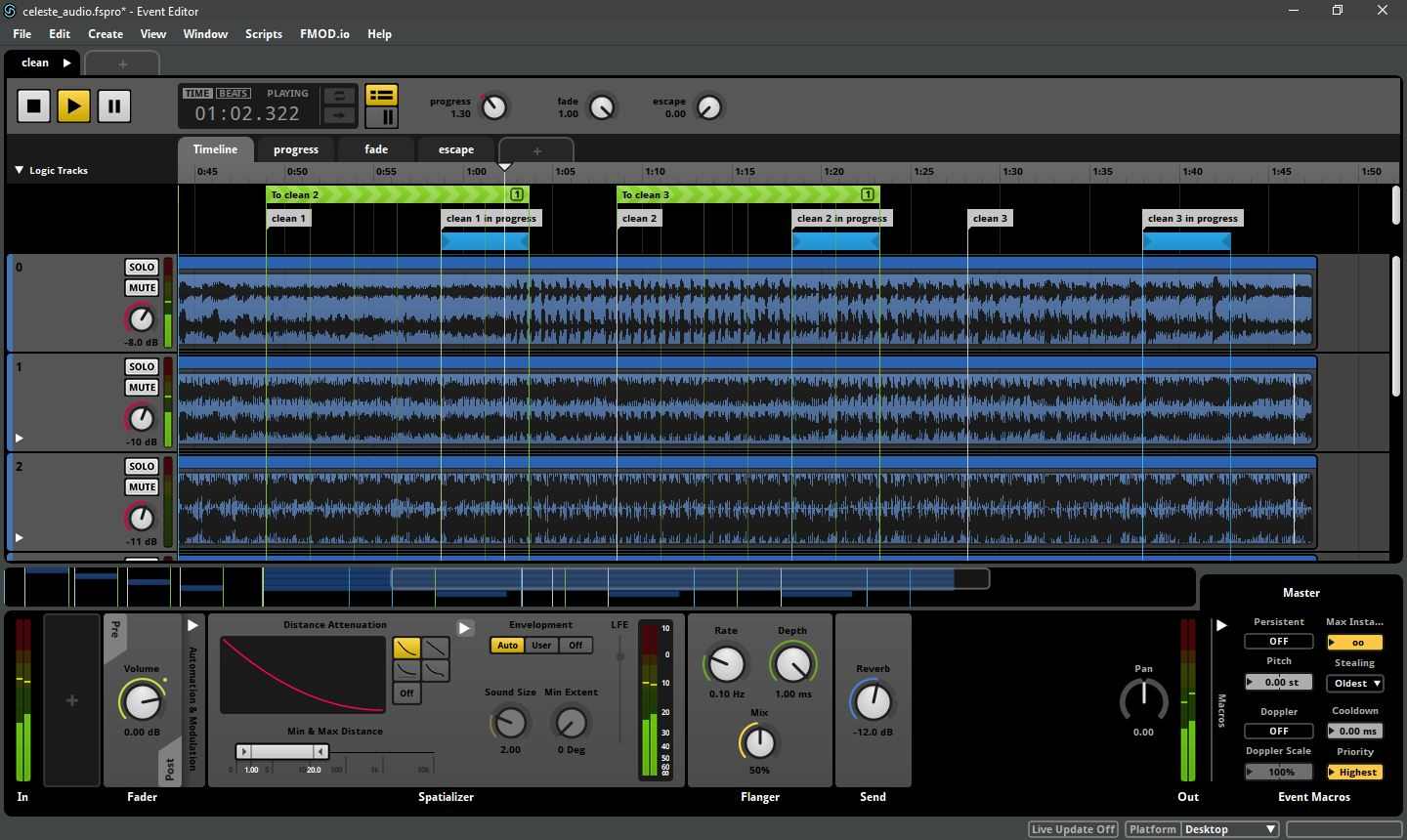
Middleware enables dynamic and adaptive music systems in games.
Adaptive Music Systems
Horizontal Resequencing
Music jumps between different sections depending on gameplay.
Vertical Layering
Multiple musical layers are added or removed dynamically.
Parameter-Based Music
Music responds to player health, speed, or environment.
Sound Design vs Music
Sound design includes footsteps, UI sounds, explosions, and environmental ambience. Music and sound design must work together.
Useful tools: iZotope RX, Soundly
Using AI in Game Music (2026)
AI tools are now widely used for idea generation and prototyping.
Professional Workflow for Game Music
- Study the game’s story and mechanics
- Identify emotional moments
- Write main themes and motifs
- Design adaptive structures
- Implement in middleware
- Test and refine
Learning Resources
Monetizing Video Game Music
Frequently Asked Questions (FAQ)
Do I need programming skills?
No, but understanding basic game logic helps a lot.
Is orchestral music required?
No. Many successful games use electronic, ambient, lo-fi, or chiptune styles.
Can I use FL Studio for professional game music?
Yes. Many indie and professional composers use FL Studio.
Can AI create entire game soundtracks?
AI can assist, but human creativity is still essential.
How long does it take to become good?
Basic skills: 3–6 months. Professional level: 2–5 years.
Conclusion
Constructing video game music is a fusion of music composition, sound design, technology, psychology, and interactive storytelling. Modern game composers are not just musicians—they are interactive audio architects.
With the right tools, theory, and practice, anyone can start creating immersive and emotionally powerful video game soundtracks in 2026.