
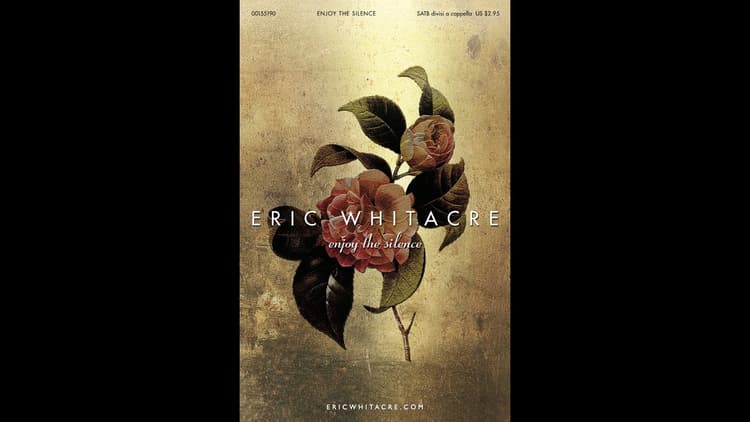
The provided quote captures composer, conductor, and choral innovator Eric Whitacre’s profound view of musical silence not as emptiness but as a dynamic, sculptable force. The full statement (slightly expanded from the user’s version and corrected for the common transcription “rubato,” not “Roboto,” and “beats of rest”) originates from his 2021 online masterclass The Beautiful Mess: Masterclass in Composition & Creativity. Whitacre has reposted video clips of it on social media in subsequent years, noting it resonates even more strongly over time.
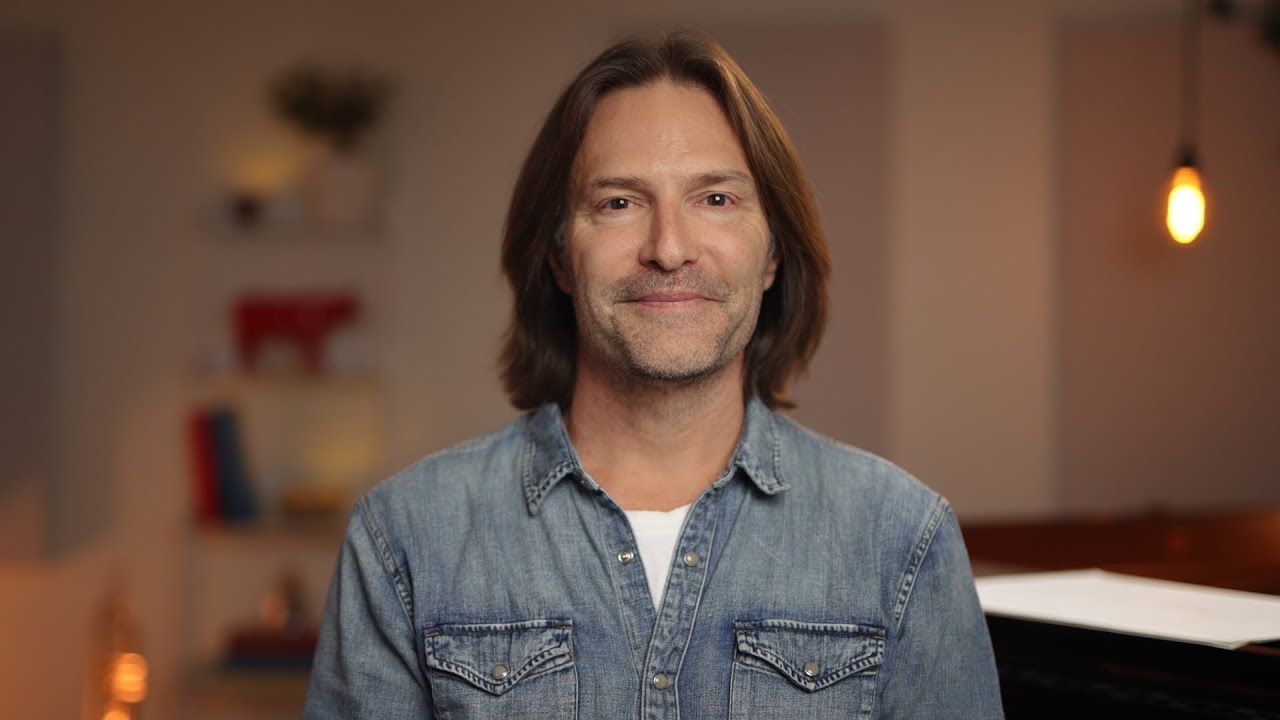

“Silence has texture, it has gravity, it has weight, it’s liquid. And I find even when I’m conducting silences that I’ve composed, I conduct them with rubato. Silence is this thing to be shaped. It’s alive, and every note of rest I have written as a composer is designed to be performed that way. Not just as a placeholder between sound, but as a living, breathing thing. For me, the silence is the principal building block to music and it’s the thing that makes it come to life.”
This perspective has been widely shared and applied beyond choral music, notably in voice-over narration and spoken-word performance. Below is a comprehensive analysis structured by thematic headings, drawing from Whitacre’s own videos and masterclass, the 2022 article The Many Meanings of Silence (which directly quotes and expands on it), Reddit discussions of his works, and related musical sources. Every section includes references (with backlinks), real-world examples, and connections to the quote.
1. Origins of the Quote: From Masterclass to Cultural Resonance
The statement comes directly from The Beautiful Mess, a video-based masterclass series launched in late 2021 where Whitacre distills his creative process. He has shared excerpts via Instagram, Facebook, and YouTube Shorts, with reposts as recent as 2025–2026 emphasizing its timeless relevance.
References & Backlinks:- Original masterclass context: Eric Whitacre’s Virtual School
- Reposted video: Instagram reel and Facebook
- Extended quote and application: The Many Meanings of Silence article
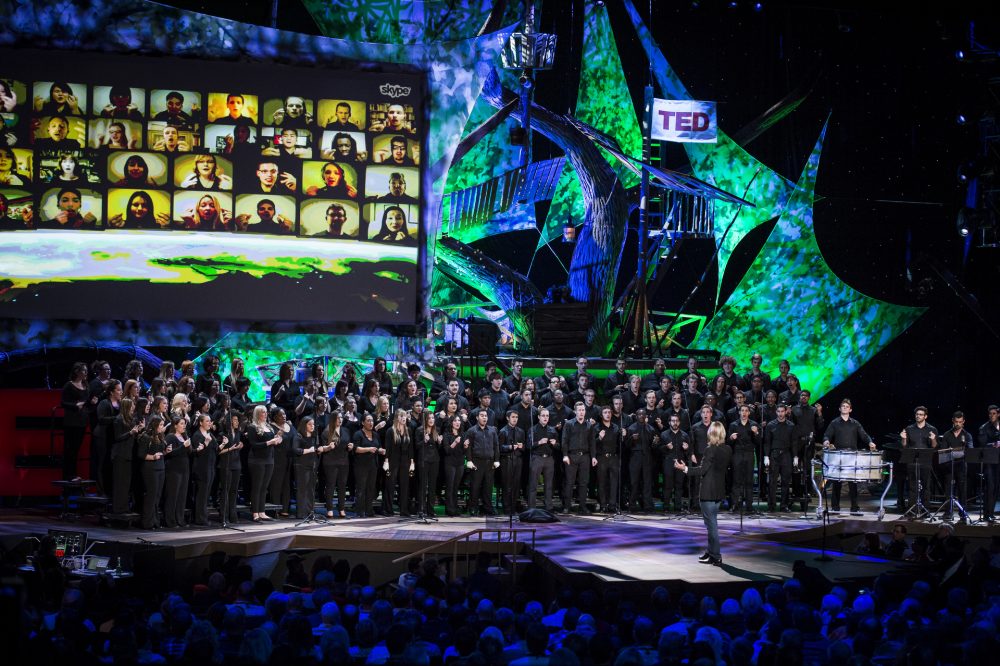
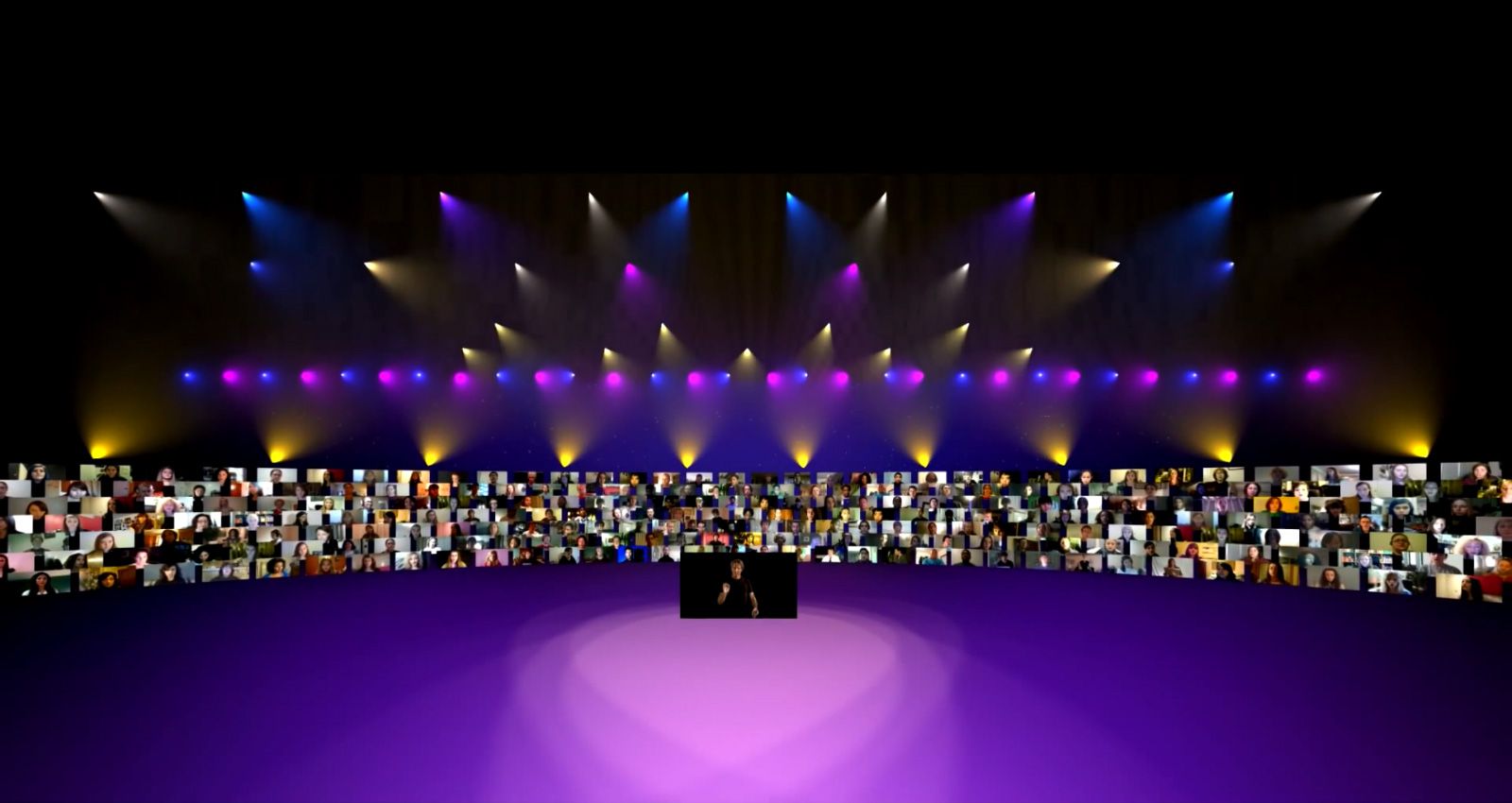
Whitacre’s own Virtual Choir projects (e.g., Sing Gently, 2020) rely on precisely timed silences edited across thousands of remote singers, turning “rests” into a cohesive, living texture that only exists in the final mix.
2. Silence as Texture, Gravity, Weight, and Liquid: Metaphors Decoded
Whitacre personifies silence with sensory, physical qualities—texture (tactile), gravity/weight (pull and substance), and liquidity (fluid, shapeable flow). This rejects the Western classical default of silence as mere “rest” (a placeholder in notation).
References & Backlinks:- Whitacre’s video and masterclass (linked above)
- Narrator’s extension: The Many Meanings of Silence, which applies the metaphors to spoken pauses
In Whitacre’s A Boy and a Girl (performed by VOCES8), each phrase ends in resonant silence that “breathes” before the next chord. Listeners report the silence itself feeling heavy and liquid, allowing overtones to decay naturally—exactly as Whitacre describes shaping it.
3. Conducting Silences with Rubato: Technique in Practice
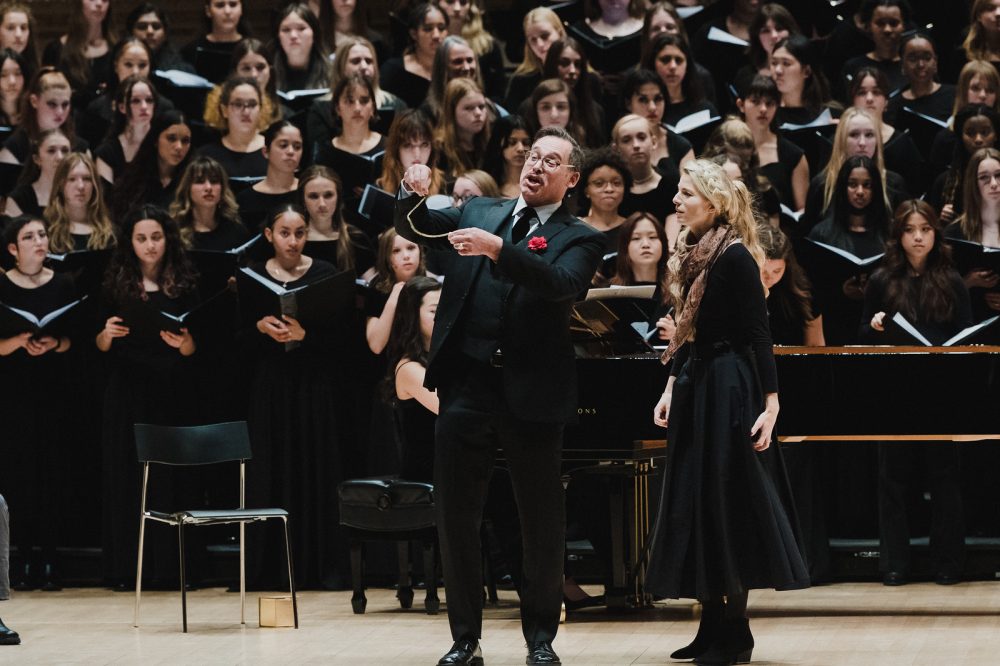
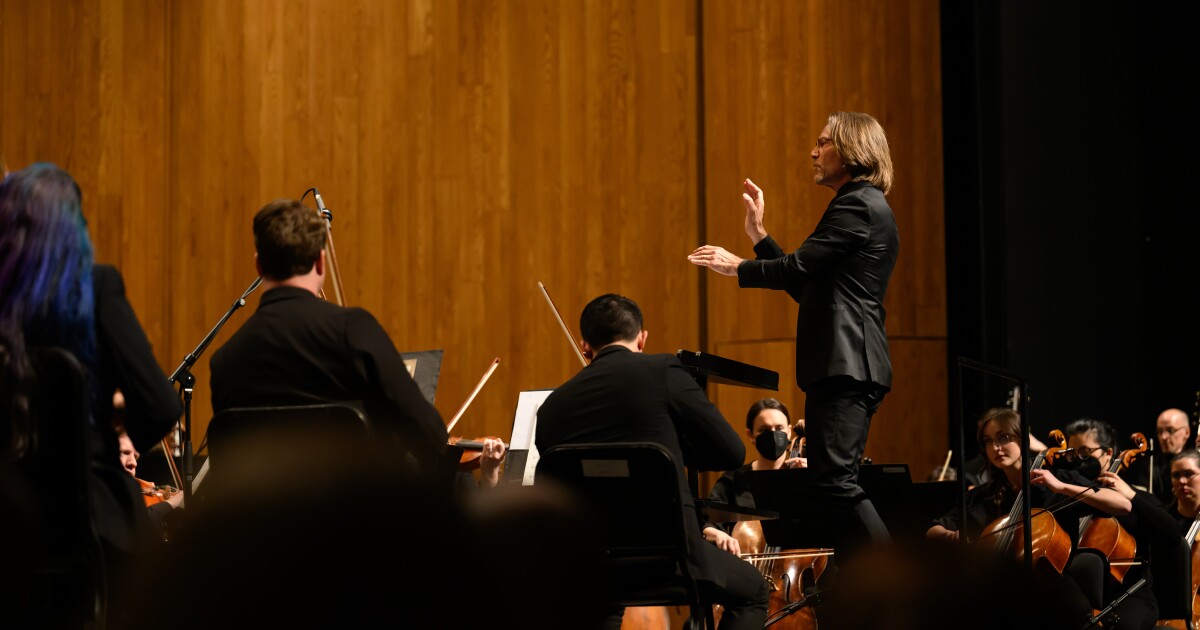
“Even just three beats of rest” (as in the user’s quote) are conducted with rubato—a flexible, expressive stretching or compressing of tempo. Whitacre physically shapes these moments as if the silence were a living phrase, never counting mechanically (“one-two-three-now-we-sing”).
References & Backlinks:- Masterclass excerpt: Facebook post from December 2021
- Conductor insights: University of Oklahoma thesis on conductors’ approaches to Whitacre’s works
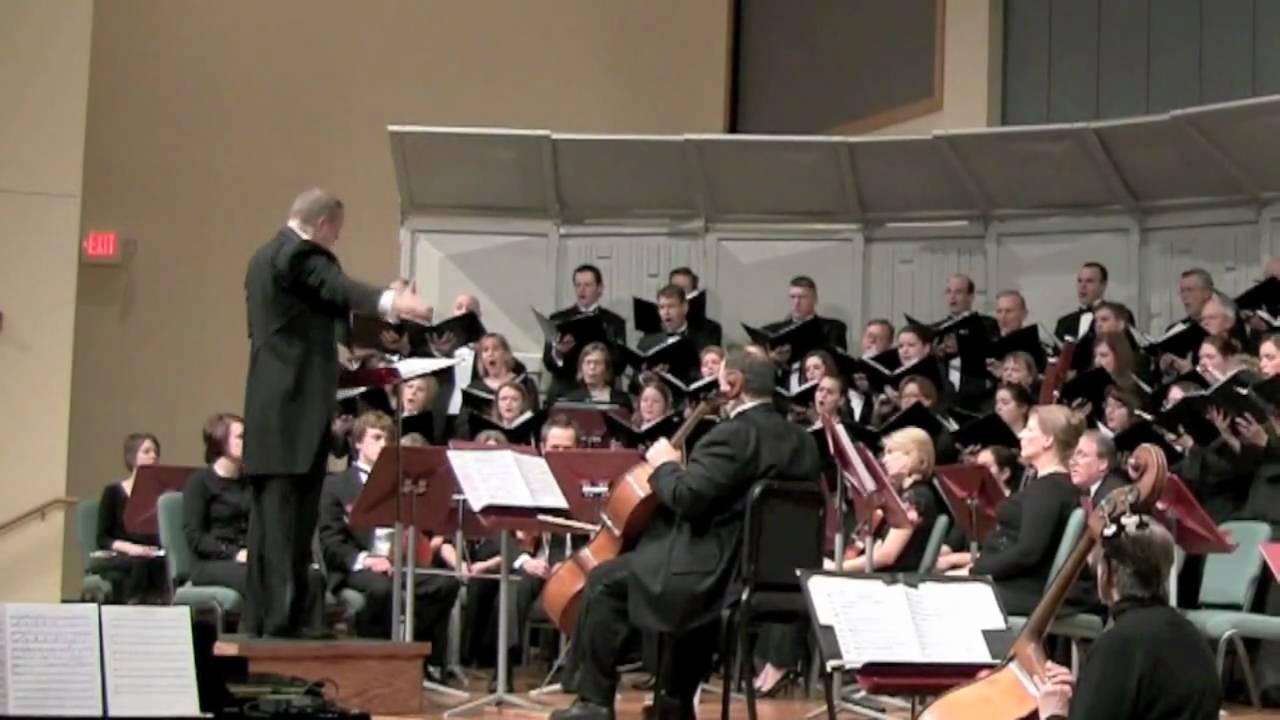
During live performances of Sleep (2000), Whitacre’s choirs hold long fermatas and rests where the conductor’s gesture visibly molds the silence. Reddit users in r/Frisson describe the 3:50 mark as producing intense emotional “frisson” precisely because the silence feels alive and weighted.
4. Silence as the Principal Building Block of Music
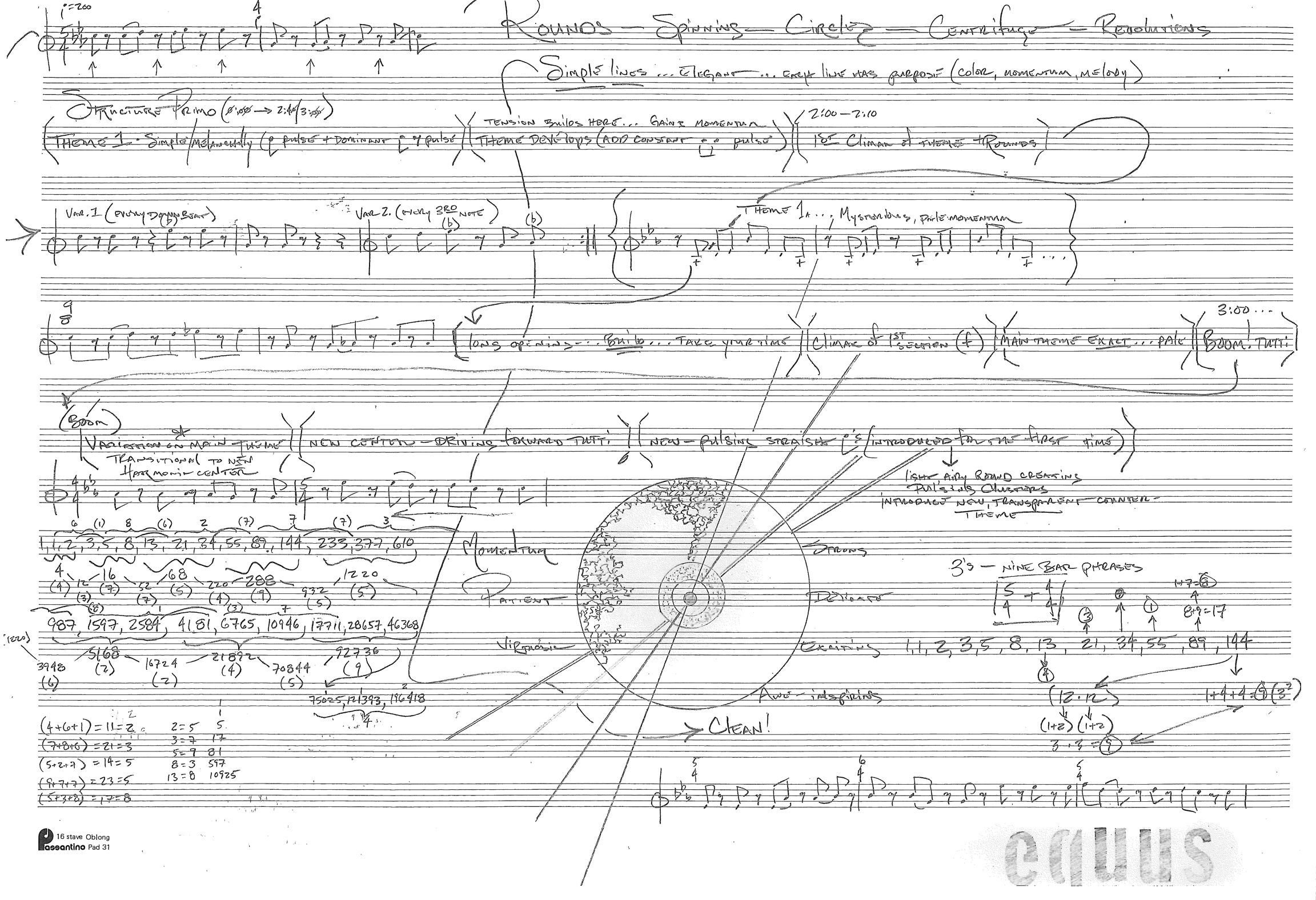
Whitacre inverts the common view: sound emerges from silence, not vice versa. Every rest he writes is intentional architecture.
References & Backlinks:- Direct quote source: The Many Meanings of Silence
- Whitacre’s composition philosophy: His Reddit AMA (2013) where he discusses intentional dissonance and resolution that rely on surrounding silence (link)
The Sacred Veil (2020), a 12-movement cycle on love, loss, and death, uses extended silences between movements to evoke the “thin veil” between life and afterlife—silence literally becomes the emotional bridge.
5. Real-World Examples in Whitacre’s Repertoire and Arrangements
Whitacre’s philosophy manifests across his catalog and arrangements.
References & Backlinks:- Reddit choral community: r/choralmusic and r/depechemode threads praising his Enjoy the Silence arrangement (link)
- Performance discussions: r/Frisson on Sleep (link)
- When David Heard (1999): Long, pregnant silences mirror biblical grief; Reddit singers call it “gut-wrenching” because the rests allow the pain to linger.
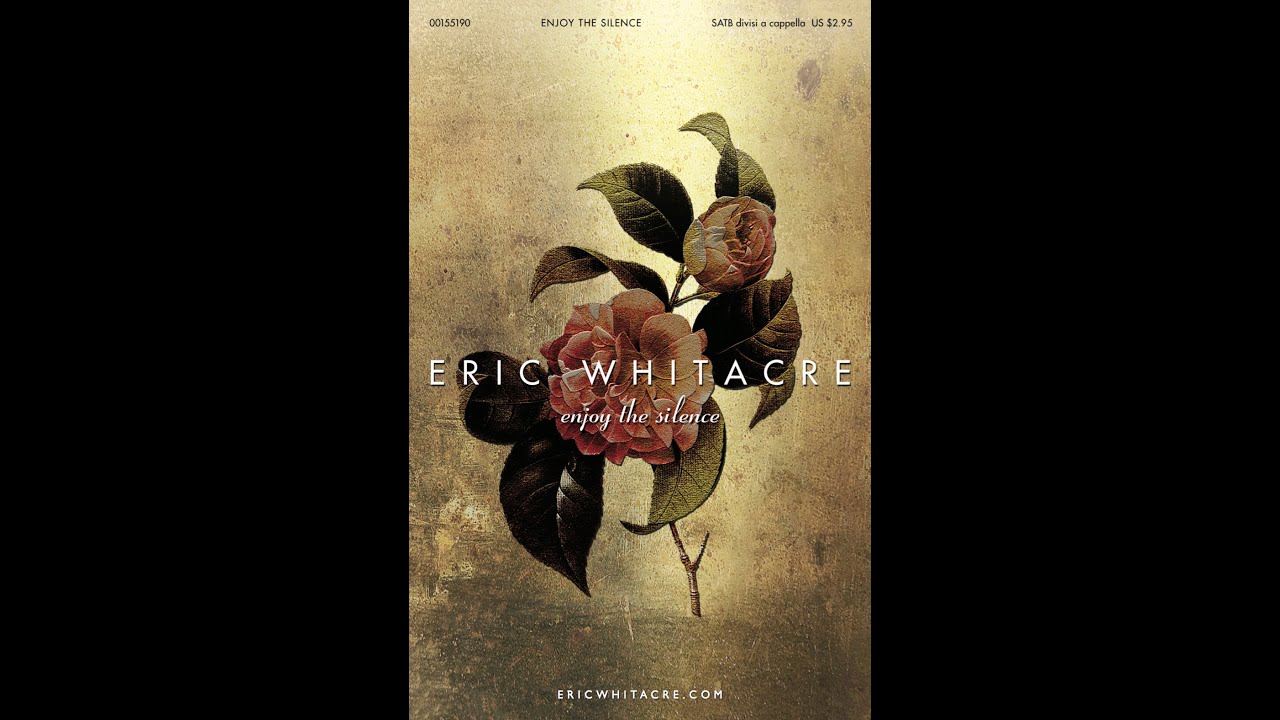
- Enjoy the Silence (Depeche Mode arr. Whitacre): Ironically turns a pop song about words into a choral meditation where silence is the message.
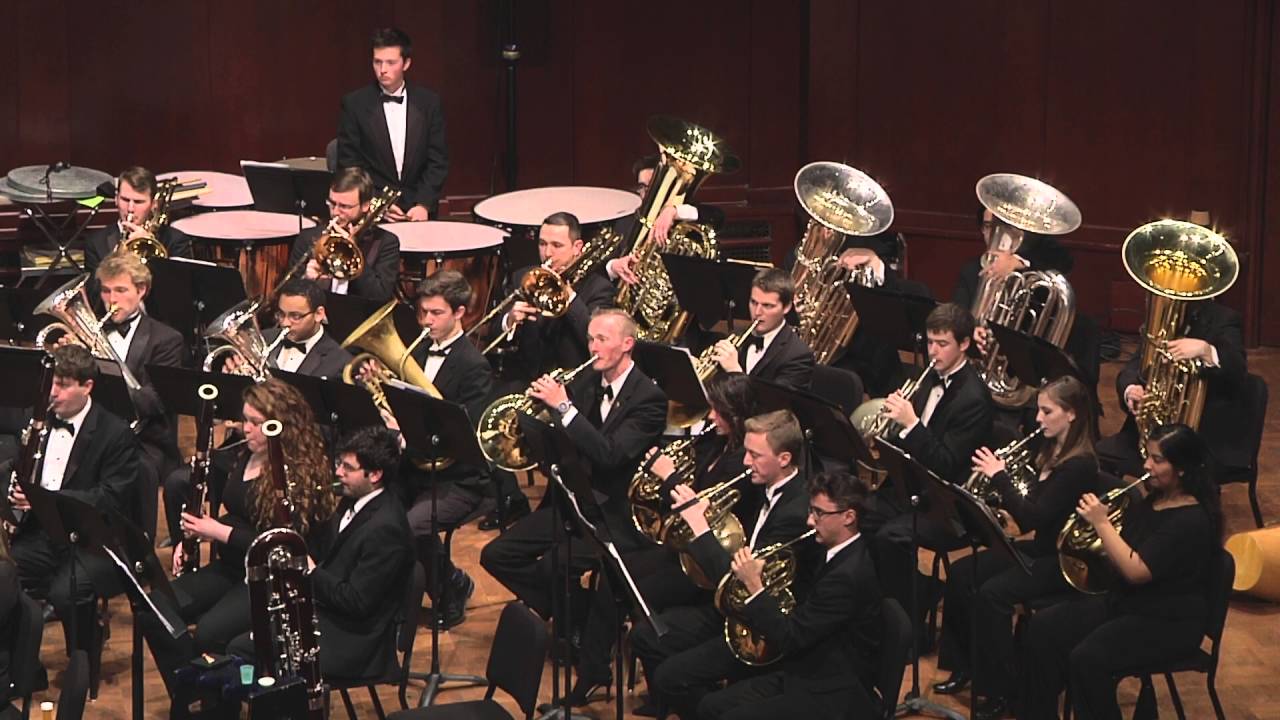
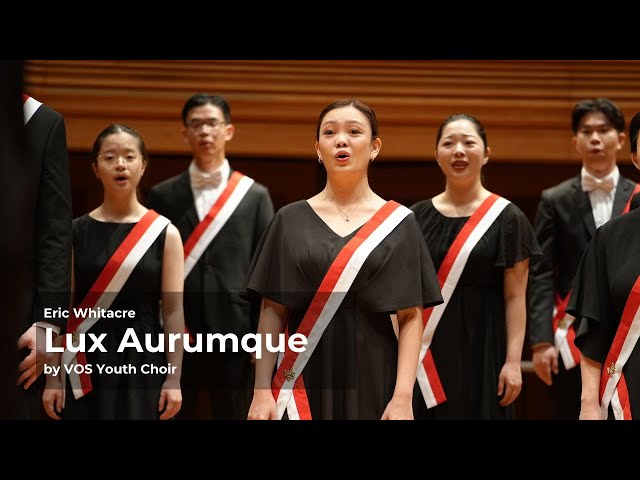
- Band transcriptions (Lux Aurumque, October): Conductors note the same rubato treatment of rests transfers to instrumental ensembles.
6. Broader Implications: Silence in Narration, Life, and Other Art Forms
The quote extends naturally to spoken word, therapy, and mindfulness.
References & Backlinks:- Voice-over application: The Many Meanings of Silence (full article linked above)
- Health & philosophy: Same article cites Leonardo da Vinci and broadcast techniques
Professional narrators add “room tone” (engineered silence) so pauses feel alive. In therapy or public speaking, the “pregnant pause” before a key revelation mirrors Whitacre’s shaped rests—creating anticipation and emotional gravity.
7. Community Echoes on Reddit and Online Forums
While the exact quote rarely appears verbatim on Reddit, Whitacre’s choral output sparks frequent discussions of how his silences create transcendence.
References & Backlinks:- r/choralmusic, r/musictheory, r/Frisson threads (linked in sections above)
- Whitacre AMAs (2013 & 2015): 2013 AMA and 2015 AMA
In r/bestof, a 2016 thread highlights a Redditor’s theory question answered by Whitacre himself; commenters repeatedly praise how his rests “breathe” and feel intentional rather than empty.
Whitacre’s insight—that silence is alive, shaped, and essential—remains a cornerstone of modern choral practice and beyond. It invites every performer, composer, and listener to treat rests not as voids but as the very air that makes music breathe. For the complete masterclass experience, visit Eric Whitacre’s Virtual School; for immediate immersion, search his YouTube channel for the “Silence” short. The silence between notes, after all, is where the music truly lives.
Frequently Asked Questions (FAQ)
What is the exact source of Eric Whitacre’s quote about silence?
It comes from his 2021 online masterclass The Beautiful Mess: Masterclass in Composition & Creativity. He has since reposted short video clips on Instagram, Facebook, and YouTube.
What does Whitacre mean by conducting silence “with rubato”?
Even short rests (e.g., three beats) are shaped expressively with flexible timing, never counted mechanically. The conductor physically molds the silence as if it were a living musical phrase.
How does this philosophy appear in Whitacre’s actual compositions?
In works like Sleep, The Sacred Veil, and When David Heard, long fermatas and rests are deliberately written to feel heavy, liquid, and emotionally charged rather than empty.
Has this idea influenced fields outside choral music?
Yes — voice-over artists, public speakers, and therapists use the same concept of “living pauses” and “room tone” to create emotional gravity and anticipation.
Where can I watch or buy the full masterclass?
The complete The Beautiful Mess masterclass is available at Eric Whitacre’s Virtual School.
Are there Reddit discussions specifically about Whitacre’s use of silence?
Yes — search r/choralmusic, r/Frisson, and r/musictheory. Threads about Sleep and his 2013/2015 AMAs frequently highlight how his rests “breathe” and feel alive.
Can this philosophy be applied by amateur musicians or conductors?
Absolutely. Any conductor or performer can treat rests with rubato and intention. Whitacre’s message is that silence is the principal building block — not a placeholder.