
Introduction
For composers, arrangers, educators, performers, and sheet music publishers, one question appears repeatedly:
How accurate does a transcription actually need to be?
The answer depends on the purpose of the transcription. A concert pianist preparing a recital expects a far higher level of precision than a beginner learning a favorite pop song. Likewise, a jazz musician may accept slight variations in voicings, while an orchestral performer requires exact notation.
Discussions across Reddit communities, professional engraving resources, transcription services, music publishers, and educational platforms reveal a common consensus: a transcription does not necessarily need to be 100% identical to every sound in a recording, but it must be accurate enough to communicate the musical intent clearly and consistently.
Reference: Reddit Music Theory Discussion
What Musicians Mean by “Accurate Transcription”
Reference: Soundnotation Quality Control Guide
Many beginners assume transcription accuracy means writing down every note exactly as heard.
Professional engravers and transcription specialists disagree.
A quality transcription typically includes:
- Correct pitches
- Correct rhythms
- Correct meter
- Appropriate key signatures
- Accurate chord symbols
- Clear articulations
- Logical phrasing
- Readable notation
- Practical page layout
Professional transcription companies emphasize that audio recognition is only the starting point. Human review is required because music notation is designed for performers, not computers.
Learn more: Professional Sheet Music Quality Standards

Accuracy vs. Readability
One of the biggest misconceptions in sheet music publishing is believing that absolute accuracy always produces the best score.
Professional engraving standards often prioritize readability over microscopic precision.
For example, a performer may play a slightly swung rhythm that mathematically resembles triplets. Instead of notating every triplet exactly, publishers often write straight eighth notes and add a swing indication because that is how musicians expect to read jazz notation.
Reference: Sheet Music Quality Standards
Common readability adjustments include:
- Enharmonic spelling corrections
- Rhythm simplification
- Improved spacing
- Performance convention markings
The goal is not simply documenting sound. The goal is creating music that performers can read and play successfully.
What Reddit Musicians Say About Accuracy
Many experienced musicians on Reddit argue that perfect transcription is often unrealistic.
Community discussions frequently highlight that:
- Most commercial transcriptions contain small errors.
- Professional musicians regularly modify scores during performance.
- Dense recordings can be impossible to transcribe perfectly.
- Human interpretation always affects transcription decisions.
Discussion source: Musicians Discuss Transcription Accuracy
Many contributors distinguish between a transcription, which documents what was played, and an arrangement, which intentionally changes musical elements for performance purposes.
Different Quality Standards for Different Uses
Educational Sheet Music
Educational sheet music prioritizes:
- Simplicity
- Readability
- Progressive learning
- Student success
A beginner piano arrangement may intentionally simplify rhythms, reduce hand movement, or omit secondary voices to improve accessibility.
Real-world example: beginner arrangements of songs by Taylor Swift and Ed Sheeran often simplify accompaniment patterns while preserving the recognizable melody.

Professional Performance Scores
Professional performers expect higher standards.
- Precise rhythms
- Accurate voicings
- Complete harmonies
- Reliable page turns
- Correct articulations
- Detailed dynamic markings
Professional publishers typically conduct multiple review stages before publication.
Reference: Professional Score Quality Control
Jazz Transcriptions
Jazz transcription introduces unique challenges.
- Rubato timing
- Swing feel
- Ghost notes
- Improvisation
- Microtiming variations
Many jazz educators acknowledge that notation cannot perfectly capture every expressive nuance of a live performance.
Jazz transcriptions often focus on preserving:
- Harmonic language
- Rhythmic intent
- Phrasing concepts
- Improvisational ideas
Reference: Jazz Piano Community Discussion
The Most Common Transcription Errors
Reference: Songtive Transcription Mistakes Guide
Wrong Notes
Even a small number of incorrect pitches can alter harmonic meaning significantly.
Incorrect Rhythms
Many professional musicians consider rhythm mistakes more damaging than note mistakes.
Further reading: Human vs AI Music Transcription
Poor Chord Symbols
Incorrect chord symbols can mislead accompanists and change the overall harmonic structure.
Missing Dynamics
Dynamics communicate expression and musical intention.
Bad Engraving
Formatting mistakes include:
- Overcrowded systems
- Inconsistent spacing
- Overlapping markings
- Poor lyric alignment
Reference: ArrangeMe Engraving Guide
Why 100% Accuracy Is Often Impossible
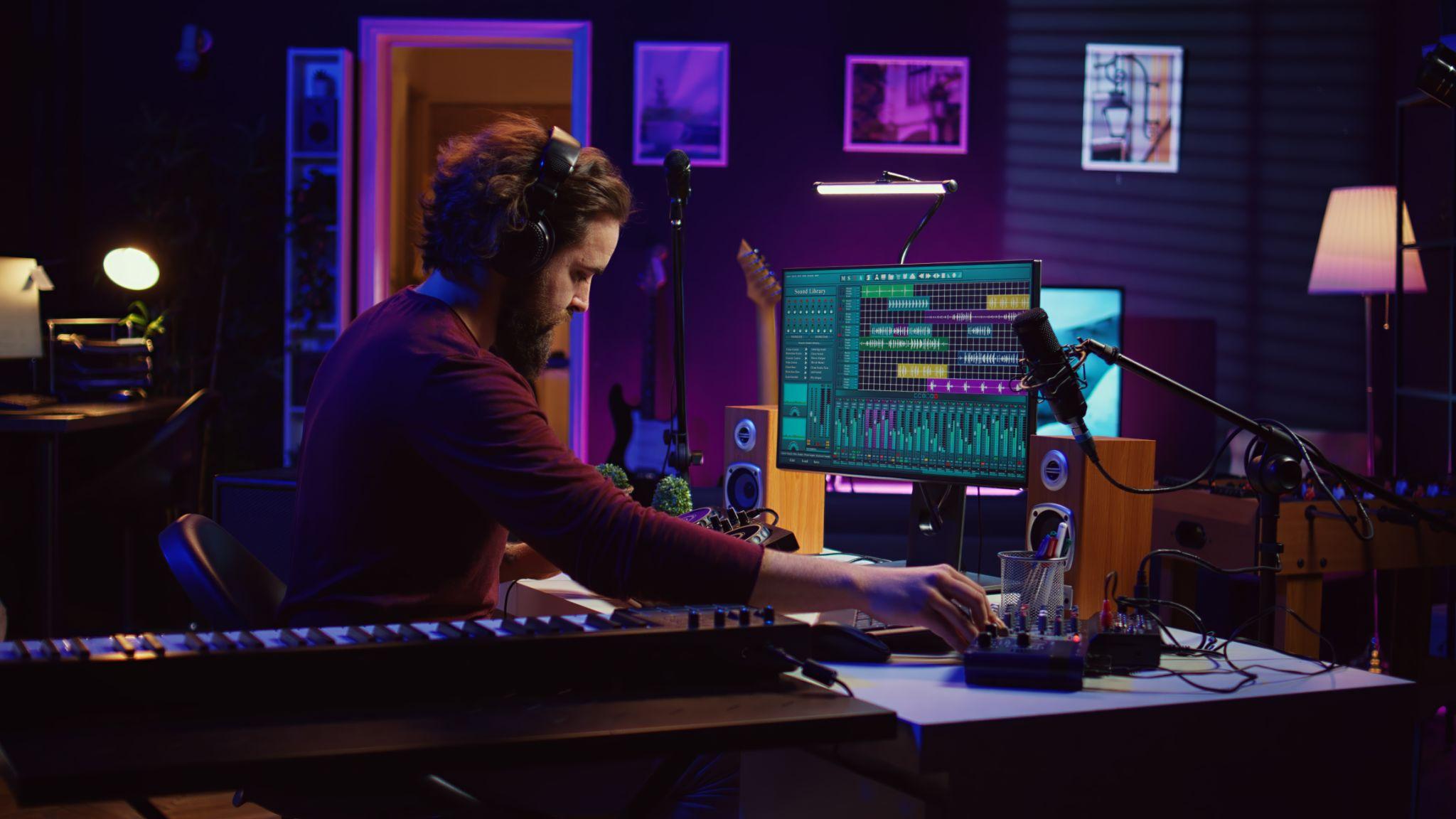
Modern recordings frequently include:
- Multiple overdubs
- Layered instruments
- Studio effects
- Compression
- Reverb processing
- Digital editing
Research shows that even advanced AI systems struggle to separate and accurately identify every instrument in complex recordings.
Reference: AI Transcription Analysis
Human Transcription vs AI Transcription
Reference: Human vs AI Music Transcription Analysis
Popular AI-assisted transcription platforms include:
Although AI can produce useful first drafts, professional reviewers consistently identify weaknesses in:
- Rhythm interpretation
- Meter recognition
- Dynamics
- Articulation
- Page layout
- Performance practicality
The most effective workflow combines AI drafting with human review and professional engraving.
Real-World Example: Commercial Sheet Music Publishers
Major publishers that maintain professional quality-control standards include:
These publishers emphasize:
- Consistency
- Readability
- Playability
- Editorial review
Reference: Professional Engraving Practices
Quality Checklist for Selling Sheet Music Online
- Pitch accuracy verified against the source.
- Rhythmic accuracy checked throughout.
- Chord symbols reviewed for correctness.
- Notation standards followed consistently.
- Professional engraving and spacing.
- Consistent formatting across repeated passages.
- Practical page turns and layout.
- Readable PDF and MusicXML exports.
Reference: Music Accessibility Best Practices
What Buyers Actually Expect
Many musicians do not expect absolute perfection.
Most buyers primarily want:
- Reliable notes
- Correct rhythms
- Accurate chord symbols
- Clear formatting
- Professional presentation
Minor discrepancies are often tolerated when the score remains practical and musically useful.
Community discussion: Sheet Music Buyer Expectations
Conclusion
A transcription does not need to be mathematically perfect to be considered professional.
The true standard is whether musicians can perform the music accurately, confidently, and efficiently.
High-quality sheet music balances:
- Musical accuracy
- Readability
- Playability
Professional engravers, educators, publishers, and performers consistently agree that successful transcription is about communicating musical intent through notation that musicians can trust and perform.
Reference: Professional Sheet Music Quality Standards
Frequently Asked Questions
How accurate should a professional sheet music transcription be?
Professional sheet music should generally achieve 95–99% musical accuracy while maintaining excellent readability and engraving standards.
Is perfect transcription possible?
Not always. Modern recordings often contain layered instruments, effects, and production techniques that make complete transcription difficult or impossible.
Are small mistakes acceptable in sheet music?
Minor discrepancies may be tolerated if they do not affect performance, but recurring note, rhythm, or harmony errors can significantly reduce the value of a score.
What is more important: note accuracy or readability?
Both matter, but professional publishers strive to balance accuracy with readability so performers can interpret the music efficiently.
Can AI create professional-quality transcriptions?
AI can generate useful drafts, but human review remains essential for correcting rhythms, articulations, engraving, and performance details.
What do buyers look for when purchasing sheet music?
Most buyers want accurate notes, correct rhythms, clear formatting, reliable chord symbols, and a score that is easy to read and perform.
Why is engraving important in sheet music?
Good engraving improves readability, reduces performer mistakes, and creates a professional appearance that increases trust among customers.
What file formats should sheet music sellers provide?
Most professional sellers offer PDF for printing and MusicXML for compatibility with notation software.