
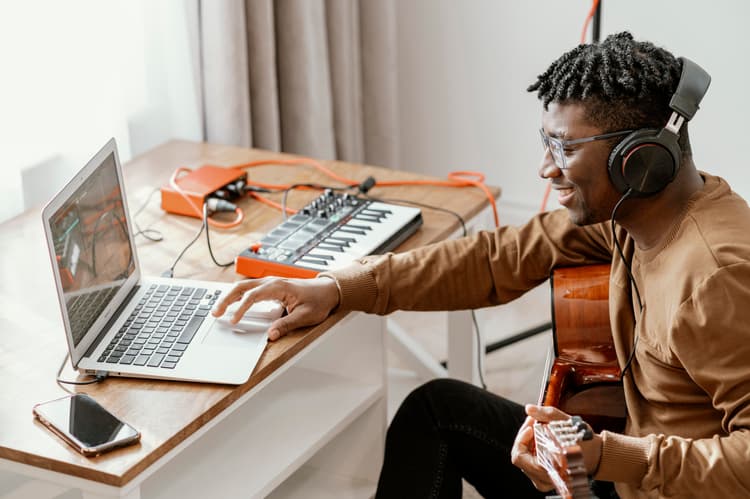
By 2026, artificial intelligence has firmly established itself as a core component of modern music creation. What began as experimental generative systems has evolved into full-scale creative environments used by composers, producers, and independent artists worldwide.
AI-powered platforms such as AIVA, Suno, Udio, and Google DeepMind’s MusicLM allow creators to generate melodies, harmonies, lyrics, and full productions using simple prompts.
AI Across the Music Composition Process
AI tools now influence nearly every stage of music composition. During the ideation phase, creators use text-to-music engines to generate chord progressions and melodic ideas. Tools like AIVA work directly with MIDI data, enabling composers to transform simple sketches into complex orchestral arrangements.
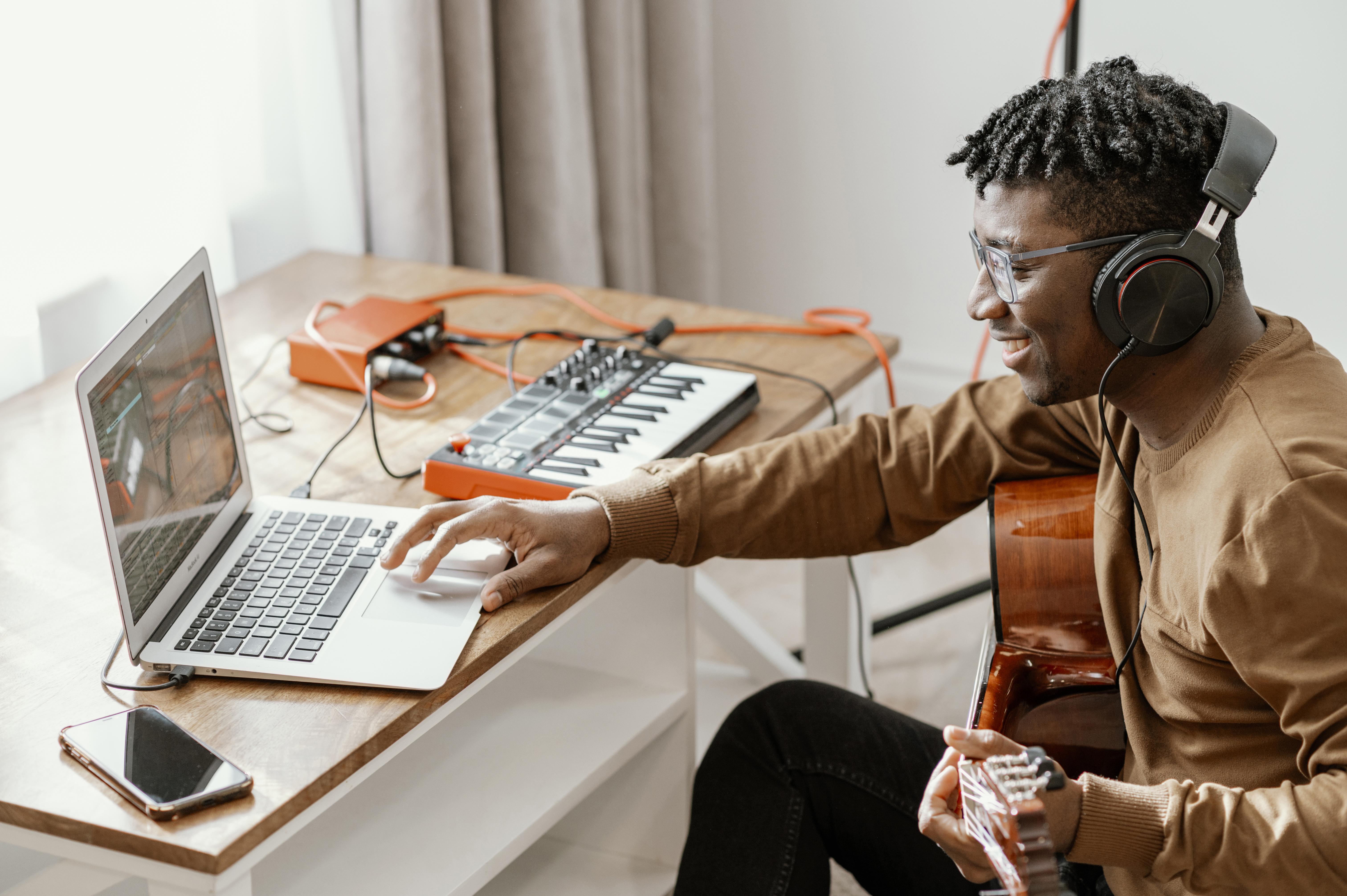
Platforms such as Suno and Udio function as AI-assisted digital audio workstations (DAWs), producing complete songs including vocals and lyrics from textual descriptions. These systems drastically reduce the time needed to move from concept to finished track.
Sound Design, Mixing, and Mastering
Beyond composition, AI is now deeply integrated into sound design and post-production. Services like iZotope and LANDR use machine learning to automate mixing and mastering processes.
AI-driven stem separation tools allow producers to isolate vocals, drums, and instruments, making remixing and sound manipulation easier than ever. This has expanded creative possibilities for both professionals and hobbyists.
Artists Actively Using AI Tools
Real-world adoption of AI music tools continues to grow. Independent artists and producers use AI to overcome technical barriers and accelerate their workflows. In several documented cases, AI-generated tracks have achieved mainstream success on streaming platforms and radio charts.
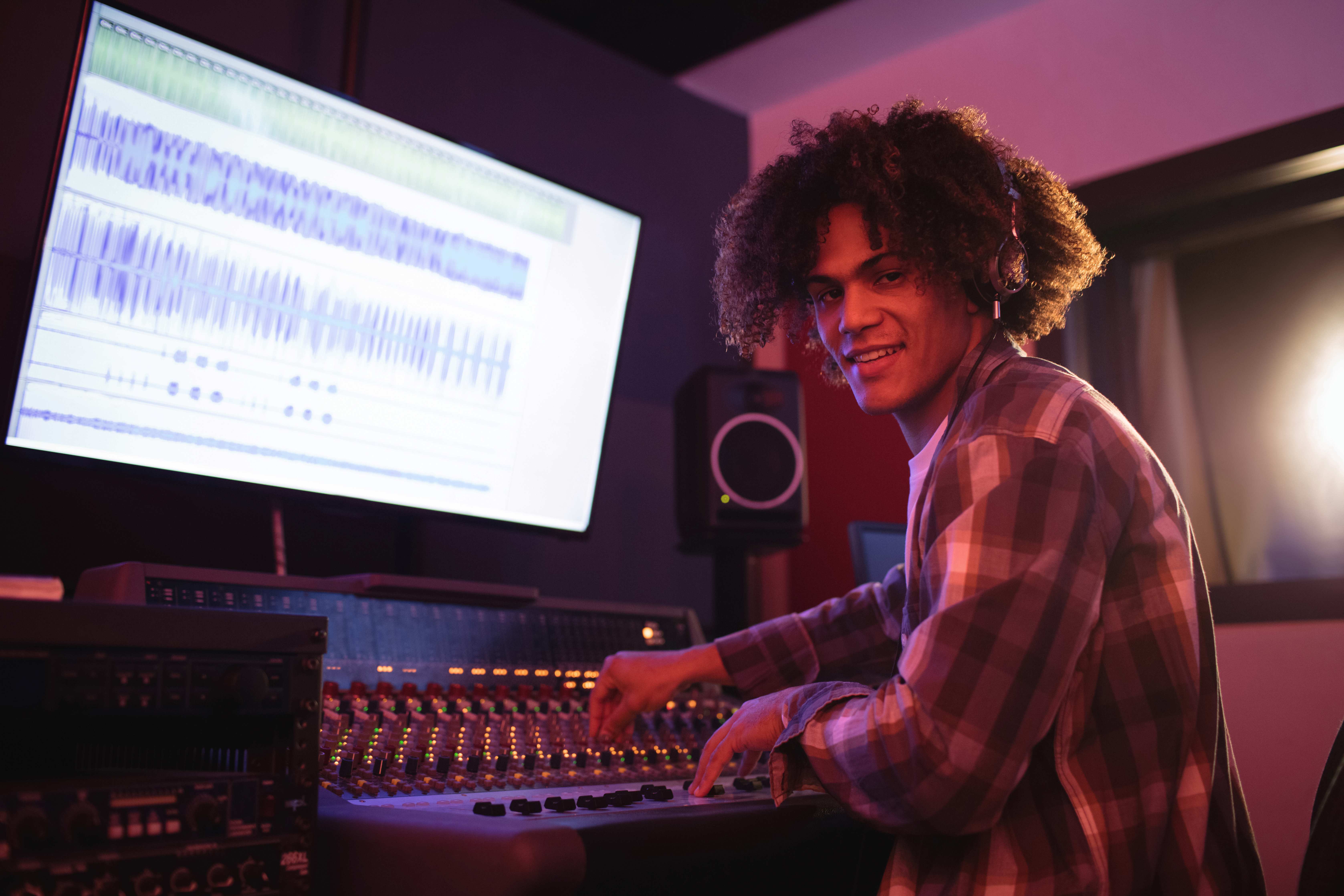
Major industry players are also embracing AI. In late 2025, Spotify announced partnerships with major record labels to develop artist-friendly AI tools that respect licensing and compensation structures.
Creativity, Authorship, and Ethical Considerations
While AI enhances productivity, it raises important questions about originality, copyright, and artistic ownership. Many platforms now emphasize “human-in-the-loop” workflows, where AI assists but does not fully replace creative decision-making.

According to industry surveys, a significant percentage of listeners struggle to distinguish AI-generated music from human-created tracks. This has intensified discussions around transparency, consent, and responsible AI training practices.
Key Trends in AI Music (2026)
- AI-generated music accounts for a growing percentage of new uploads on streaming platforms
- Hybrid human-AI workflows are becoming the industry standard
- Licensing agreements between AI companies and record labels are increasing
- AI is lowering entry barriers for new and independent artists
Frequently Asked Questions (FAQ)
Is AI replacing human musicians?
No! AI is primarily used as a creative assistant. Most successful music in 2026 relies on hybrid workflows where human creativity guides AI-generated ideas.
Can AI-generated music be copyrighted?
Copyright laws vary by region, but in many jurisdictions, music must include meaningful human authorship to qualify for copyright protection.
What are the most popular AI music tools in 2026?
Popular platforms include AIVA, Suno, Udio, Google MusicLM, and AI-powered plugins from companies like iZotope and LANDR.
Is AI-generated music ethical?
Ethical concerns depend on training data, artist consent, and transparency. Many modern tools now operate under licensed or opt-in data agreements to address these issues.
Conclusion
By 2026, AI has reshaped music composition into a faster, more accessible, and highly experimental process. Rather than replacing musicians, AI tools are redefining creativity and giving artists new ways to explore sound, emotion, and storytelling.