
A Complete Guide to Publishing, Selling, and Distributing Your Original Music Scores
Publishing original compositions as sheet music has never been more accessible. Decades ago, composers often needed a traditional music publisher to print, distribute, and market their scores. Today, independent composers can create professional sheet music, publish it globally, and earn royalties without signing away ownership of their work.
Whether you write piano solos, orchestral works, choral arrangements, film music, jazz charts, educational pieces, or contemporary instrumental music, there are now multiple pathways to publication. The challenge is no longer finding a way to publish—it is choosing the right publishing path and building an audience willing to buy your music.
Why Publish Your Original Compositions as Sheet Music?
Publishing sheet music provides several benefits beyond simple sales revenue.
A professionally published score:
- Creates a permanent record of your work
- Allows performers worldwide to play your music
- Establishes credibility as a composer
- Generates passive income through digital sales
- Opens opportunities for commissions and licensing
- Helps build a long-term music catalog
Many successful composers earn income from multiple sources including performances, commissions, streaming royalties, and sheet music sales. For educational, choral, and instrumental composers, sheet music often becomes one of the most reliable revenue streams.
References:
Understanding Copyright Before Publishing
Before publishing anything, you must understand ownership.
An original composition is music that you created yourself and for which you own the publishing rights. If the music is entirely your work, you automatically hold copyright in most jurisdictions from the moment the work is fixed in a tangible form.
Professional composers typically go further by:
- Registering copyright where applicable
- Keeping dated project files
- Maintaining manuscript records
- Registering with a performing rights organization
- Maintaining metadata for ownership records
Copyright protection is the foundation of successful sheet music publishing.
Helpful Resources
Preparing Your Composition for Publication
Many composers mistakenly believe finishing the music is the final step. In reality, publication begins after the composition is complete.
Your score should include:
- Accurate notation
- Proper dynamics
- Articulations
- Tempo markings
- Optimized page turns
- Performance notes
- Copyright notice
- Composer biography
Publishers and buyers expect a polished product.
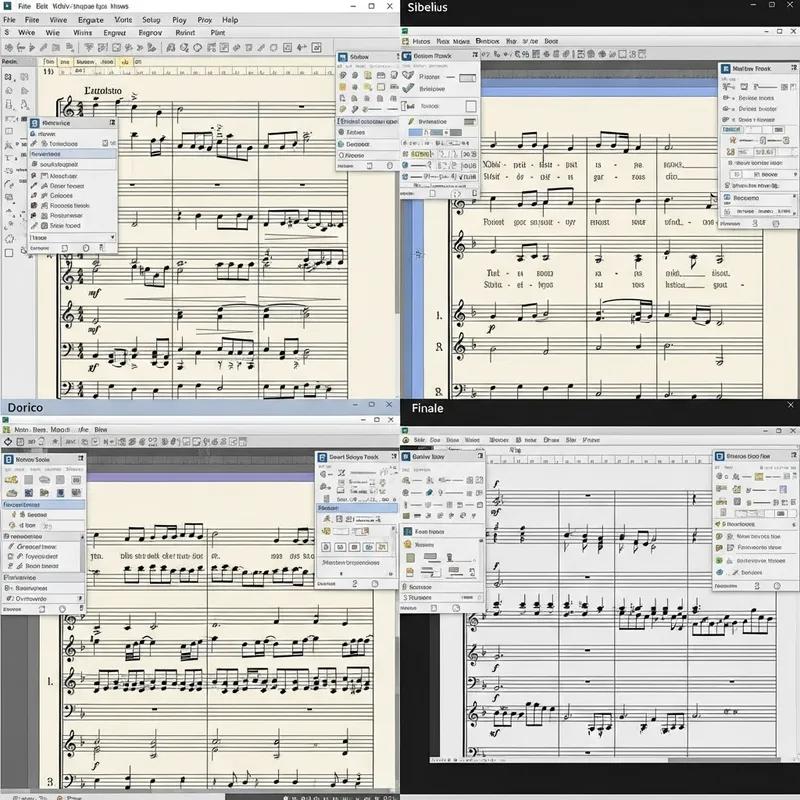
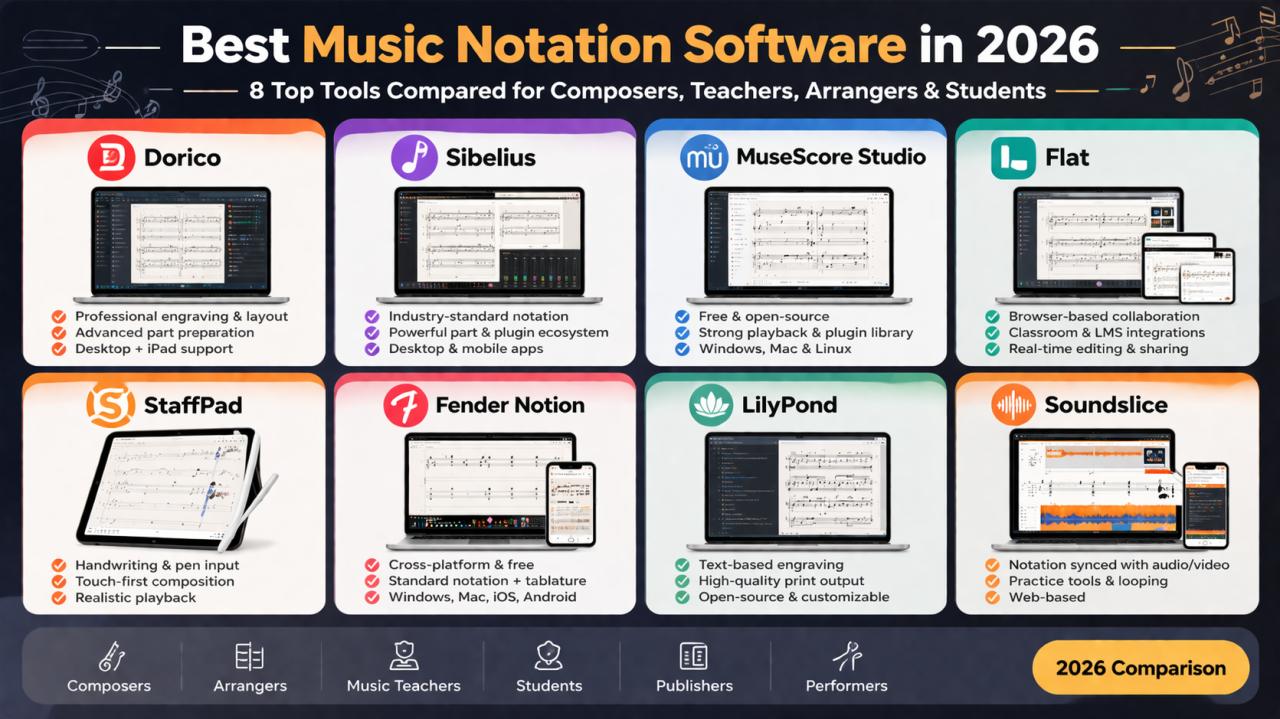
Scores created in notation software such as:
are generally preferred because they produce professional engraving quality.
Real-World Example
Many independent piano composers release scores in PDF format alongside recordings on YouTube. Buyers often discover the music through the video and purchase the sheet music afterward.
Traditional Music Publishing
The classic route involves submitting compositions to established music publishers.
Publishers may provide:
- Editing
- Engraving
- Printing
- Distribution
- Marketing
- Industry relationships
The downside is selectivity. Publishers receive thousands of submissions annually and only accept a small percentage.
Traditional publishing works best for concert composers, choral composers, educational composers, and band or orchestra writers.
What Publishers Look For
- Musical quality
- Market demand
- Educational value
- Performance practicality
- Existing audience
A score with strong performance potential is more attractive than a composition with little identifiable market.
Real-World Example
A composer writing educational band music may submit works to companies specializing in school ensembles. Acceptance often leads to distribution through music dealer networks and educational catalogs.
Reference: Reddit Composer Community
Self-Publishing: The Most Popular Modern Path
Today, self-publishing has become the dominant route for independent composers.
Instead of waiting for publisher approval, composers can upload scores directly to online marketplaces.
- Full creative control
- Faster publication
- Higher royalty percentages
- Global distribution
- Ownership retention
The tradeoff is that marketing becomes your responsibility.
Reference: ArrangeMe Self-Publishing Overview
Publishing Through ArrangeMe
One of the most popular self-publishing options is ArrangeMe.
Benefits include:
- No publishing fees
- Worldwide distribution
- Royalty payments
- PDF sales
- Interactive notation options
Published works may appear on:
Publishing Through Musicnotes Marketplace
Another growing option is Musicnotes Marketplace.
Musicnotes allows composers to upload original compositions and sell them through its marketplace system. Creators can add descriptions, scoring details, and YouTube demonstrations.
Musicnotes is one of the world's largest digital sheet music retailers, offering access to a substantial customer base.
Selling Directly From Your Own Website
Many experienced composers eventually build independent sales channels.
- Keeping more revenue
- Direct customer relationships
- Email list ownership
- Brand control
Popular platforms include:
Building an Audience Before Publishing
Publishing alone rarely generates sales. Successful composers usually build an audience first.
YouTube
YouTube is ideal for score videos, tutorials, and performance recordings.
Facebook remains useful for music communities, choir groups, and educators.
Instagram works well for visual score excerpts and rehearsal clips.
These communities often provide valuable feedback and visibility.
What Successful Sheet Music Buyers Want
- Clean notation
- Immediate download access
- Accurate formatting
- Audio previews
- Multiple instrument options
- Clear difficulty ratings
A buyer is far more likely to purchase when they can hear the composition before purchasing.
Creating Professional Product Listings
Every published composition should include:
- Compelling title
- Detailed description
- Composer biography
- Instrumentation
- Difficulty level
- Duration
- Audio preview
- Score preview
Think of every listing as a miniature sales page.
Marketing Strategies That Actually Work



SEO Blogging
Write articles related to piano repertoire, composition techniques, performance advice, and educational resources.
Email Marketing
Build a mailing list of teachers, choir directors, conductors, and performers.
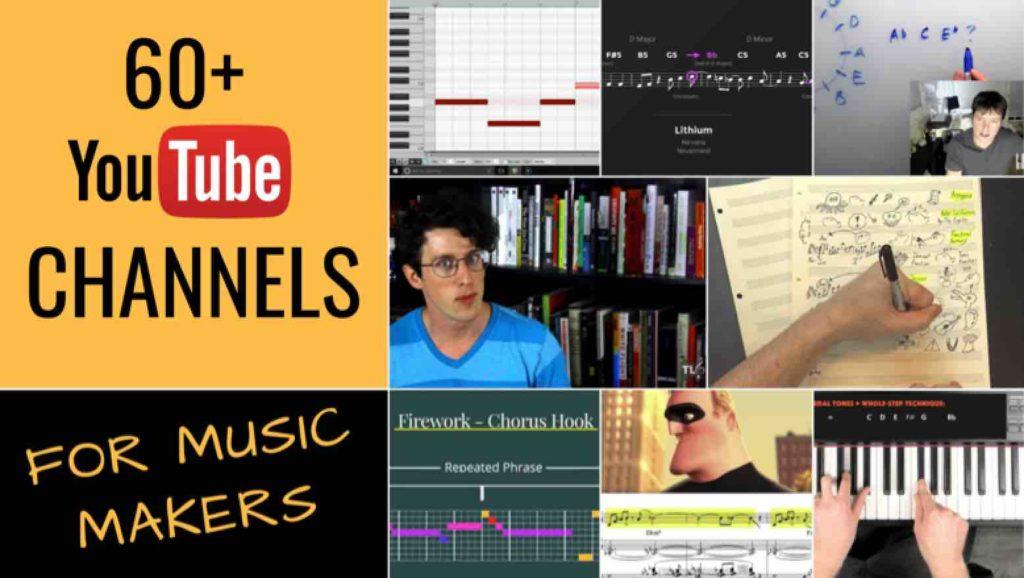
Video Demonstrations
Show performers exactly how the piece sounds.
Educational Content
Many composers gain visibility by teaching music theory, orchestration, or composition online.
Common Mistakes New Composers Make
Publishing Too Early
Early works often benefit from revision and peer feedback.
Ignoring Engraving Quality
Poor notation discourages purchases.
No Audio Preview
Many customers want to hear the piece first.
Depending on One Platform
Diversification improves long-term income.
Neglecting Marketing
Even excellent compositions need visibility.
A Practical Publishing Path for New Composers
- Create original compositions.
- Prepare professional notation.
- Register copyrights and maintain records.
- Record quality audio previews.
- Publish through marketplaces.
- Create YouTube demonstrations.
- Promote through social media.
- Build an email list.
- Launch a personal website.
- Expand your catalog over time.
Frequently Asked Questions
Do I need a publisher to sell my original sheet music?
No. Modern self-publishing platforms such as ArrangeMe and Musicnotes allow composers to publish and sell their own sheet music worldwide.
How do I protect my composition before publishing?
Maintain proof of authorship, save dated files, register copyright where applicable, and keep detailed records of your work.
What is the best platform for first-time sheet music publishers?
ArrangeMe, Musicnotes Marketplace, and direct sales through a personal website are among the most popular options for new composers.
Can I earn passive income from sheet music sales?
Yes. Many composers earn recurring income from digital sheet music downloads, especially when they build a large catalog of works.
Do I need professional recordings?
Professional recordings help, but high-quality demos are often sufficient when starting out.
How important is YouTube for selling sheet music?
YouTube is one of the most effective promotional tools because listeners can hear your composition before purchasing the score.
Final Thoughts
Getting original compositions published as sheet music is no longer restricted to composers with publishing contracts. Modern self-publishing platforms, digital marketplaces, social media, and video-sharing platforms have created unprecedented opportunities for independent creators.
The most successful composers treat publishing as both a creative and business process. They create professional scores, protect their rights, distribute strategically, and actively market their work.