
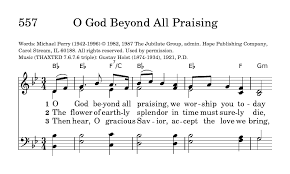
The hymn "O God Beyond All Praising" features lyrics written in 1982 by Michael Perry (1942–1996), an Anglican priest and prominent British hymnodist. Perry crafted the text as a Christian alternative to the earlier patriotic lyrics paired with the same melody.
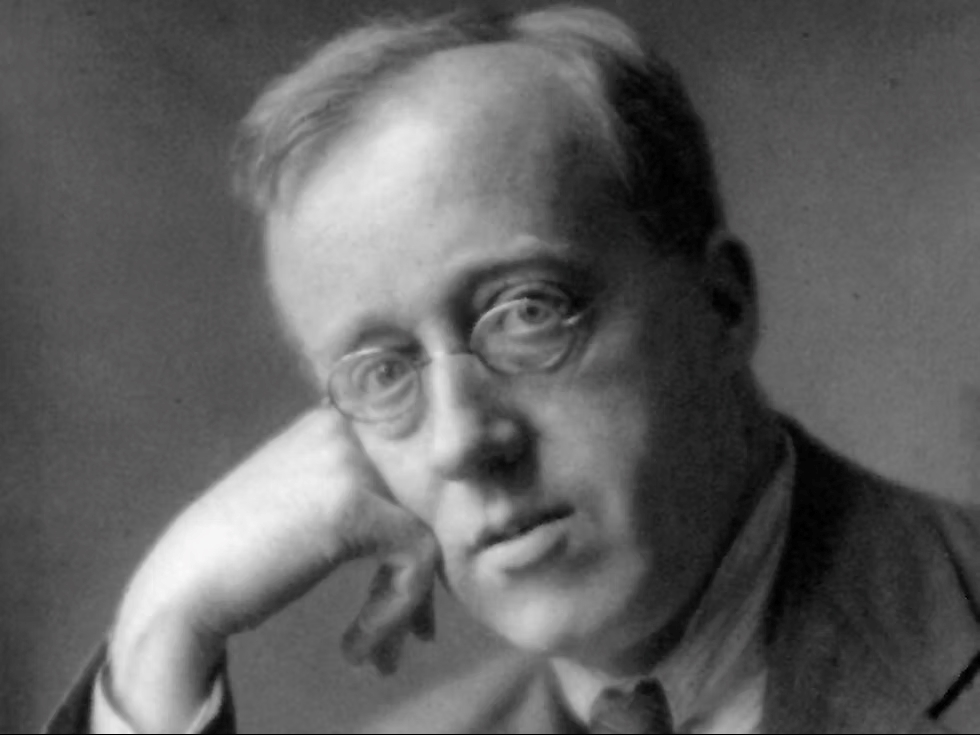
The music, however, comes from Gustav Holst’s orchestral suite The Planets (1914–1916), specifically the majestic central theme from “Jupiter, Bringer of Jollity.” Holst named the tune THAXTED after his Essex village. Perry adapted lyrics to Holst’s existing theme—he did not compose the music.
Michael Perry’s direct influence on film music or composers like Hans Zimmer is negligible. His legacy is in modern hymn writing and worship. The real cinematic influence flows directly from Holst’s original score in The Planets.
1. Background: Holst’s The Planets and the Jupiter Theme
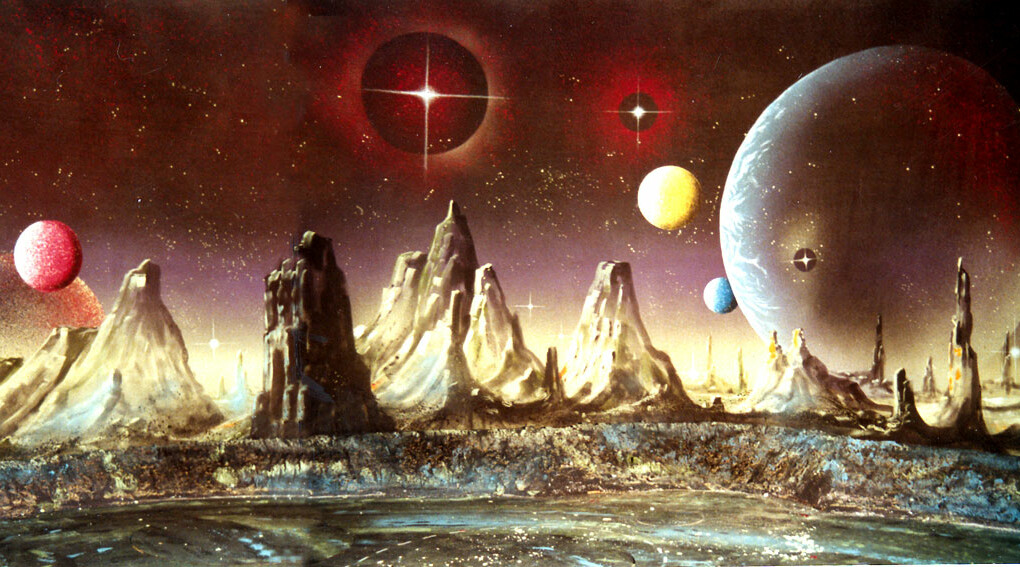
Holst’s “Jupiter, Bringer of Jollity” features a broad, noble, hymn-like melody with triumphant brass and sweeping strings, evoking grandeur and celebration.
Real-world example: The tune was adapted in 1921 for “I Vow to Thee, My Country” and later Perry’s Christian lyrics. It appears in events like royal weddings, funerals, church services, and even the children’s show Bluey.
References and backlinks
2. Holst’s Broader Impact on Film Music
Holst pioneered massive orchestral textures—brass, percussion, and emotional contrasts—that became templates for sci-fi, epics, and space dramas. Film composers adopted this “blockbuster” sound.
References and backlinks
3. Specific Influence on Hans Zimmer and Comparable Composers
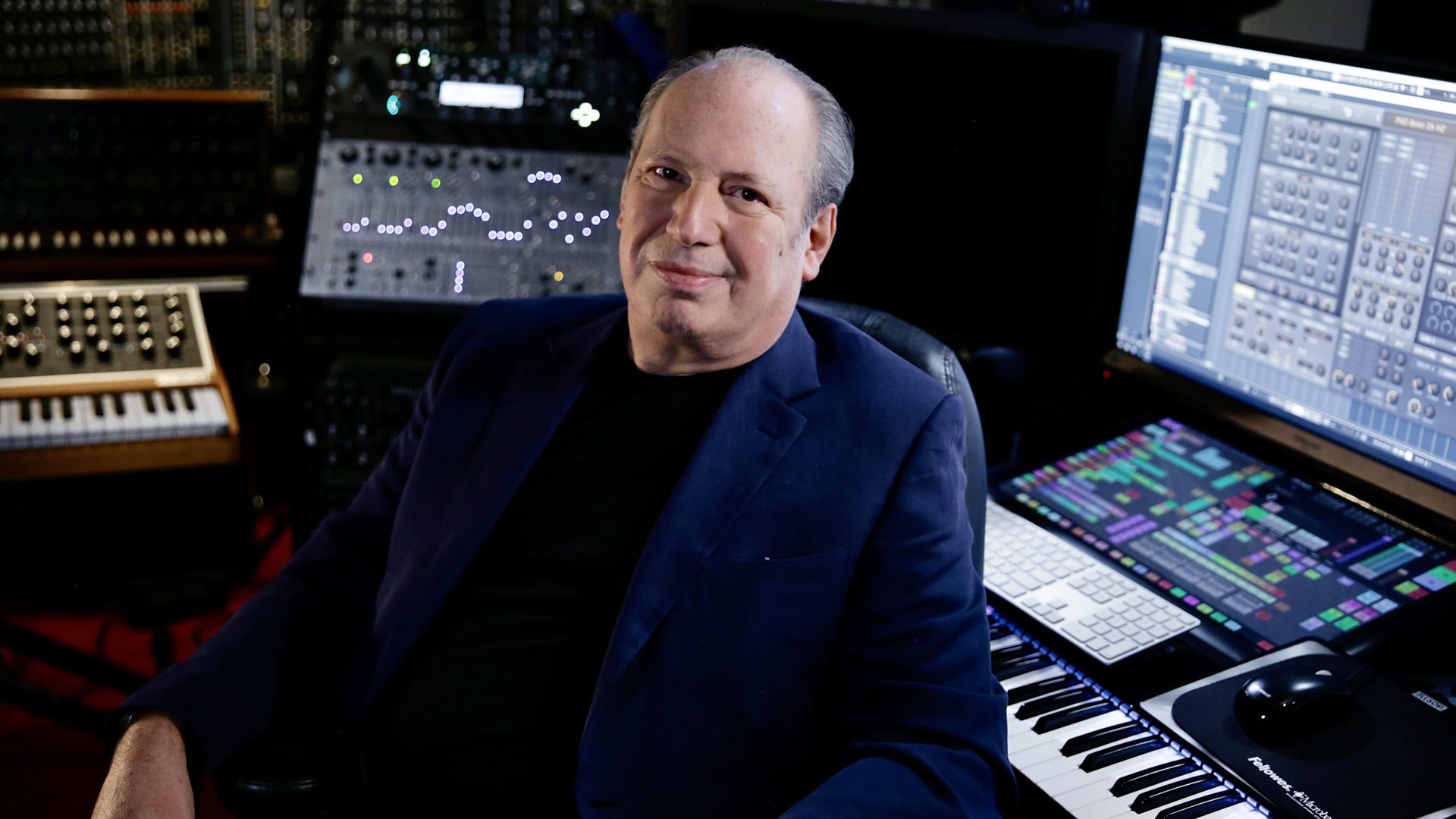
Hans Zimmer echoed Holst’s Mars (aggressive rhythms) more directly, but the suite’s epic vocabulary shaped his style.
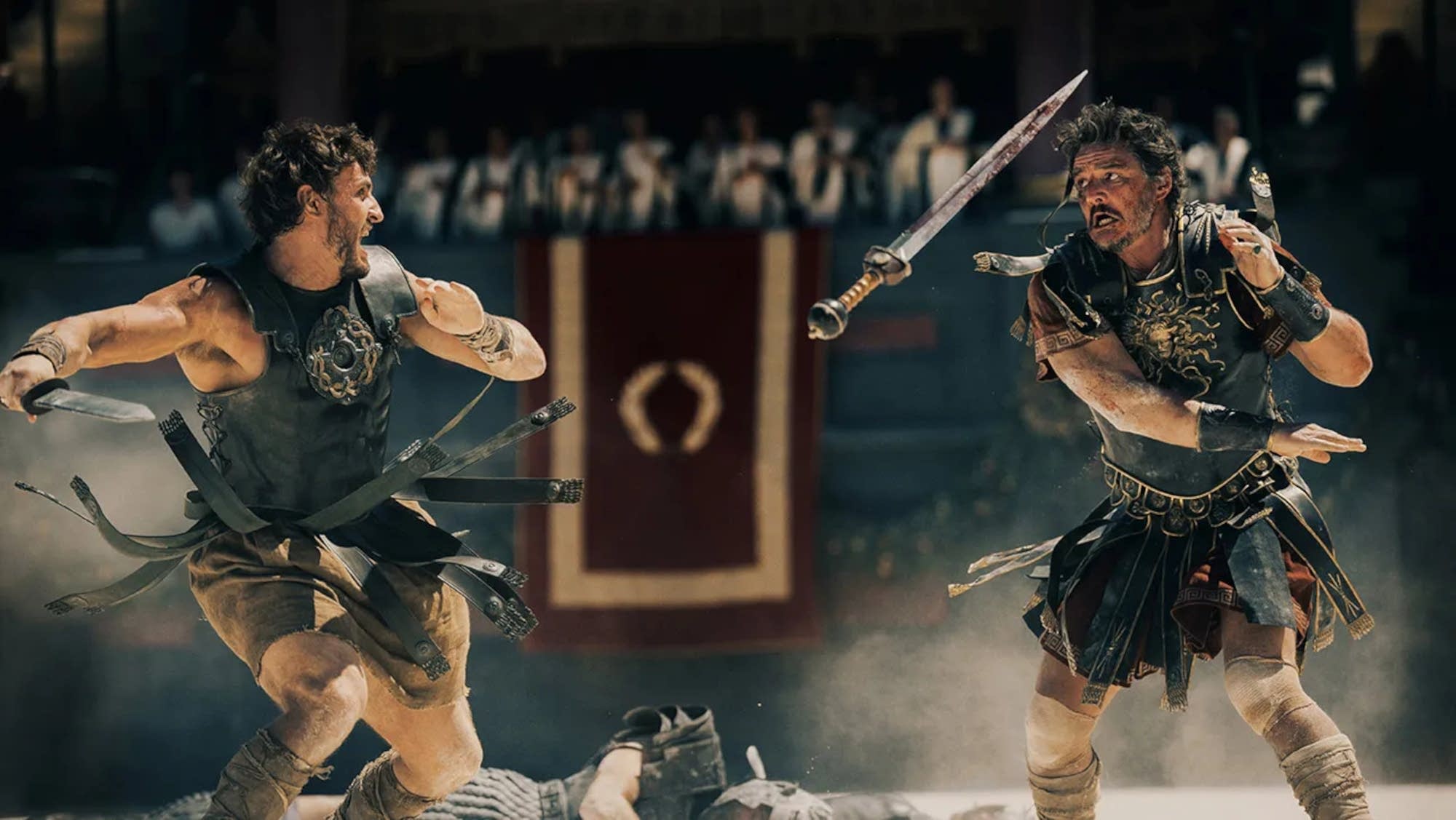
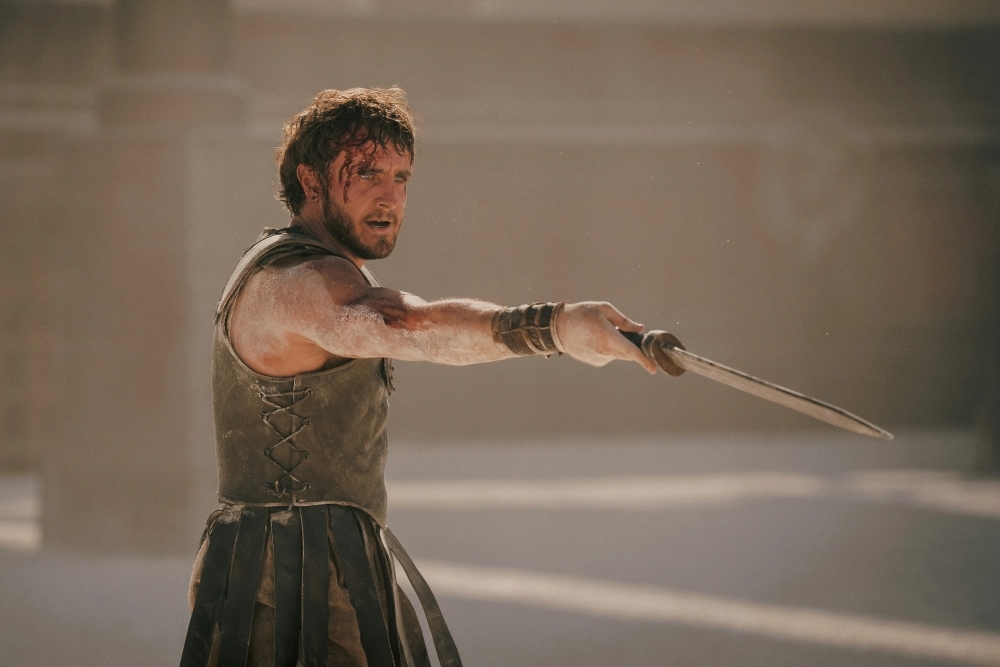
Gladiator (2000): Zimmer’s battle cues mirror Holst’s militaristic drive. The Holst Foundation sued for infringement; the case settled privately. Jupiter’s triumphant brass elevates heroic moments.
Other composers:
- John Williams (Star Wars): Mars inspired “The Imperial March.” Jupiter’s grandeur echoes in celebratory cues.
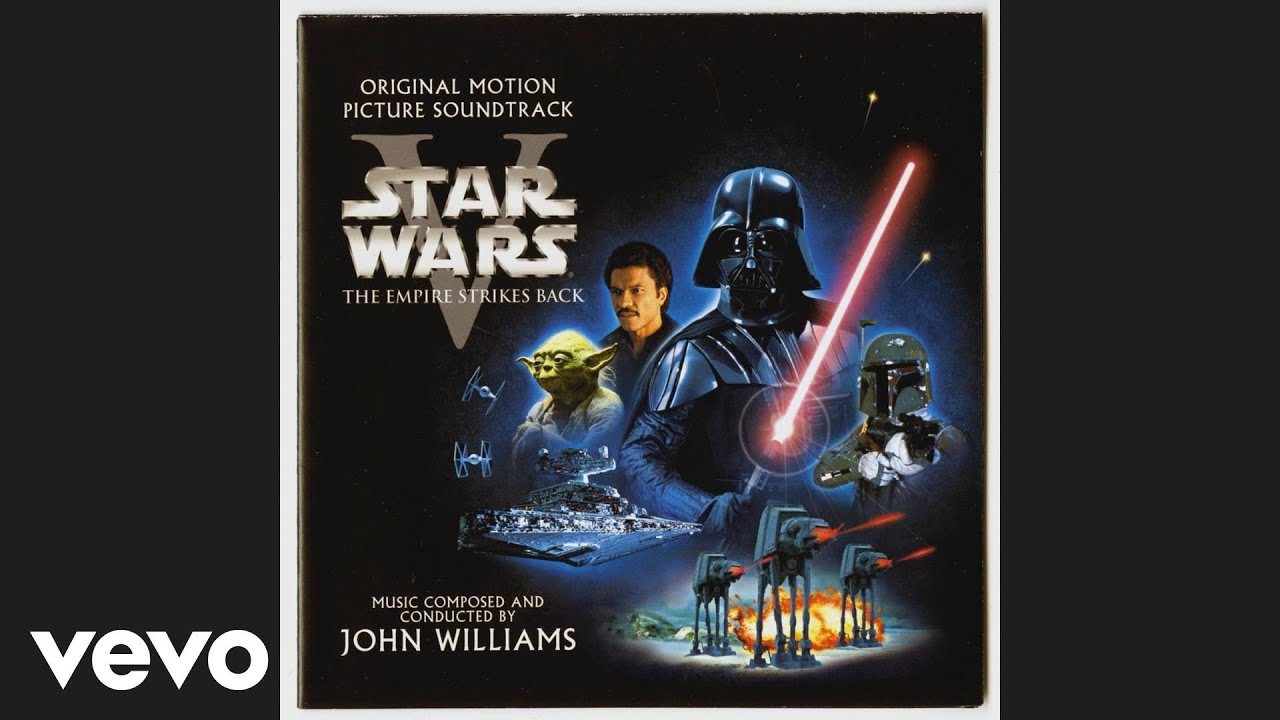
Real-world example: Side-by-side comparisons of Gladiator battles vs. Holst’s Mars, or Star Wars Imperial March vs. Holst excerpts, show the direct lineage.
References and backlinks
4. Real-World Examples in Other Films, TV, and Media
- The Right Stuff: Jupiter’s optimism for rocket launches.
- Modern trailers and games sample Jupiter’s fanfares for epic reveals.
- The hymn appears in The Crown and Bluey.
5. Why the Influence Endures
Holst’s Jupiter offers ready-made “triumph” music—perfect for film climaxes. Perry’s lyrics made the melody more accessible in worship, but Holst’s orchestration gave composers the cinematic toolkit still used today.
Further reading / backlinks
In Summary
Michael Perry enriched the Jupiter theme with Christian words for worship, but Gustav Holst’s visionary score in The Planets profoundly shaped film music and composers like Hans Zimmer. A century-old orchestral piece remains a Hollywood cornerstone.
Frequently Asked Questions (FAQ)
Who wrote the lyrics for “O God Beyond All Praising”?
Michael Perry, an Anglican priest, wrote the lyrics in 1982 as a Christian alternative to the earlier patriotic version of the same tune.
Who actually composed the music (the Jupiter/Thaxted tune)?
Gustav Holst composed the music in 1914–1916 as the central theme of “Jupiter, Bringer of Jollity” in his orchestral suite The Planets. Perry only wrote new words.
Did Michael Perry influence film composers like Hans Zimmer?
No. Perry’s influence is limited to modern Christian hymnody and worship music. The cinematic influence comes entirely from Holst’s original orchestral score.
How exactly did Holst influence Hans Zimmer’s score for Gladiator?
Zimmer drew heavily from Holst’s Mars, the Bringer of War for the battle scenes’ aggressive 5/4 rhythms and brass. The Holst Foundation sued Zimmer; the case was settled privately. Jupiter’s triumphant brass also appears in heroic moments.
Which other famous film scores were inspired by Holst’s The Planets?
John Williams’ Star Wars (especially the Imperial March from Mars), Bill Conti’s The Right Stuff (Jupiter’s optimism), and countless modern trailers and video games that sample the suite’s epic brass fanfares.
Why does a 110-year-old classical piece still sound like modern film music?
Holst pioneered the massive orchestral “blockbuster” sound—huge brass, driving percussion, and emotional contrasts—that became the standard language of Hollywood epic scoring.