

The digital sheet music industry has grown significantly as musicians, teachers, and hobbyists seek convenient PDF downloads they can print at home or use on tablets. Launching your own online sheet music store can be a rewarding business for composers, arrangers, and music educators. With low production costs and the ability to sell globally 24/7, many independent creators have built successful e-commerce businesses around sheet music.
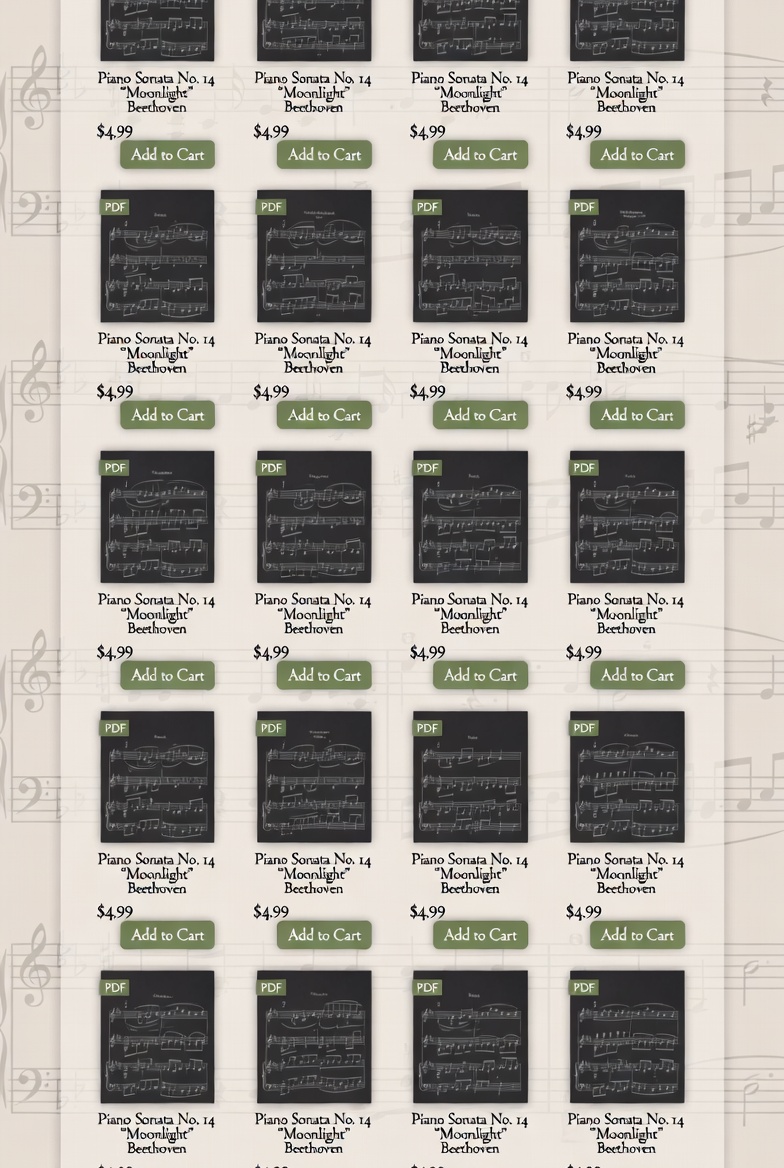
Visual example of what a professional sheet music e-commerce store can look like – clean, focused on product previews and easy purchasing.
This comprehensive article walks you through every essential step to launch your sheet music store, drawing insights from Reddit communities (r/composer, r/ecommerce), real musician success stories, and platform guides from ArrangeMe, Bandzoogle, Sellfy, and more.
Conduct Market Research and Choose Your Niche
Before building anything, validate demand and select a profitable niche. Popular categories include solo piano arrangements, easy piano pop songs, hymns and worship music, choral scores, jazz standards, and instrument-specific educational materials (violin, guitar, flute, etc.). Use tools like Google Trends, Etsy search, and Sheet Music Plus bestsellers to identify gaps.
Reddit users frequently mention strong demand for transposed versions, simplified arrangements for beginners/intermediates, and themed collections (Christmas, weddings, film scores).
References and backlinks:
- Discussions in r/composer emphasize niching down early for better conversion rates.
Real-world example: Jason Tonioli built a seven-figure business by specializing almost exclusively in piano hymn arrangements and related books.
Understand Legal and Copyright Requirements
Copyright compliance is critical. You cannot sell arrangements of copyrighted songs without proper licensing. Stick to public domain music (works published before 1929 in the US) for your own original arrangements, or use licensed platforms that handle royalties.
Register your business as an LLC if possible, and ensure compliance with data protection laws like GDPR for international customers.
References and backlinks:
- Copyright guides strongly advise against relying on "fair use" for commercial sales of arrangements.
Real-world example: Many Reddit composers recommend ArrangeMe for legally distributing arrangements of modern songs, as it manages licensing and pays royalties (typically 10% commission to the arranger).
Create or Source Your Sheet Music Products
Use professional notation software such as MuseScore (free), Finale, or Sibelius to create high-quality, printable PDFs. Offer multiple transpositions, difficulty levels, and bundles. Always include audio previews (MP3) and the first page as a sample. Add subtle watermarks for security.
For physical copies, consider print-on-demand services like Amazon KDP or Lulu.
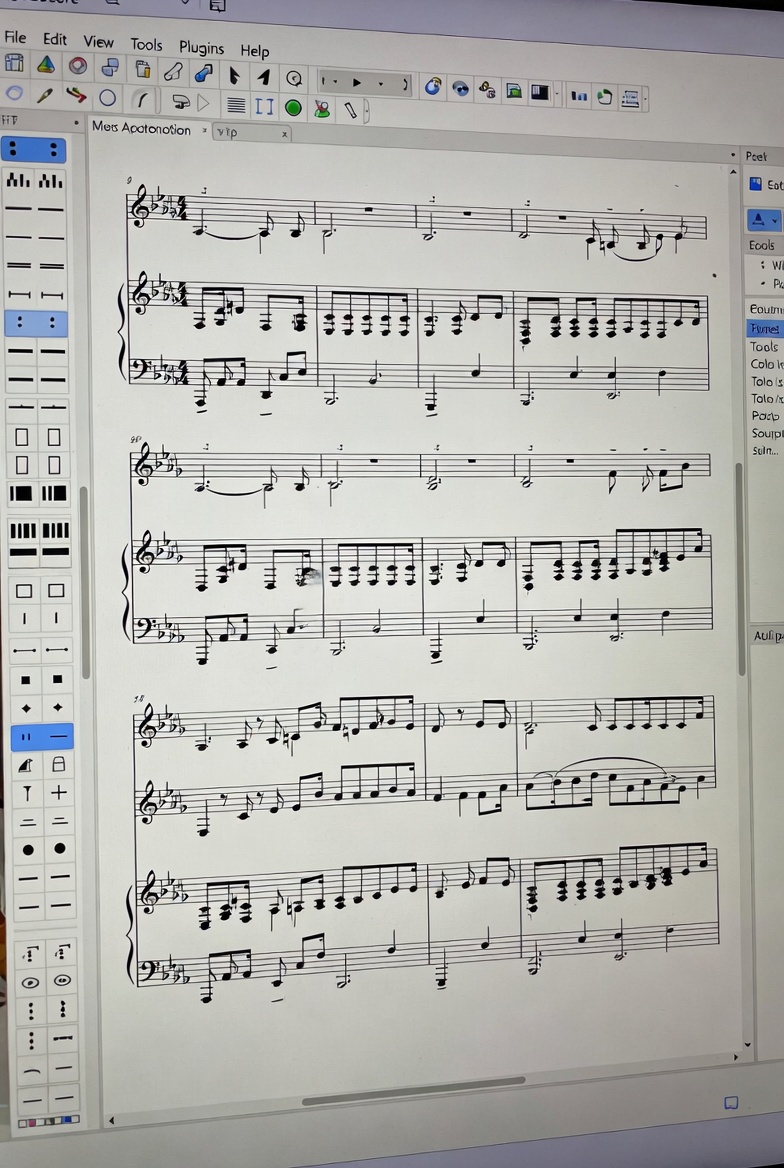
MuseScore – the popular free tool used by thousands of independent composers to create and export professional sheet music PDFs.
References and backlinks:
- Reddit advice often includes watermarking PDFs and offering bundled audio tracks.
Real-world example: Successful harp arrangers and piano composers regularly upload their work to both personal sites (for public domain) and ArrangeMe (for copyrighted pieces), driving traffic from their YouTube performances.
Choose Your Sales Platform(s)
Several platforms cater specifically to digital sheet music:
- Marketplaces: ArrangeMe, Sheet Music Direct, Musicnotes, Score Exchange – great for built-in traffic.
- Digital-first stores: Gumroad and Sellfy – simple setup with automatic PDF delivery.
- Full e-commerce: Shopify, Squarespace, or Bandzoogle (designed for musicians with audio embedding and download protection).
Many creators use a hybrid approach: their own website for higher margins plus marketplaces for visibility.
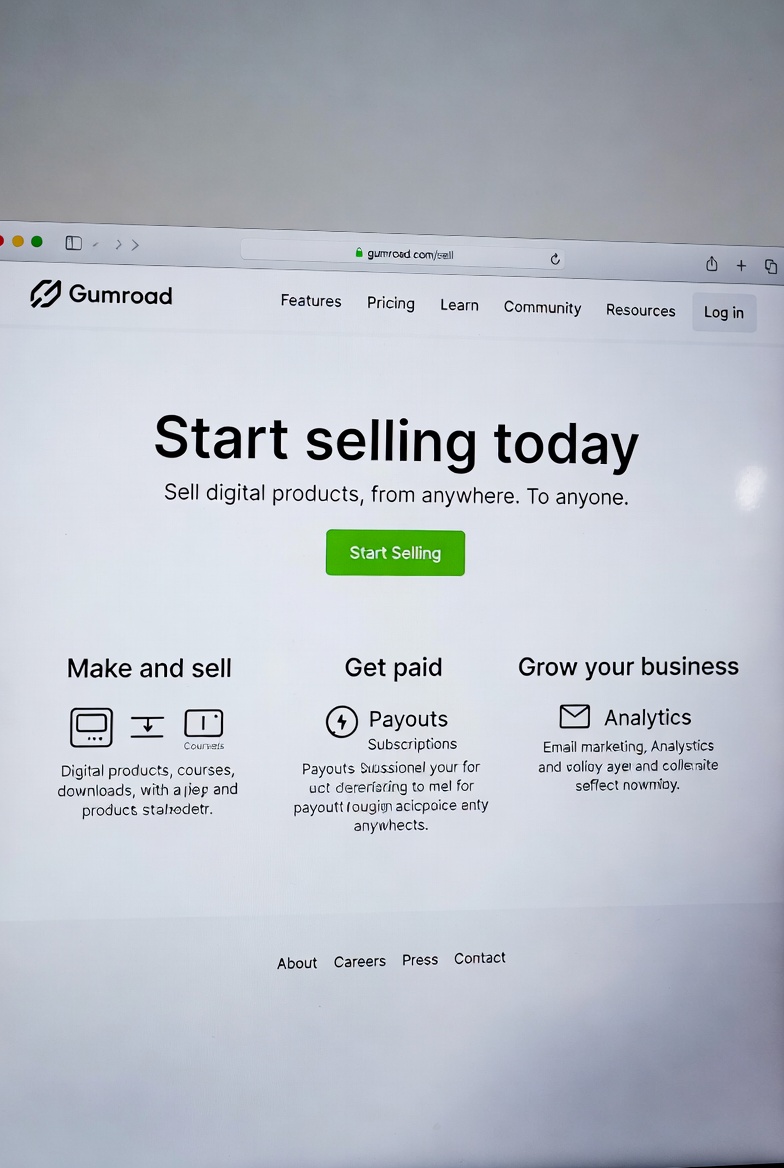
Gumroad – one of the easiest platforms for beginners to start selling digital sheet music with instant delivery.
References and backlinks:
- Bandzoogle and Sellfy are frequently praised in musician communities for their musician-friendly features.
Real-world example: Danny Rayel successfully sells his cinematic piano sheet music bundles directly through a Sellfy storefront.
Set Up Your Online Store
Once you choose a platform, customize your store with a professional theme. Upload products with compelling titles, detailed descriptions, notation previews, and pricing. Set up payment gateways (Stripe or PayPal) and ensure automatic digital delivery works smoothly. Test the entire purchase process.
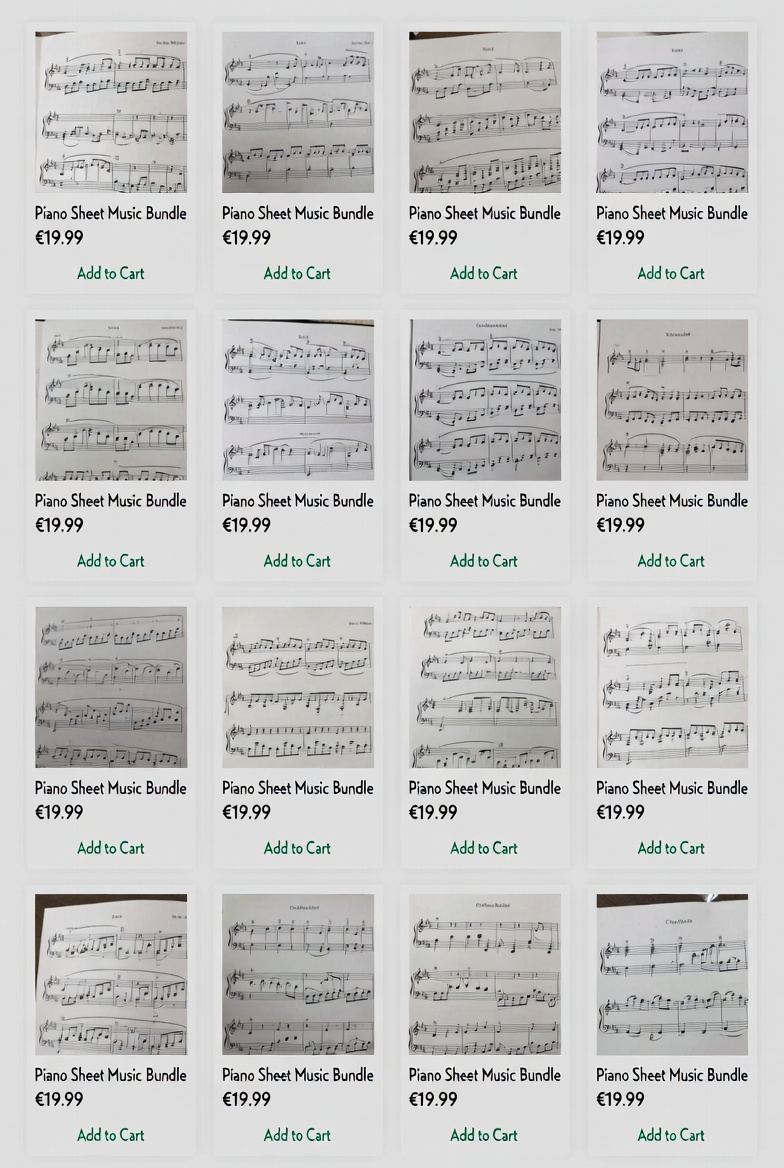
Real example of a Sellfy sheet music store showing product cards with embedded sheet music previews.
References and backlinks:
- Sellfy allows setting up a functional store in under 10 minutes with automated delivery.
Real-world example: Jewish music retailer Mostly Music migrated to Shopify for smooth handling of both digital PDFs and physical products.
Price, Optimize Products, and Prepare for Launch
Price single sheets between $3.99 and $9.99, with bundles and collections priced higher. Optimize descriptions with keywords like “easy piano arrangement,” “intermediate violin solo,” etc. Implement anti-piracy measures such as watermarks or password-protected downloads.
References and backlinks:
- Many successful sellers use order bumps (e.g., adding a backing track or CD) to increase average order value.
Real-world example: Jason Tonioli reports that 20–30% of customers add order bumps during checkout.
Market and Drive Traffic to Your Store
Effective marketing includes SEO, creating a free lead magnet (e.g., one free easy piano piece), YouTube performances with links in descriptions, social media, email marketing, and targeted ads on Facebook/Google. Build an email list from day one.
References and backlinks:
- YouTubers commonly drive traffic by linking performances directly to their stores.
Real-world example: Jason Tonioli scaled using free+shipping book funnels, heavy Google and Facebook advertising, and nurturing a large email list.
Handle Operations, Fulfillment, and Customer Service
Digital products allow near-automatic fulfillment. Monitor analytics to identify top sellers, respond promptly to customer inquiries, and offer a clear refund policy for digital goods (usually limited due to instant delivery).
References and backlinks:
- Platforms like Bandzoogle and Sellfy handle automated downloads reliably.
Real-world example: Tonioli eventually hired a small virtual assistant team to manage fulfillment while he focused on creating new music and marketing.
Scale, Analyze, and Iterate
Once profitable, expand your catalog, introduce subscription models (monthly new arrangements), or add print-on-demand options. Reinvest profits into advertising and continuously analyze sales data to refine your offerings.
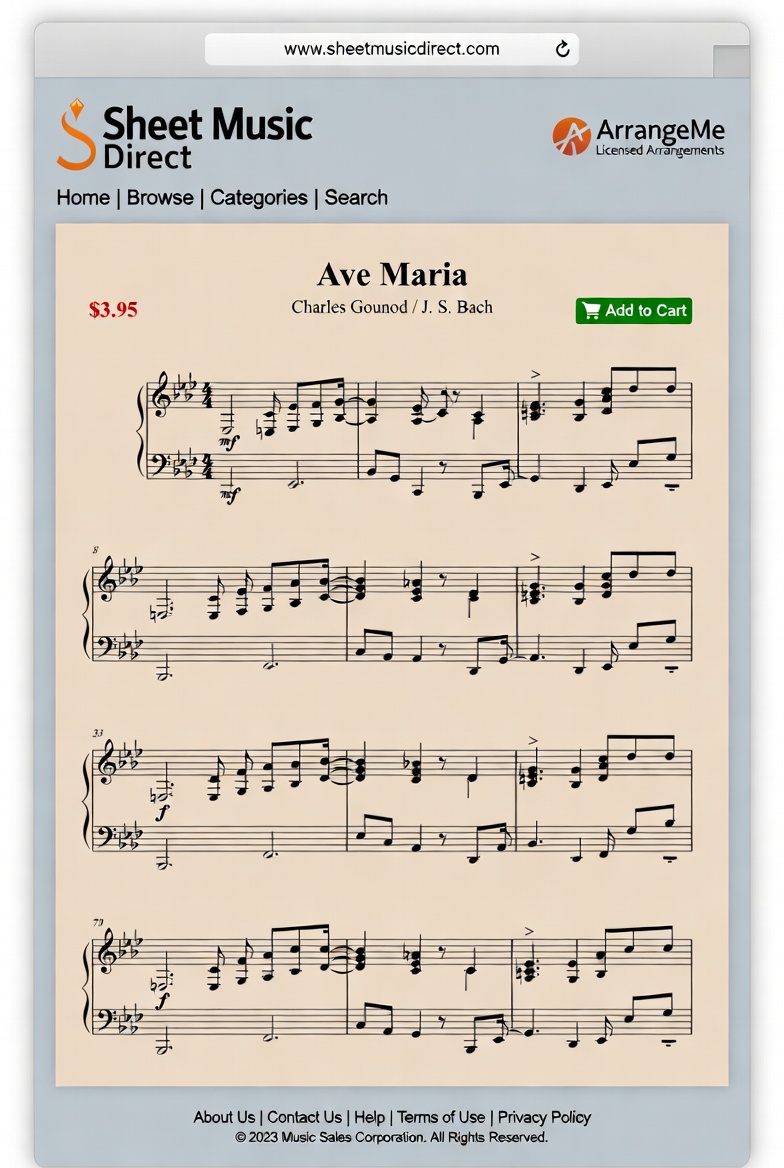
Example of how licensed sheet music appears on major marketplaces like Sheet Music Direct via the ArrangeMe platform.
Real-world example: During peak demand periods, Tonioli’s business shipped over 28,000 packages in a single year while maintaining strong digital sales.
Final Tips and Potential Challenges
Start small and legal. Focus on quality notation, excellent customer experience, and consistent marketing. Common challenges include music piracy (mitigate with protections) and standing out in a competitive market. Building an audience through performances and content creation significantly improves success rates.
Frequently Asked Questions (FAQ)
Do I need to know how to code to start a sheet music store?
No. Platforms like Gumroad, Sellfy, and Bandzoogle require no coding skills.
Can I sell arrangements of popular songs?
Only through licensed platforms like ArrangeMe. Selling unauthorized arrangements of copyrighted music is illegal.
How much can I earn selling sheet music online?
Earnings vary widely. Many creators make side income ($500–$3,000/month), while successful niche stores like Jason Tonioli’s have reached seven figures.
Q: What is the best platform for beginners?
A: Gumroad or Sellfy are the easiest for quick launch. For more control, Bandzoogle or Shopify are excellent choices.
Q: How do I protect my sheet music from piracy?
A: Use watermarks, low-resolution previews, and password-protected downloads. Some platforms offer built-in protection.
Key Resources
- ArrangeMe – Best for legal distribution of arrangements.
- Bandzoogle Guide: How to Sell Sheet Music
- Reddit communities: r/composer and r/ecommerce for ongoing advice.
With dedication to creating valuable music, staying compliant with copyright, and smart online marketing, you can successfully launch and grow your own online sheet music store.