
In the vast world of classical music, certain instruments like the piano, violin, and cello dominate the solo repertoire, boasting thousands of concertos, sonatas, and unaccompanied pieces from composers across centuries. However, many other instruments—often due to historical, technical, or cultural factors—have far fewer dedicated solo works. These "underrepresented" instruments might shine in orchestral or ensemble settings but rarely take center stage alone. This can stem from their invention timing (e.g., post-Baroque era when solo forms were less emphasized), acoustic limitations (e.g., softer or less versatile timbres), or simply composer preferences favoring more "expressive" instruments.
Drawing from discussions on Reddit (particularly in subreddits like r/classicalmusic) and broader online sources, this article examines instruments with notably sparse solo literature. We'll explore why their repertoires are limited, provide real-world examples of existing works, and highlight how modern composers are occasionally expanding them. References to sources are included inline, with backlinks for further reading.
Why Do Some Instruments Have Little Solo Repertoire?
Several factors contribute to an instrument's limited solo output:
- Historical Context: Many wind, brass, and percussion instruments gained prominence in orchestras during the Romantic era, but composers like Beethoven or Brahms prioritized strings and piano for solos due to their polyphonic capabilities (ability to play multiple notes simultaneously).
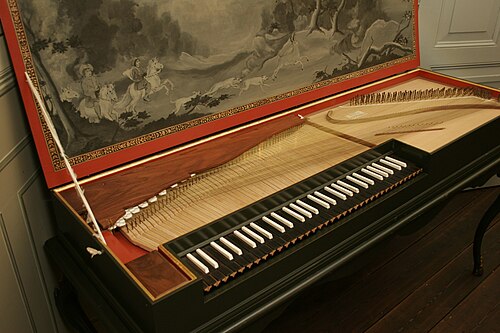
- Technical Challenges: Instruments with limited range, sustain, or projection (e.g., quieter ones like the clavichord) struggle in large venues without amplification, making them less appealing for concertos.
- Popularity and Patronage: Virtuosos on violin or piano drove demand for new works, while lesser-known instruments lacked star performers to inspire compositions.
- Cultural Shifts: In jazz or folk genres, some instruments thrive solo (e.g., double bass in jazz), but classical traditions overlook them.
As noted in Reddit discussions, orchestral instruments beyond violin and cello often have "overlooked" repertoires despite quality works existing. These threads emphasize how rarity in performance perpetuates the cycle—fewer solos mean fewer opportunities for exposure.
Key Instruments with Limited Solo Works
Here’s a curated list of instruments commonly cited for their sparse solo literature, based on Reddit posts and music forums. I've focused on classical contexts, where "solo works" typically mean unaccompanied pieces, sonatas, or concertos.
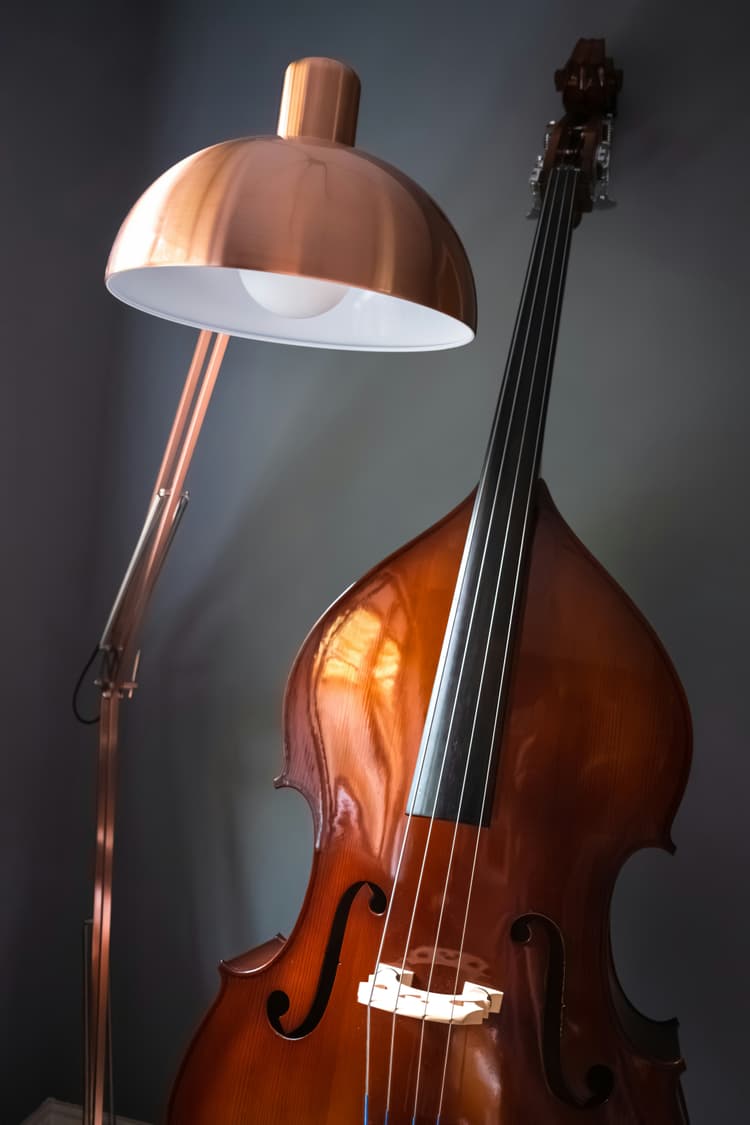
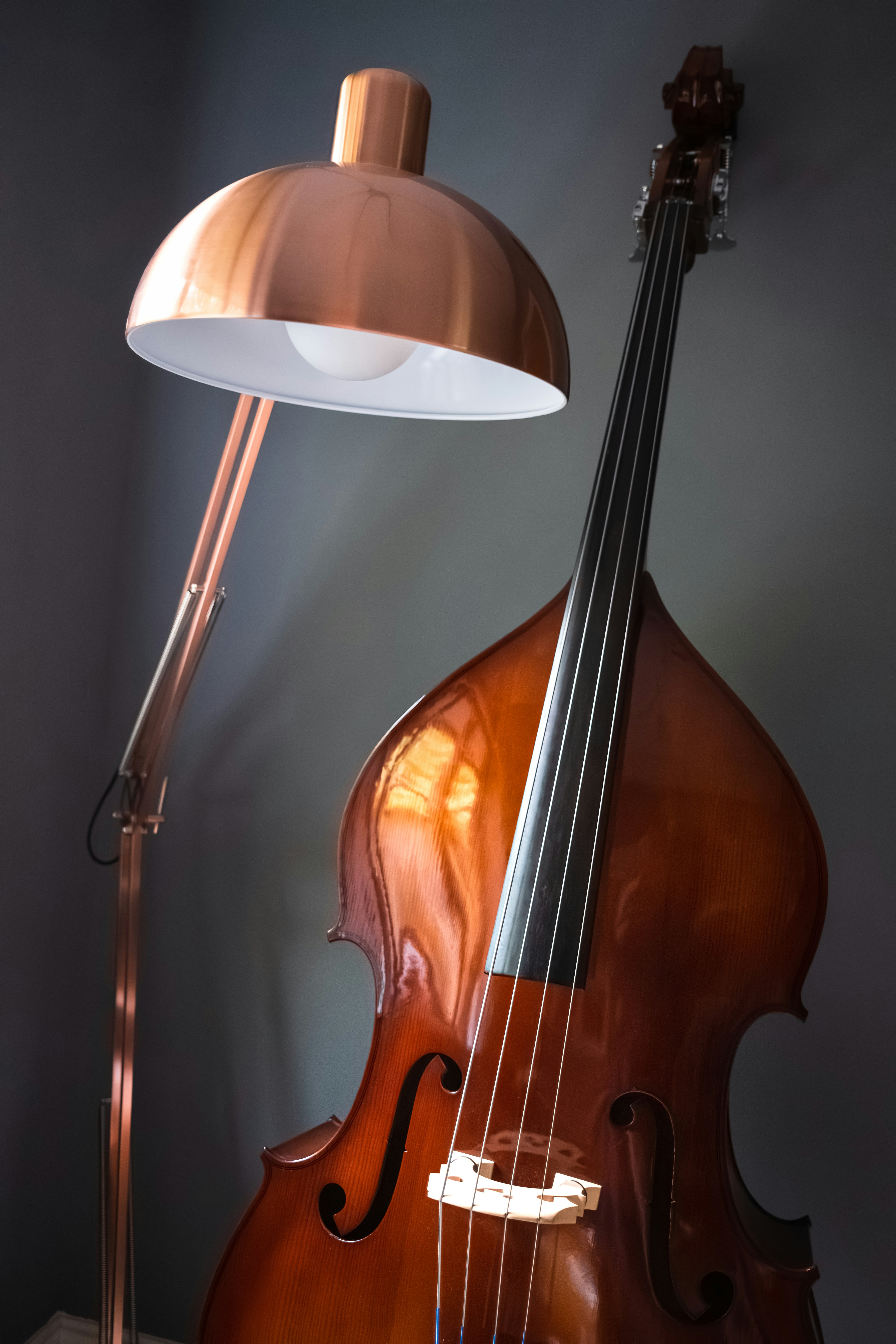
- Double Bass
The double bass, the lowest string instrument in the orchestra, excels in providing foundational harmony but has limited solo spotlight due to its deep, resonant tone that's hard to project melodically without accompaniment. Its size and technical demands (e.g., wide finger stretches) also deter composers. Reddit users highlight its underappreciation in classical settings, though it shines in jazz improvisation.
- Real-World Example: Giovanni Bottesini's Concerto No. 2 in B Minor (1845) is a rare virtuoso showcase, often called the "Paganini of the double bass" for its demanding passages. Modern performers like Edgar Meyer have commissioned new works, such as his own Concerto in D for Double Bass (2003), blending classical and bluegrass.
- Backlink: For more on double bass repertoire, see the University of Rhode Island's instrumental solos guide. - Viola
Often overshadowed by the violin's brighter tone and the cello's warmth, the viola has fewer dedicated solos because it's traditionally a "middle voice" in ensembles. Composers viewed it as less soloistic, leading to a repertoire that's about one-tenth the size of the violin's.
- Real-World Example: Paul Hindemith's Sonata for Solo Viola, Op. 25 No. 1 (1922) is a stark, modernist piece that exploits the instrument's introspective qualities. In a chamber context, Mozart's Sinfonia Concertante for Violin and Viola (1779) gives it equal billing, but pure solos are rare. Violist Lionel Tertis championed the instrument in the 20th century, inspiring works like William Walton's Viola Concerto (1929).
- Backlink: Explore viola discussions on Talk Classical's underappreciated instruments thread. - Bassoon
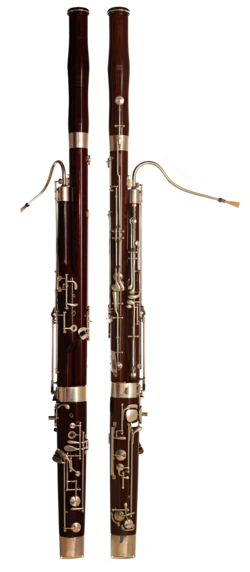
This woodwind's quirky, reedy timbre makes it ideal for character roles (e.g., the grandfather in Prokofiev's Peter and the Wolf), but its limited sustain and breath demands restrict unaccompanied solos. Reddit threads note its overlooked concertos, rarely programmed despite quality.
- Real-World Example: Antonio Vivaldi wrote 39 bassoon concertos (e.g., Bassoon Concerto in E Minor, RV 484), but post-Baroque output drops. Modern pieces like Sofia Gubaidulina's Concerto for Bassoon and Low Strings (1975) highlight its expressive potential, though performances are infrequent. Bassoonist Milan Turkovic has recorded much of the existing repertoire to revive interest.
- Backlink: Check Bassoonists United on Facebook for recital ideas: solo repertoire post. - Tuba
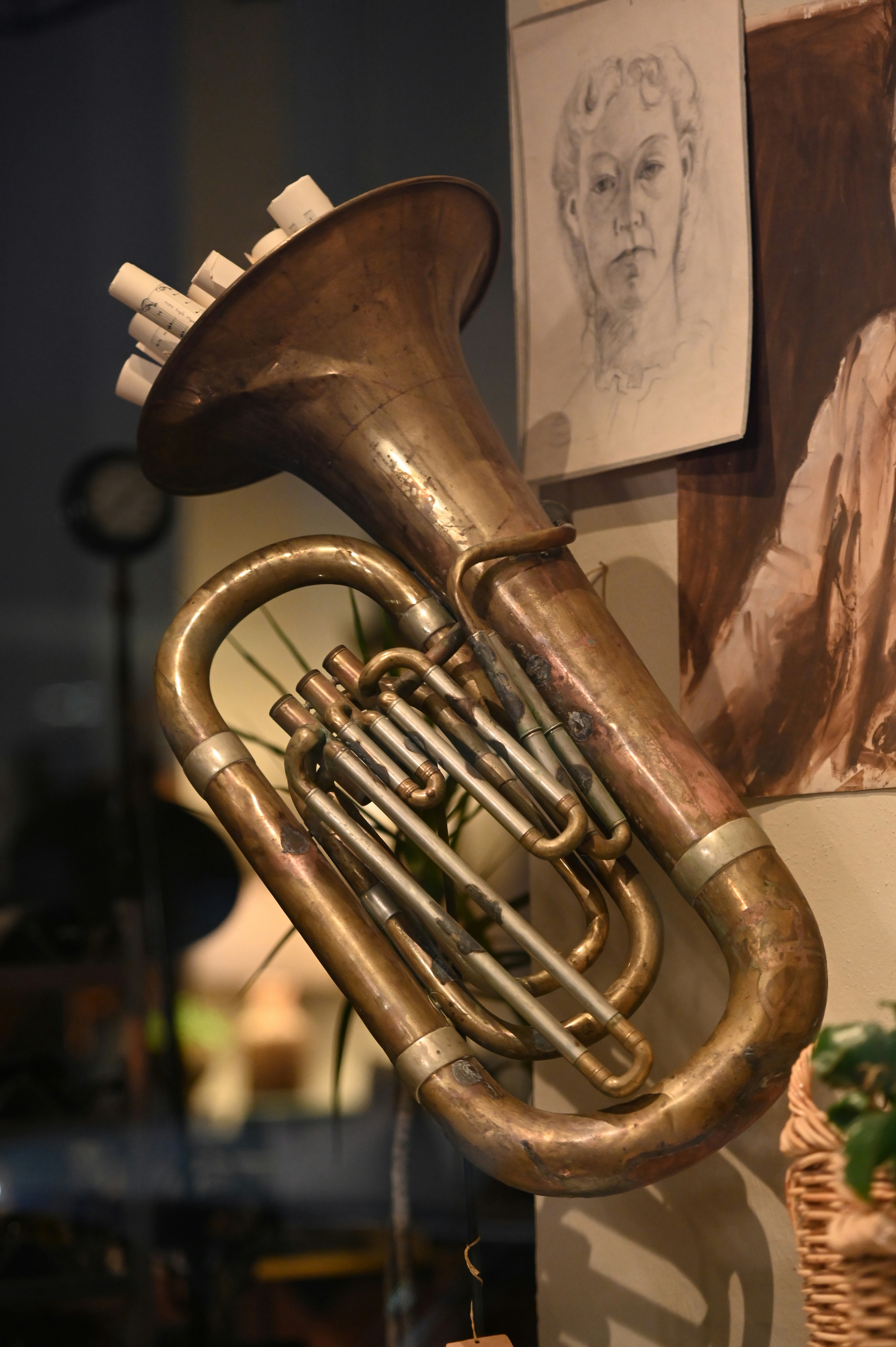
Invented in the 19th century for orchestral bass lines, the tuba lacks projection for lyrical solos and has few dedicated works, often seen as a "support" instrument.
- Real-World Example: Ralph Vaughan Williams' Tuba Concerto (1954) is one of the first major works, blending humor and lyricism. John Williams' Concerto for Tuba (1985) adds to the slim list, performed by tubists like Øystein Baadsvik. In non-classical, tuba solos appear in brass bands, like in Philip Sparke's Tuba Concerto.
- Backlink: Reddit's r/classicalmusic discusses underappreciated instruments including tuba: thread link. - Harp
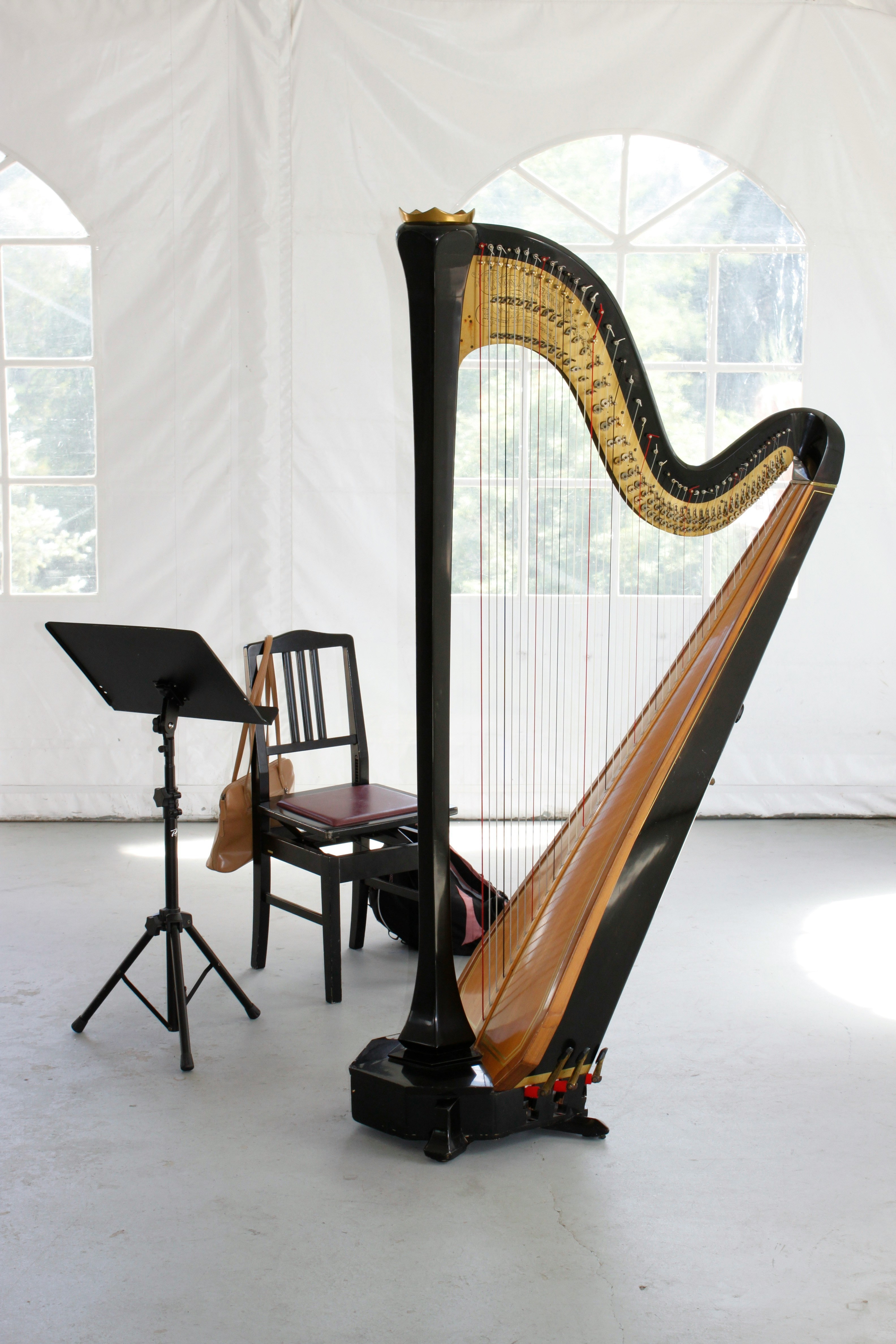
The harp's ethereal sound is stunning in orchestras, but its limited repertoire stems from technical complexity (pedals for key changes) and fragility, making solos rare outside Impressionist works.
- Real-World Example: Marcel Grandjany's Rhapsodie pour Harpe (1921) is a staple, but pieces like Debussy's Danses Sacrée et Profane (1904) are more common with ensemble. Harpist Carlos Salzedo pioneered modern techniques, inspiring works like Alberto Ginastera's Harp Concerto (1956).
- Backlink: For harp challenges, read Classical Music's hardest instruments article. - Contrabassoon
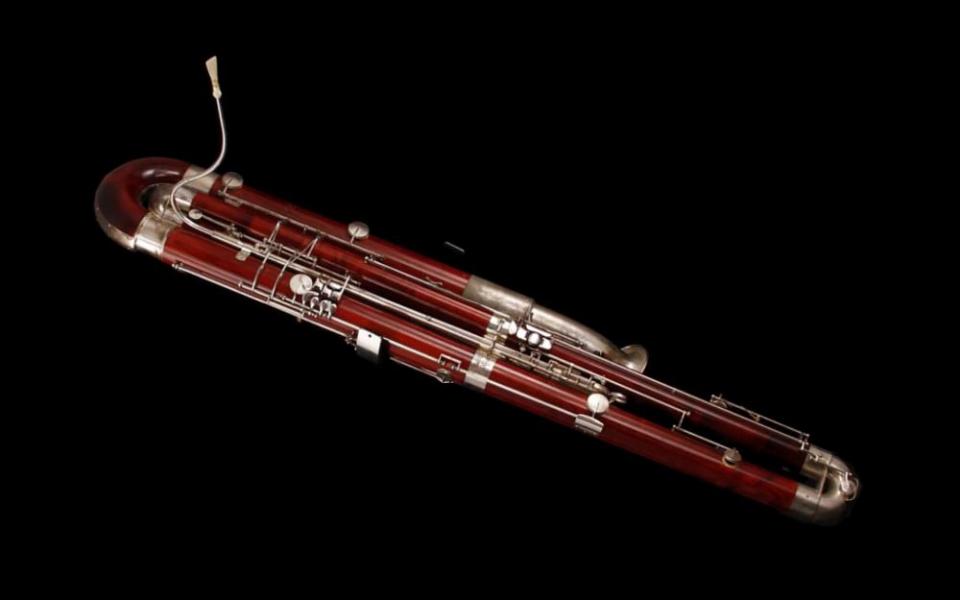
Even deeper than the bassoon, this instrument's booming low register limits melodic solos, often used for comic or ominous effects.
- Real-World Example: Gunther Schuller's Contrabassoon Concerto (1978) is a rare highlight, exploring its range. It's featured in orchestral solos like in Ravel's Ma Mère l'Oye, but pure solos are scarce.
- Backlink: Discussed in r/classicalmusic's underappreciated instruments: link. - Rare or Unusual Instruments (e.g., Arpeggione, Clavichord)
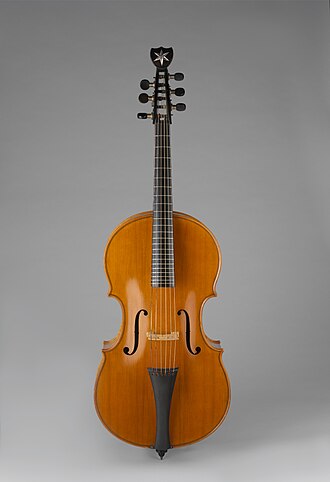
Obscure instruments like the arpeggione (a bowed guitar-cello hybrid) or clavichord (a quiet keyboard for practice) have virtually no repertoire due to obsolescence.
- Real-World Example: Franz Schubert's Arpeggione Sonata (1824) is the only major work, often transcribed for cello. The clavichord has Baroque pieces like C.P.E. Bach's sonatas, but its softness confines it to intimate settings. On X (formerly Twitter), users note its use for composition practice.
- Backlink: Met Museum's clavichord history (via tweet).

Modern Revivals and Conclusions
Contemporary composers are addressing these gaps—e.g., through commissions for bassoon or tuba in film scores (John Williams) or experimental works (e.g., Theremin in electronic music). Reddit users advocate for more performances of existing pieces to build appreciation. Instruments like the horn or oboe have solid but underperformed repertoires (e.g., Mozart's Horn Concerto No. 1), suggesting the issue is visibility, not absence.
Ultimately, these instruments enrich music's diversity when given a chance. Exploring them via recordings or live concerts can reveal hidden gems, challenging the dominance of "star" instruments.
References and Further Reading
- Reddit threads on underappreciated instruments and repertoires.
- General sources on solo repertoires.
- X posts on rare instruments.
Frequently Asked Questions
What factors contribute to an instrument having little solo repertoire?
Historical timing, technical limitations like range or projection, lack of virtuoso performers, and composer preferences for more expressive instruments like violin or piano often result in sparse solo works for others.
Are there any famous solo pieces for underrepresented instruments?
Yes, examples include Bottesini's Concerto No. 2 for double bass, Hindemith's Sonata for viola, and Vaughan Williams' Tuba Concerto, though they are fewer compared to violin or piano pieces.
Why is the viola considered underrepresented despite being similar to the violin?
The viola's middle-range tone is often used for harmony in ensembles, making it less favored for melodic solos, leading to a much smaller repertoire.
Is the solo repertoire for these instruments growing?
Yes, modern composers and performers are commissioning new works, such as Edgar Meyer's double bass concerto or contemporary bassoon pieces, helping to expand the literature.
How can I explore more solo works for these instruments?
Check online resources like university music guides, Reddit discussions in r/classicalmusic, or recordings on platforms like YouTube and Spotify featuring rare performances.