
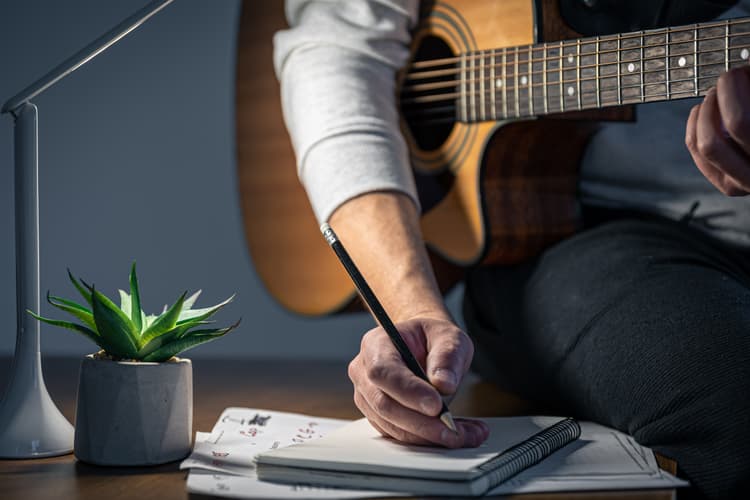
Transcribing sheet music—creating a written notation (by ear, from recordings, or adapting existing scores) of a musical work—and then selling it raises significant legal questions under copyright law. This practice is common among musicians, educators, and online creators, but it often crosses into infringement when done commercially without permission. Below is a detailed breakdown drawing from U.S. Copyright Office guidance, music industry resources, legal analyses, Reddit community discussions, and real-world examples.

Illustration: Converting audio to sheet music (transcription process)
1. Understanding Copyright in Musical Works
Copyright protects original musical compositions the moment they are "fixed" in a tangible form, such as sheet music or a recording. Owners have exclusive rights to reproduce, create derivatives, distribute, and perform the work.

Illustration: Standard musical notation symbols
Key distinction: Transcribing a song by ear from a recording still uses the underlying composition.
Real-world example: The U.S. Copyright Office emphasizes that even your own notation creates protected fixation. Without owning or licensing the original, you cannot exploit it commercially.
Reddit perspective: Users in r/piano note that "Selling it is a big no no... You are not even supposed to make a copy of sheet music you own to share with another person if it is [copyrighted]."
Full details at copyright.gov/engage/musicians
2. Transcription as a Derivative Work: Why It Triggers Copyright Issues
A transcription or arrangement is legally a derivative work. Creating one for personal study may be tolerated, but selling it without permission infringes on reproduction, distribution, and derivative rights.
Reddit consensus: "If you're selling the transcriptions then that's considered a 'derivative work' which you're legally obliged to obtain a license to sell."
Real-world example: A musician transcribing a piano cover for sale on YouTube was advised it was illegal as a derivative work.

Illustration: Real-world transcription example
3. Fair Use Doctrine and Sheet Music: Limited Protection at Best
Fair use allows limited use for teaching or research, but complete transcriptions for sale almost never qualify—especially if they harm the market for official sheet music.
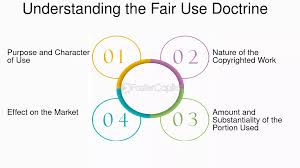
Illustration: The
four factors of fair use
Reddit view: Threads dismiss fair use for sales: "Copyright law allows you to copy up to 10%... You are not allowed to give more than that to anyone."
4. Print Licenses: The Legal Path to Selling Sheet Music
To legally transcribe, arrange, and sell, you need a print license from the copyright owner (publisher). This is custom-negotiated and covers rearrangements and distribution.
5. Public Domain Music: The Clear Legal Green Light
Works published before 1929 (U.S.) or classical pieces like Bach and Beethoven are in the public domain. You can freely transcribe, arrange, and sell your versions with no permission needed.

Illustration: Public domain classical sheet music (Beethoven Symphony No. 2)
Real-world example: Sellers freely offer transcribed classical arrangements on platforms without issues.
Backlink: Check IMSLP.org for thousands of free public domain scores
6. Platforms That Make Legal Sales Possible: ArrangeMe (Hal Leonard)
ArrangeMe lets you upload transcriptions of millions of songs. Hal Leonard handles licensing and royalties—you earn a commission on sales.
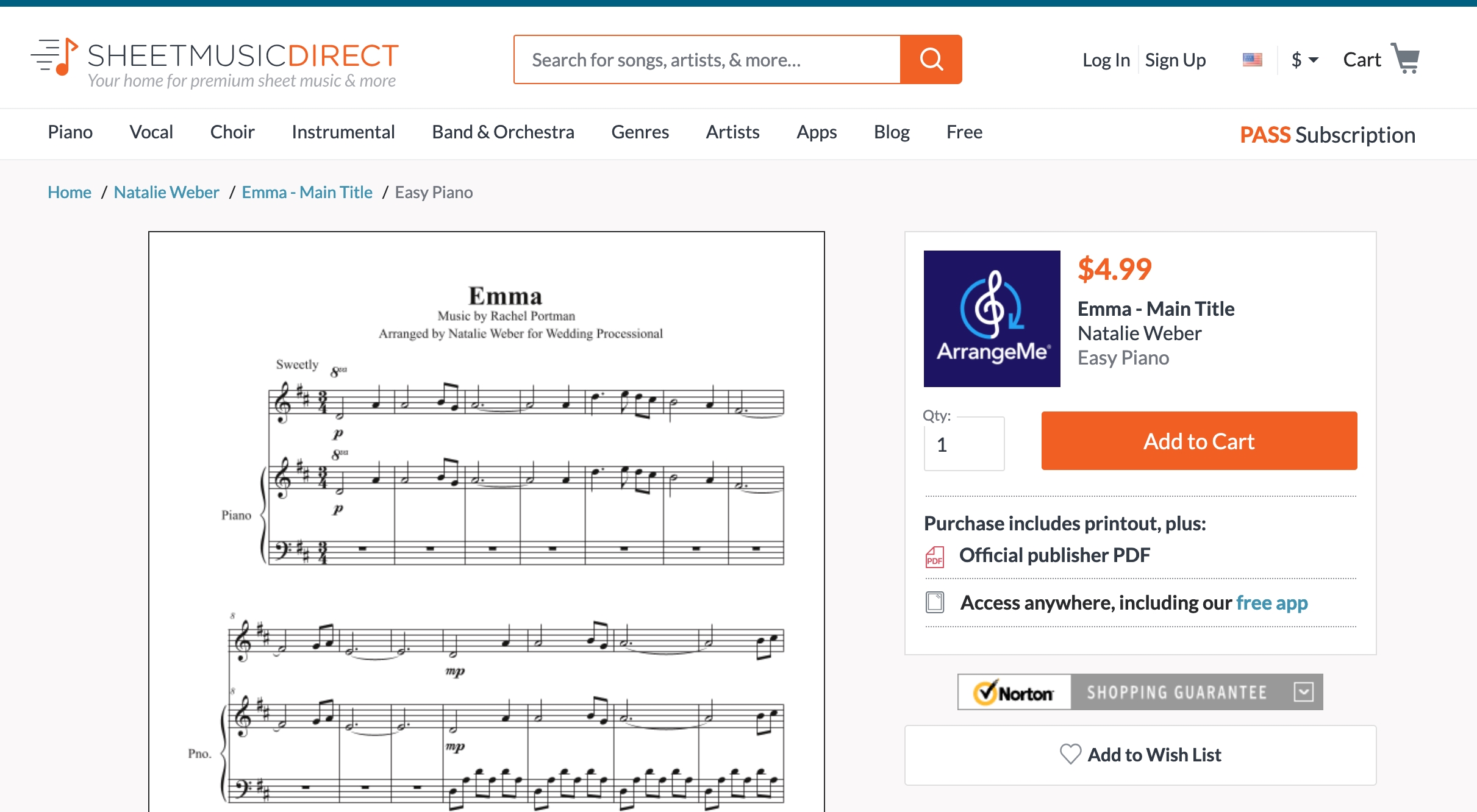
Illustration:
ArrangeMe legal sales platform example
Real-world example: Arrangers use it for popular songs and receive royalties without direct publisher negotiation.
7. Enforcement, Risks, and International Notes
Risks include DMCA takedowns, account strikes, or lawsuits. Small sellers may go unnoticed, but major publishers monitor actively.
Nigeria/international note: As a Berne Convention member, similar protections apply under local copyright law.
8. Best Practices and Alternatives
- Use public domain works or your own originals.
- License via ArrangeMe or direct requests.
- Avoid selling full copyrighted transcriptions on Patreon or Etsy.
This is not legal advice—consult a qualified attorney or rights organization for your specific situation. Understanding these rules protects creators while enabling legitimate innovation in sheet music.
Frequently Asked Questions (FAQ)
Can I transcribe sheet music for personal use only?
Yes, making a single copy for your own study or practice is generally considered fair use and rarely enforced. However, sharing or distributing it (even for free) can still infringe copyright.
Is it legal to sell transcriptions if I give credit to the original composer?
No. Credit does not grant permission. Selling creates a derivative work and requires a print license regardless of attribution.
What exactly is a print license and how do I get one?
A print license is official permission from the publisher to reproduce, arrange, and sell sheet music. Contact the publisher directly or use services like Easy Song Licensing or ArrangeMe. It is usually custom-negotiated and involves royalties.
Backlink: Easy Song Print License explanation
Does fair use ever allow me to sell full transcriptions or arrangements?
Almost never. Commercial sales that substitute for official sheet music fail the “market effect” factor of fair use. Brief excerpts for education may qualify, but full scores for profit do not.
Is transcribing and selling public domain music completely legal?
Yes. Any work in the public domain (e.g., classical music before 1929 in the U.S.) can be freely transcribed, arranged, and sold without permission or royalties.
What are the risks if I sell unlicensed transcriptions online?
Platforms may issue DMCA takedowns, suspend accounts, or remove content. Copyright owners can sue for statutory damages up to $30,000 per infringed work. Large-scale operations may face more serious penalties.
Does this apply in Nigeria or other countries?
Yes. Nigeria is a member of the Berne Convention, so copyright protections for musical works are similar worldwide. Always check local law (Nigerian Copyright Act) and consult the Nigerian Copyright Commission for specific advice.
Are there any legal platforms where I can sell my arrangements safely?
Yes — ArrangeMe (by Hal Leonard) is the most popular. You upload your arrangement, they handle licensing, and you earn royalties on every sale.