
Long before stadium tours, platinum albums, and viral music videos, composers like Johann Sebastian Bach and Wolfgang Amadeus Mozart were shaping the very foundation of Western music. The truth is simple: much of today’s pop music — including the works of Michael Jackson — stands on classical shoulders.
From harmony and counterpoint to orchestration and large-scale structure, classical music’s DNA runs deep through modern hits. Let’s explore how.
Bach: The Architect of Harmony and Counterpoint
Bach (1685–1750) codified tonal harmony and perfected counterpoint — the art of combining multiple independent melodies into one cohesive whole. According to Encyclopaedia Britannica, counterpoint became a foundational technique in Western music.
Today, layered vocal harmonies in pop music echo Bach’s techniques. Whenever you hear overlapping vocal lines or intricate backing harmonies, you’re hearing a distant relative of the Baroque fugue.
Mozart: Master of Form, Melody, and Emotional Balance
Mozart (1756–1791) perfected sonata form, symmetrical phrasing, and elegant melodic construction. His ability to balance emotional expression with structural clarity made his music timeless.
Modern pop song structures — verse, chorus, bridge — often reflect similar balance and thematic contrast found in Mozart’s sonata-allegro form.
Michael Jackson: The Pop Star with Classical DNA
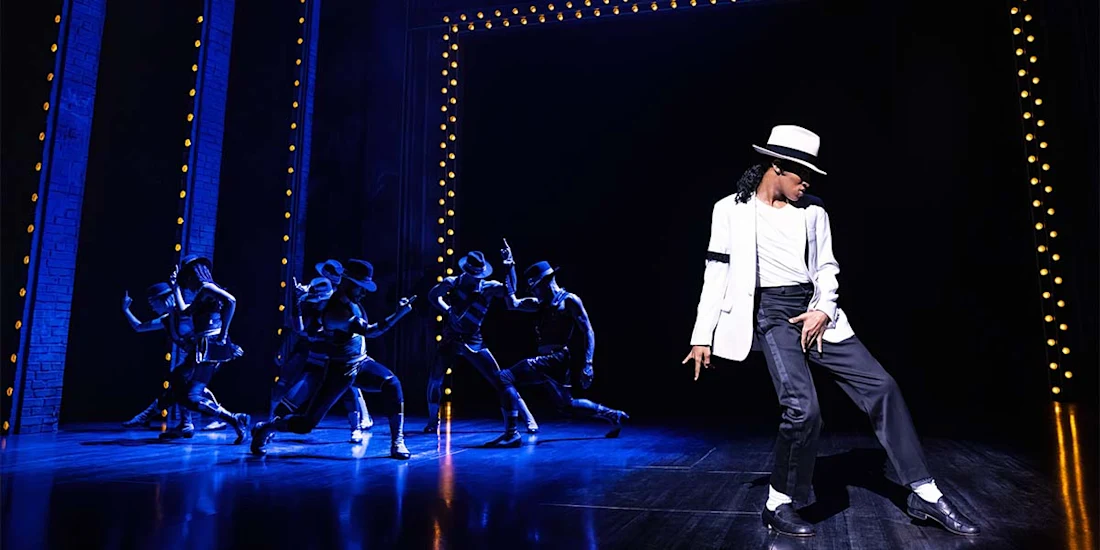
Michael Jackson openly appreciated classical music. He studied composition and reportedly listened to composers like Tchaikovsky and Bach.
1. “Will You Be There” (1991)
Jackson’s song Will You Be There incorporates a section from Beethoven’s Symphony No. 9 (“Ode to Joy”). The orchestral choir introduction gives the track a sacred, oratorio-like grandeur.
2. “Little Susie” (1995)
The opening of Little Susie features “Pie Jesu,” a classical choral theme. The dramatic orchestration mirrors classical requiem traditions.
Jackson treated classical elements not as decoration, but as emotional amplifiers.
The Beatles: Counterpoint and Chamber Pop
The Beatles frequently experimented with classical harmony. In Because, John Lennon based the chord progression on Beethoven’s Moonlight Sonata — played backwards.
The track features nine layered vocal parts, a modern example of polyphonic writing.
Another landmark is Eleanor Rigby, which uses a double string quartet instead of traditional rock instruments. The arrangement resembles Baroque chamber music.
Queen: Opera Meets Rock
Queen’s legendary Bohemian Rhapsody blends rock with operatic structure. Music critics have described it as a “mini opera” with shifting movements similar to classical symphonic form.
The multi-layered vocal harmonies resemble choral counterpoint, while its dramatic structure echoes classical opera.
Lady Gaga and Direct Classical Sampling
Lady Gaga’s Alejandro contains violin lines inspired by Vittorio Monti’s “Csárdás.”
Many modern artists borrow directly from classical repertoire, demonstrating that the influence is not subtle — it is deliberate.
How Classical Techniques Appear in Pop Music
- Counterpoint: Multi-layered vocal harmonies (Beatles, Queen)
- Orchestration: String arrangements in pop ballads
- Modulation: Key changes for emotional lift
- Dramatic Form: Multi-section songs like “Bohemian Rhapsody”
- Choral Grandeur: Gospel/choir elements in Michael Jackson’s work
Even when listeners don’t realize it, classical composition techniques are everywhere in pop music.
Frequently Asked Questions (FAQ)
Did Michael Jackson study classical music?
Yes. Michael Jackson studied composition and incorporated orchestral and classical elements into multiple recordings, including Beethoven-inspired material.
How did Bach influence modern musicians?
Bach’s development of harmony and counterpoint forms the backbone of Western tonal music, influencing everything from gospel choirs to pop harmonies.
Did The Beatles intentionally use classical music?
Yes. Songs like “Because” and “Eleanor Rigby” show deliberate classical influence.
Is classical influence common in pop music?
Extremely. Many producers and songwriters use classical harmony, modulation techniques, and orchestration methods.
Why does classical influence make pop music sound “epic”?
Orchestration, choral textures, and dynamic contrast create emotional scale — techniques perfected during the Baroque and Classical periods.
Sources & References
- Encyclopaedia Britannica – Johann Sebastian Bach: https://www.britannica.com/biography/Johann-Sebastian-Bach
- Encyclopaedia Britannica – Wolfgang Amadeus Mozart: https://www.britannica.com/biography/Wolfgang-Amadeus-Mozart
- Encyclopaedia Britannica – Counterpoint: https://www.britannica.com/art/counterpoint-music
- Encyclopaedia Britannica – Michael Jackson: https://www.britannica.com/biography/Michael-Jackson