
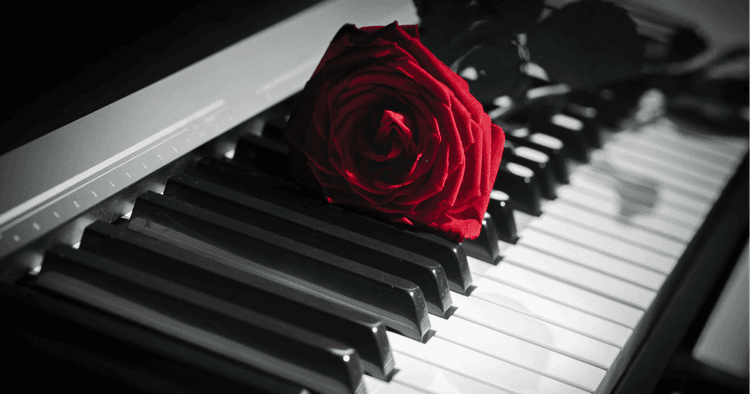
The idea of the nocturne in music has captured the imagination of composers and listeners for over two centuries. While the term originally referred to pieces associated with night and evening gatherings, today it signifies a poetic, introspective musical form that evokes the mystery, stillness, and emotional depth of night.
According to Encyclopaedia Britannica, a nocturne is generally a musical composition inspired by the night, characterized by expressive melody and atmospheric harmony.
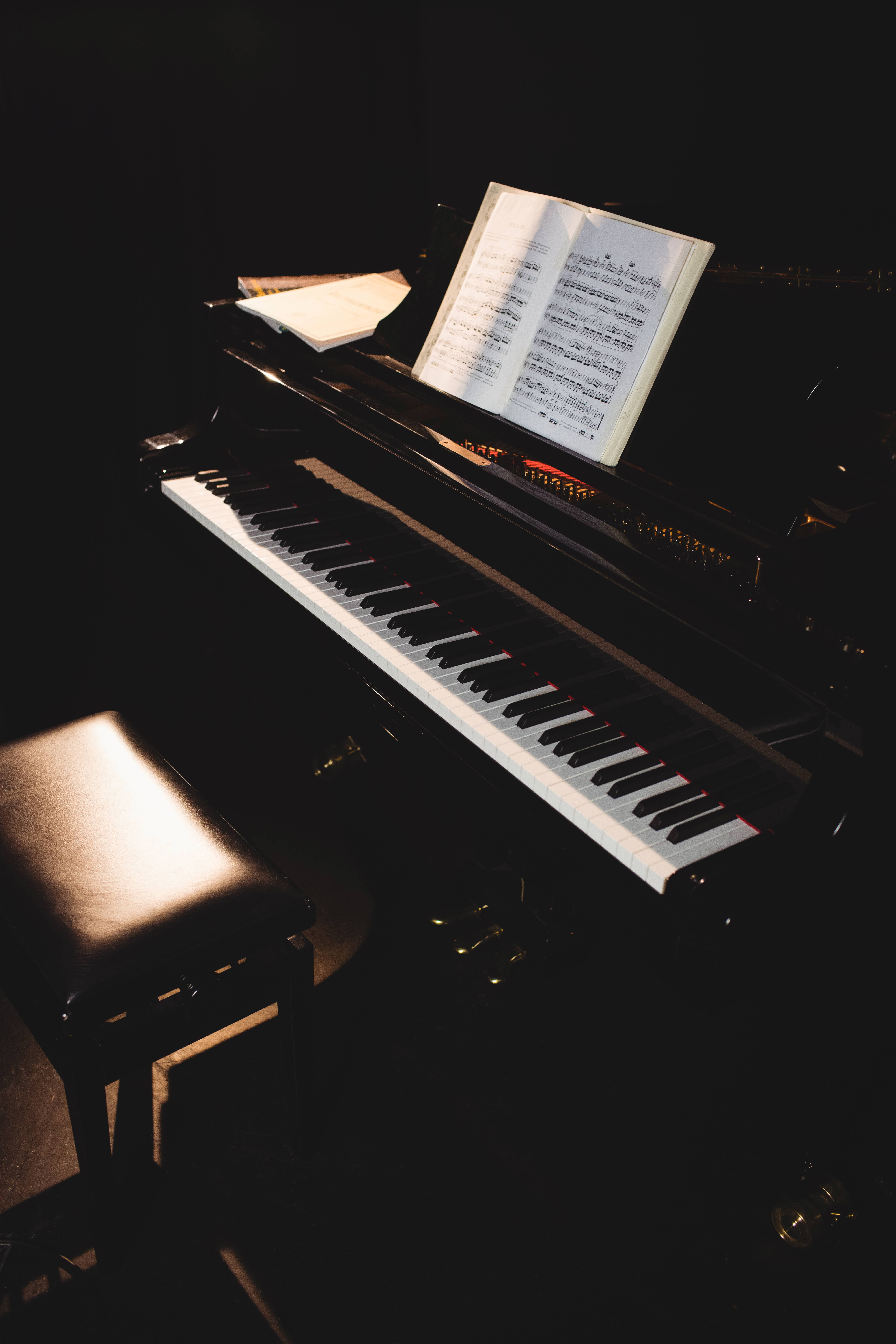
What Is a Nocturne? Origins and Evolution
The word nocturne comes from the French word meaning “of the night.” In the 18th century, nocturnes were light ensemble works performed at evening social events. Over time, the term evolved into a more intimate and poetic musical genre.
The modern nocturne is widely credited to Irish composer John Field, who composed lyrical piano works that emphasized flowing melody and soft accompaniment. Later, Frédéric Chopin transformed the genre into a deeply expressive Romantic art form, writing 21 famous nocturnes that remain central to piano literature.
More information can be found at: Wikipedia – Nocturne and Chopin’s Nocturnes.
Musical Characteristics of a Nocturne
Although nocturnes differ across eras, most share common features:
- Lyrical, song-like melodies
- Gentle harmonic progressions
- Expressive tempo flexibility (rubato)
- Introspective or emotional tone
- Often structured in ABA (ternary) form
Nocturnes typically aim to reflect emotional states associated with night: calm, nostalgia, solitude, longing, or quiet contemplation.
Reference: Audio Apartment – What Is a Nocturne?
Nocturne in Modern Composition
In the 21st century, the idea of the nocturne extends far beyond solo piano. Modern composers use nocturnal aesthetics in film music, ambient music, contemporary classical works, and even electronic genres.
Nocturnal influence can be heard in:
- Film and game soundtracks
- Minimalist piano music
- Choral and chamber works
- Ambient and neo-classical genres
Many modern works preserve the emotional spirit of the nocturne while adopting new harmonic languages, digital textures, and cinematic sound design.
Reference: Our Music World – Nocturne in Modern Music
The Nocturnal Aesthetic
One of the most influential contemporary composers associated with nocturnal aesthetics is Ola Gjeilo, a Norwegian composer and pianist whose music blends classical tradition with cinematic harmony and emotional depth.
Gjeilo studied at the Juilliard School and the Royal College of Music, and his works are published by major music publishers and performed worldwide.
Official biography: Decca Classics – Ola Gjeilo Biography
Key Works by Ola Gjeilo with Nocturnal Influence
1. Night (Solo Piano Album)
In 2020, Gjeilo released the solo piano album Night, a collection inspired by improvisations recorded during late-night hours. The album reflects urban stillness, emotional calm, and reflective mood.
Review: David Barton Music – Review of Night
2. Luminous Night of the Soul
This choral and chamber work explores mystical and spiritual themes of night, using rich harmony and floating textures.
Sheet music: Ola Gjeilo – Luminous Night of the Soul
How Gjeilo Connects to the Nocturne Tradition
Although Gjeilo does not label his works as traditional nocturnes, his music reflects many defining elements of the genre:
- Song-like lyrical melodies
- Emotional introspection
- Night-inspired imagery
- Soft harmonic colors
- Reflective spiritual mood
His work represents a modern evolution of nocturne aesthetics, bridging Romantic tradition and contemporary sound.
Why Nocturnes Still Matter Today
Nocturnes remain relevant because they offer:
- Timeless emotional expression
- Adaptability to modern genres
- A platform for personal reflection
- A bridge between tradition and innovation
In a fast-paced digital world, nocturne-inspired music provides a space for stillness, emotional depth, and human connection.
Experience a Modern Nocturne
After exploring the beauty of nocturne-inspired music, you might be wondering:
Meet DOMITILA — a reflective, emotionally rich composition inspired by the tonic solfa sequence do–mi–ti–la.
It blends lyrical intimacy with modern harmonic color — capturing the calm, mystery, and emotional depth of night in a fresh voice.
Whether you’re:
- A choir director seeking expressive repertoire
- A pianist looking for introspective music
- Or a listener drawn to cinematic stillness
DOMITILA offers a modern continuation of the nocturne tradition.
👇 Listen, Explore the score, and experience the night.

DOMITILA
By - Daniel AzubuineFrequently Asked Questions (FAQ)
What makes a composition a nocturne?
A nocturne is a piece designed to evoke night through mood, lyrical melody, and emotional atmosphere.
Did Chopin invent the nocturne?
No. John Field pioneered the genre, but Chopin perfected and popularized it.
Are nocturnes still relevant today?
Yes. Many modern composers, film scorers, and ambient artists use nocturnal aesthetics.
How does Ola Gjeilo relate to nocturnes?
Gjeilo’s music shares nocturne qualities such as introspection, night imagery, lyrical harmony, and emotional calm.
Can nocturnes exist outside classical music?
Yes. Nocturne-inspired music appears in film, electronic, ambient, neo-classical, and game soundtracks.
Conclusion
The nocturne remains one of the most enduring and emotionally powerful musical forms in history. From John Field and Chopin to modern composers like Ola Gjeilo, the nocturne continues to evolve while preserving its poetic core.
In modern composition, nocturnes are no longer confined to piano alone. They exist across genres, technologies, and cultures—still whispering the timeless emotional language of the night.