
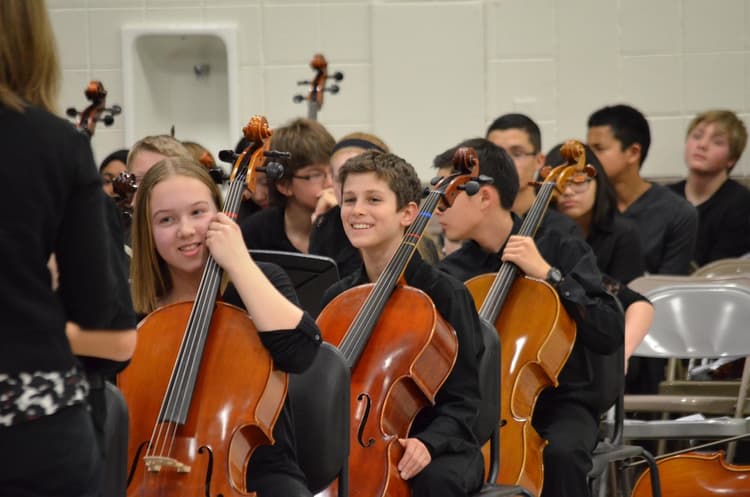
Why Orchestra Matters for Kids and Middle Schoolers
Music has the power to uplift, to tell stories without words, and to transform ordinary moments into something extraordinary. Introducing children to orchestral music during their formative years does more than cultivate appreciation—it nurtures discipline, teamwork, aural sensitivity, creativity, and a lifelong love for the arts.

For middle schoolers especially (ages 10–14), their cognitive, emotional, and social development makes this a sweet spot for orchestral engagement. At this stage, young musicians are ready to move beyond simple tunes into harmony, ensemble balance, dynamic contrast, and expressive phrasing. An orchestra—or even a string ensemble—lets them participate in musical storytelling, not just passively listen.
In this article, we’ll explore:
- The benefits of orchestra programs for children
- How to design orchestral experiences suited to the middle-school level
- Repertoire ideas that engage and challenge
- Practical tips for teachers, conductors, and parents
- Inspiring examples from youth orchestras around the world
The Benefits of Orchestral Programs

1. Musicianship & Listening Skills
Students learn to adjust dynamics, rhythm, and tone to blend with others. This active listening deepens musical sensitivity.
2. Discipline, Perseverance & Responsibility
Orchestral rehearsals demand punctuality, preparation, and accountability. Each student is one voice in a larger whole—if one part is weak, the ensemble suffers.
3. Teamwork & Social Skills
Orchestra is inherently collaborative. Students must trust and support each other across sections—strings, winds, brass, percussion—to realize a shared musical vision.
4. Confidence & Expressive Voice
Hearing themselves contribute to a symphony builds self-esteem. They feel empowered as musical storytellers, not just performers.
5. Academic & Cognitive Benefits
Research links music with improved spatial reasoning, memory, and math ability. Learning orchestral music sharpens the brain.
6. Exposure to Great Art
Orchestras expose young learners to composers across eras—Baroque, Classical, Romantic, Modern—broadening cultural and artistic horizons.
Designing Orchestra Programs for Middle-Schoolers

A. Start with a Flexible Ensemble Structure
- Begin with a string ensemble (violins, violas, cellos, basses).
- Add winds, brass, and percussion gradually.
- Use sectionals and mentorship to strengthen weaker players.
B. Scaffolded Repertoire & Difficulty
Choose pieces that reinforce rhythm, melody, harmony, and contrast. Short motifs and accessible structures boost confidence.
C. Balance Challenge & Success
Include one “stretch” piece (just beyond current skills) and one “comfort” piece students can play well.
D. Use Props, Stories & Multimedia
- Pair music with narration (e.g. Peter and the Wolf).
- Use visuals, projections, or simple stage movement.
E. Provide Performance Opportunities
- School concerts and recitals
- Community appearances at libraries or festivals
- “Side-by-side” events with professional orchestras
F. Encourage Variety
Mix classical works with folk, film, and game music arrangements to broaden interest.
Repertoire Ideas That Engage & Educate

| Repertoire Type | Sample Works / Ideas | Why It Works |
|---|---|---|
| Narrative / Program Music | Peter and the Wolf (Prokofiev), The Sorcerer’s Apprentice (Dukas) | Stories engage imagination; orchestration highlights instrument colors. |
| Movements & Overtures | Classical marches, overtures, short movements | Students experience structure, form, and contrast. |
| Light/Accessible Works | “Grade 2 Full Orchestra” pieces (Alfred) | Designed for developing ensembles. |
| Popular & Arranged Works | Movie themes, folk tunes, video game music | Connects with students’ personal interests. |
| Contemporary Works | Commissioned pieces, works by living composers | Engages students with modern voices in music. |
Tips & Best Practices for Success
- Encourage daily practice (10–15 minutes minimum).
- Assign section leaders and peer mentors.
- Integrate ear training games and listening sessions.
- Focus on rhythmic precision early.
- Create a safe, respectful rehearsal environment.
- Invite guest clinicians or professional musicians.
- Involve families and communities through open rehearsals and concerts.
- Celebrate small wins and be patient with growth.
Inspiring Examples in Youth Orchestras
- Empire State Youth Orchestra (US): Multiple ensembles including middle-school level with mentorship and performance opportunities.
- Elgin Youth Symphony Orchestra: Offers tiered ensembles like Sinfonia and Philharmonia for gradual development.
- Albany Symphony: Runs “side-by-side” events combining professionals and students.
Sample Yearly Program Outline
- Pre-season: Assess skill levels, choose repertoire, build ensemble games.
- First Term: Focus on basics, rehearse simple pieces, midterm performance.
- Second Term: Add contrasting repertoire, introduce new instruments, host community concert.
- Third Term: Tackle a “stretch” piece, refine dynamics, final concert showcase.
- Reflection: Survey students/parents, archive progress, plan for next year.
FAQs About Orchestral Programs for Kids
1. What age is best to start orchestra?
Many programs begin as early as age 8–10 with string ensembles, expanding into full orchestras by middle school. The middle-school years (10–14) are ideal for ensemble growth.
2. Do students need private lessons to join an orchestra?
Not always. Many school orchestras welcome students of varying levels. Private lessons help, but strong rehearsals, mentorship, and sectionals can support beginners.
3. What instruments are easiest for kids to start with?
Violins, violas, and cellos are common starters. As programs expand, winds, brass, and percussion are added gradually for fuller orchestral color.
4. How can parents support at home?
Parents can help by encouraging daily practice, attending concerts, and celebrating milestones. Listening to recordings together also reinforces musical learning.
5. What’s the biggest non-musical benefit of orchestra?
Teamwork. Orchestra teaches students how to collaborate, trust one another, and contribute to a shared goal—skills that last beyond music.
Final Thoughts & Call to Action
Orchestral music for children and middle-schoolers is a powerful investment—in skill, confidence, and community. With thoughtful repertoire, supportive teachers, and engaged parents, young musicians can flourish as both artists and individuals.
At That Great Composer, we provide orchestral sheet music for all levels, including beginner-friendly arrangements and full scores. Explore our growing collection of orchestra sheet music today and help young learners discover the joy of ensemble playing.