
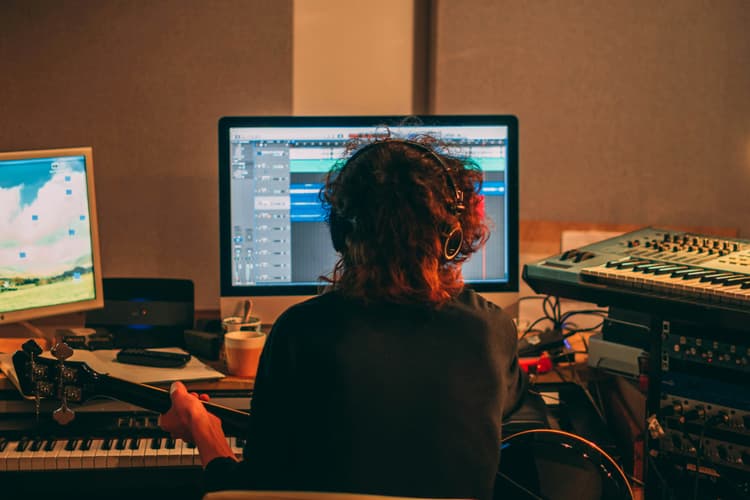
Film score music occupies a unique position in the world of composition. Unlike concert music or popular songs, film scoring exists primarily to serve a visual narrative. Its purpose is not to draw attention to itself, but to deepen the emotional, psychological, and dramatic impact of a story.
According to Tutti Space, film scoring is fundamentally about enhancing the emotional meaning of a film without distracting the viewer from the story itself.
Understanding the Story
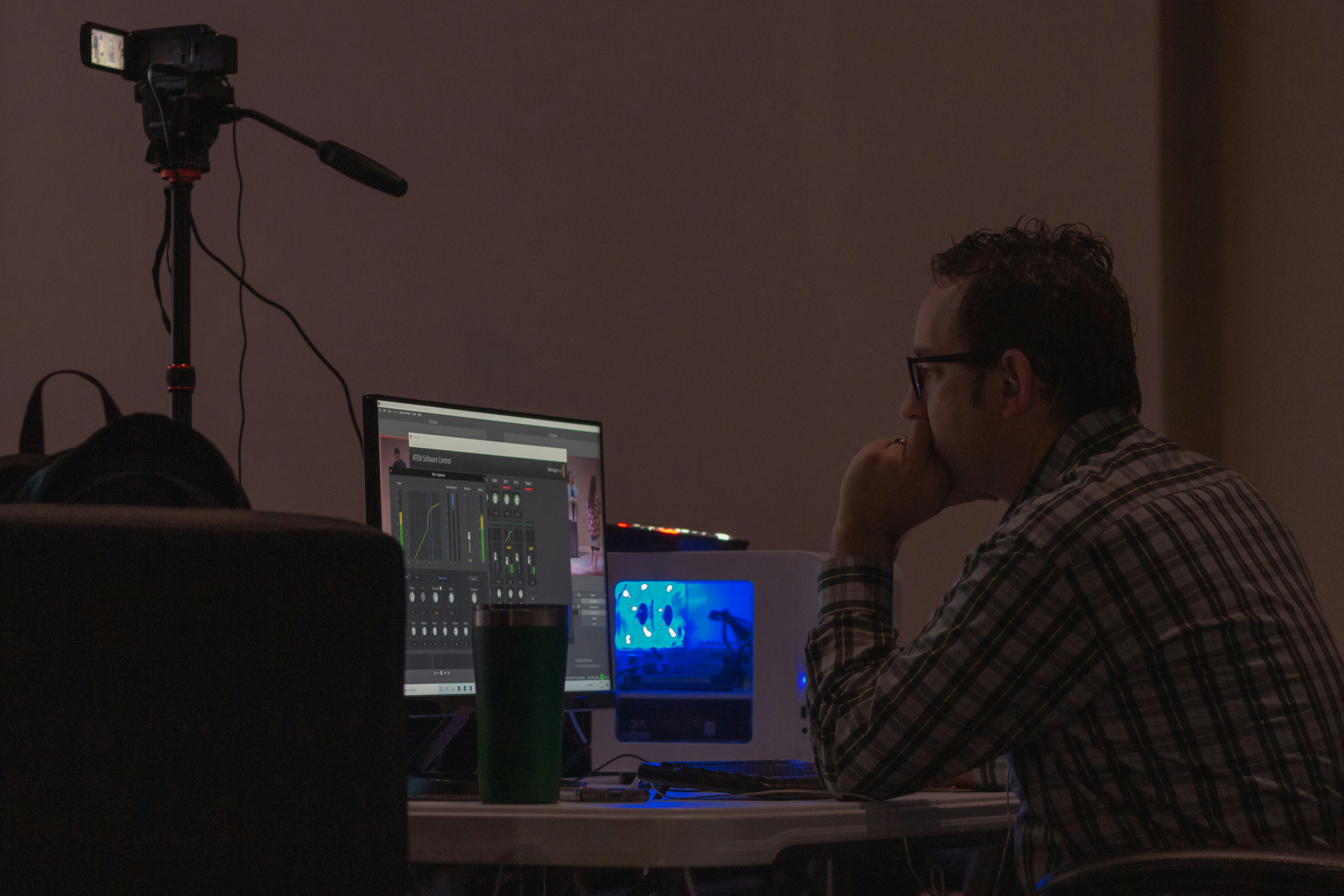
The process of writing a film score begins with understanding the story. Before composing any music, a composer must fully engage with the film’s narrative, themes, characters, and emotional arcs.
Film Music Theory emphasizes that emotional comprehension is the foundation of effective film scoring (Film Music Theory).
The Spotting Session
A spotting session is a collaborative meeting between the composer and the director, where decisions are made about where music should begin and end.
Tutti Space explains that spotting sessions prevent over-scoring and allow silence to remain meaningful (Tutti Space).
Choosing a Musical Palette
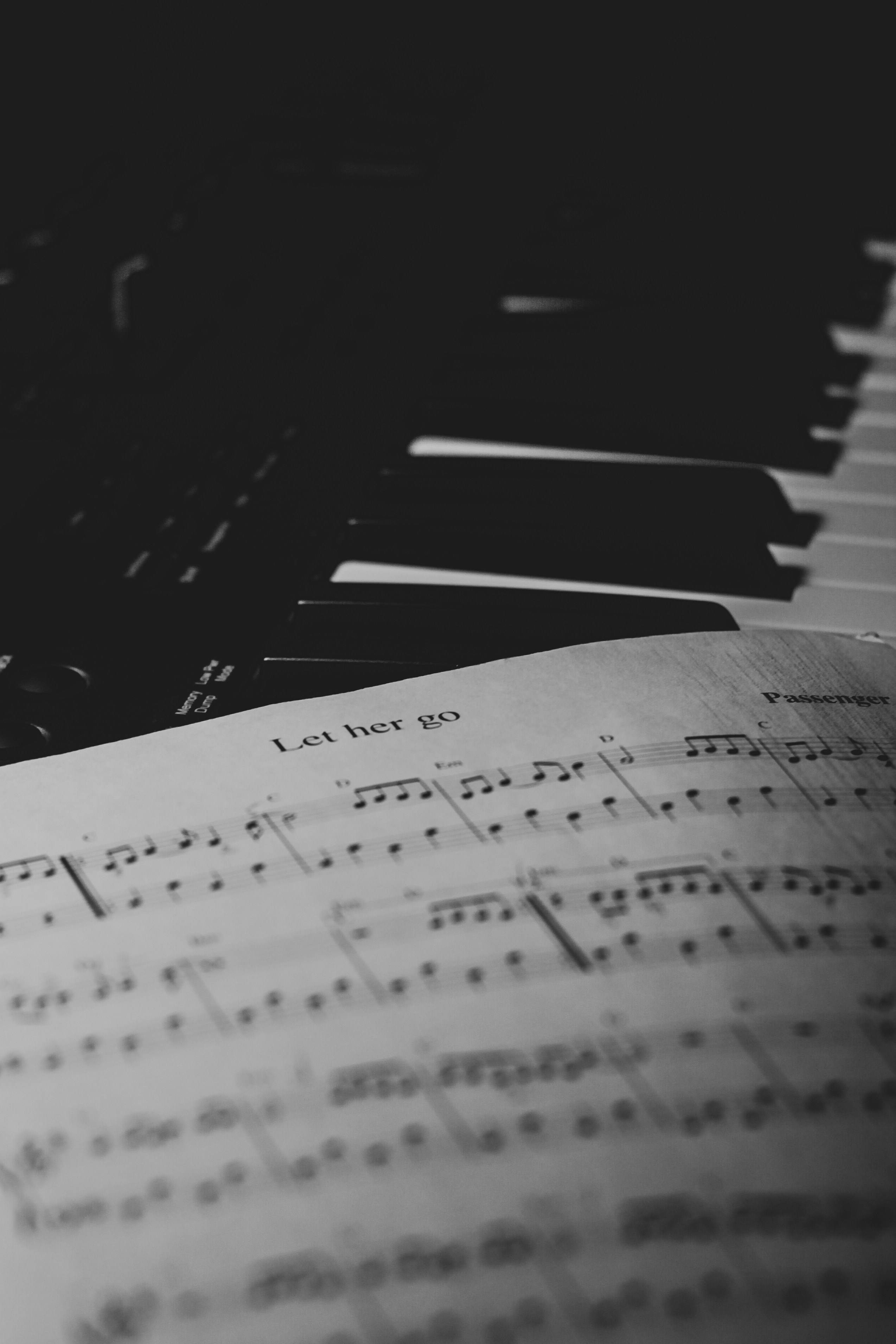
The musical palette defines the identity of the score. This includes orchestral instruments, electronic sounds, or hybrid approaches.
Source Audio recommends defining a sonic palette early to maintain stylistic cohesion (Source Audio).
Themes and Motifs
Themes and motifs help audiences form emotional connections. Famous examples include John Williams’ Star Wars themes and Hans Zimmer’s Inception score.
Film Score Seminar explains how motifs strengthen emotional memory (Film Score Seminar).
Writing to Picture Using a DAW
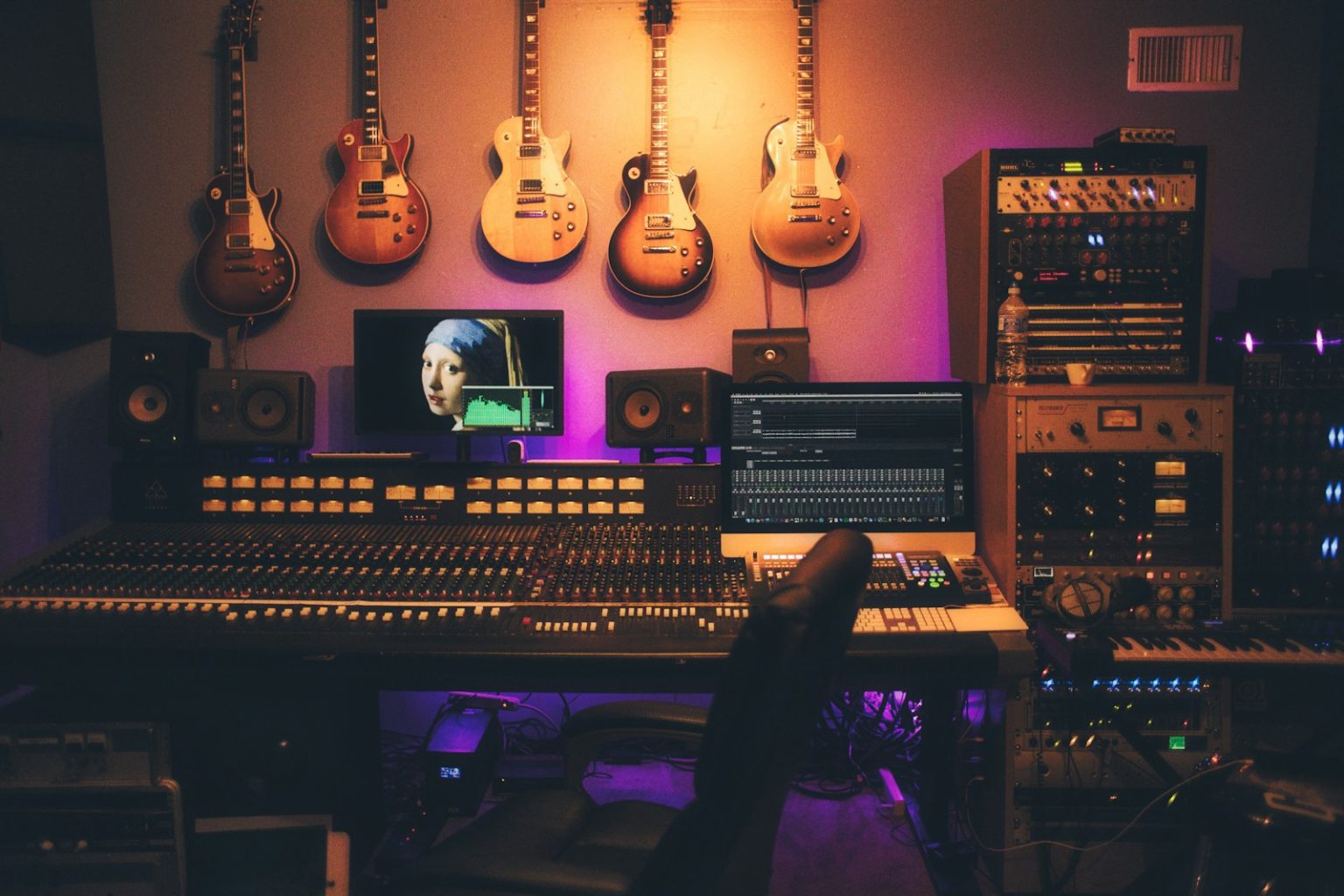
Modern composers use DAWs such as Logic Pro, Cubase, or Pro Tools to synchronize music to video.
Film Music Theory notes that synchronization is what separates film scoring from traditional composition (Film Music Theory).
Emotional Composition
Film music communicates through melody, harmony, rhythm, and dynamics. Emotional effectiveness is the main goal.
Elizabeth Records highlights the importance of harmonic movement (Elizabeth Records).
Mockups, Recording and Delivery
Mockups allow directors to preview scores before recording. Soundtrack Academy considers mockups an industry standard (Soundtrack Academy).
Insights from Professional Composers
- Hans Zimmer – MasterClass
- John Williams – Wikipedia
- Rachel Portman – Wikipedia
Frequently Asked Questions (FAQ)
What skills do I need to become a film composer?
You need strong music theory knowledge, emotional storytelling skills, proficiency with a DAW, and the ability to collaborate with directors.
Do I need an orchestra to write film scores?
No. Many modern film scores are created entirely with virtual instruments and sample libraries.
Which software is best for film scoring?
Popular options include Logic Pro, Cubase, Pro Tools, Reaper, and Ableton Live.
How long does it take to write a film score?
It depends on the length of the film and complexity, but typically ranges from a few weeks to several months.
Conclusion
Writing film score music is the art of transforming emotion into sound. The best film composers are storytellers who use music as an invisible emotional guide for the audience.