
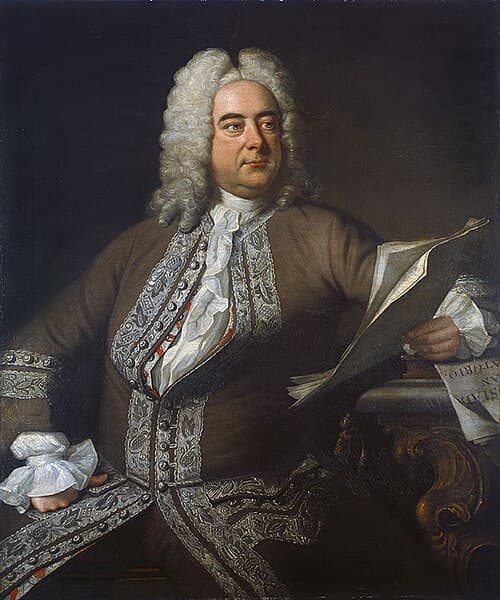
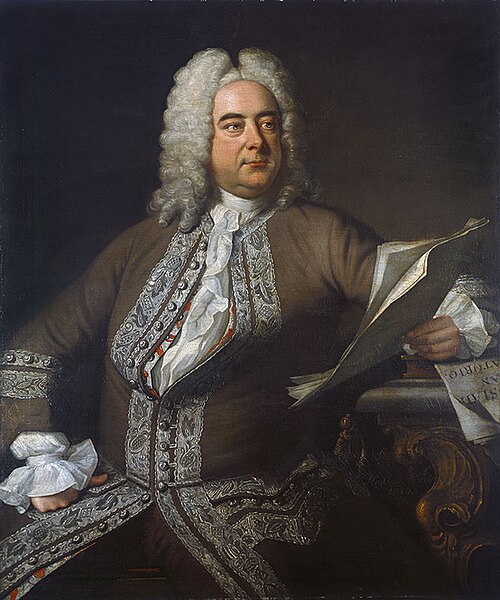
George Frideric Handel’s career exemplified prolific output, stylistic diversity, and mass appeal. He composed dozens of operas, oratorios, and instrumental works, becoming one of the most influential composers in Western music history. According to Encyclopaedia Britannica, Handel was noted particularly for his operas, oratorios, and instrumental compositions, and for shaping English musical culture.
Handel famously composed Messiah in just three weeks, demonstrating an almost superhuman creative energy. Music historian R. O. Morris once wrote that Handel “committed more notes to paper than any other composer before or since.”
Defining a Modern-Day Handel
To identify a modern equivalent of Handel, we must define what made him unique:
- Prolific output – a vast catalog of works.
- Stylistic range – mastery of multiple genres.
- Broad cultural reach – appeal beyond elite audiences.
- Lasting legacy – music performed across generations.
- Innovation – new forms, technologies, or performance models.
Contemporary Composers with Handelian Traits
Several modern composers share aspects of Handel’s spirit:
John Rutter is one of the most performed living choral composers. According to Oxford University Press, Rutter is a world-renowned and prolific composer whose works are sung worldwide.
Eric Whitacre has become synonymous with modern choral music. His Virtual Choir project, described by ericwhitacre.com, brought together thousands of singers across the globe in a single digital performance.
In film music, John Williams and Hans Zimmer have achieved Handel-like cultural penetration. Williams has composed some of the most recognizable themes in cinema history, including Star Wars and Jurassic Park ( Britannica). Zimmer, meanwhile, has scored over 150 films, including Inception and Dune.
Jacob Collier: The “Messiah” of Modern Harmony

Among contemporary musicians, Jacob Collier stands out as the most compelling candidate for “modern Handel.” Born in 1994, Collier is a British multi-instrumentalist whose music spans jazz, pop, folk, classical, gospel, and R&B.
According to Encyclopaedia Britannica, Collier is a brilliant vocalist and instrumentalist known for his complex harmonic language and innovative production techniques.
Collier has won multiple Grammy Awards and became the first British artist to win a Grammy for each of his first four albums, as reported by the Recording Academy.
Much like Handel, Collier is both a composer and performer. He often uses audiences as part of his music, dividing crowds into harmonic sections and conducting them live. This echoes Handel’s use of massive choirs in oratorios like Messiah.
Collier also teaches harmony and composition, even lecturing at institutions such as MIT. His educational influence mirrors Handel’s historical role as a public musical figure.
Conclusion: Is There Really a New Handel?
While no one can truly replace Handel, Jacob Collier embodies many of his defining qualities: exceptional versatility, technical mastery, innovation, and broad cultural impact. In 2026, Collier represents the closest thing we have to a modern-day Handel.
Frequently Asked Questions (FAQ)
Who was George Frideric Handel?
Handel was a Baroque composer (1685–1759) best known for his oratorios, especially Messiah. He played a major role in shaping English musical life.
What makes someone a “modern Handel”?
A modern Handel would be prolific, stylistically versatile, widely influential, and capable of producing music with long-term cultural value.
Why is Jacob Collier compared to Handel?
Collier shares Handel’s creative intensity, harmonic innovation, and genre-crossing style. Both are composer-performers who engage large audiences.
Are there other candidates for the title?
Other figures such as John Williams, Hans Zimmer, Eric Whitacre, and Philip Glass also display Handel-like traits in their respective fields.
Will Jacob Collier’s music last like Handel’s?
It is too early to say, but Collier’s educational impact and global influence suggest strong potential for a lasting legacy.