
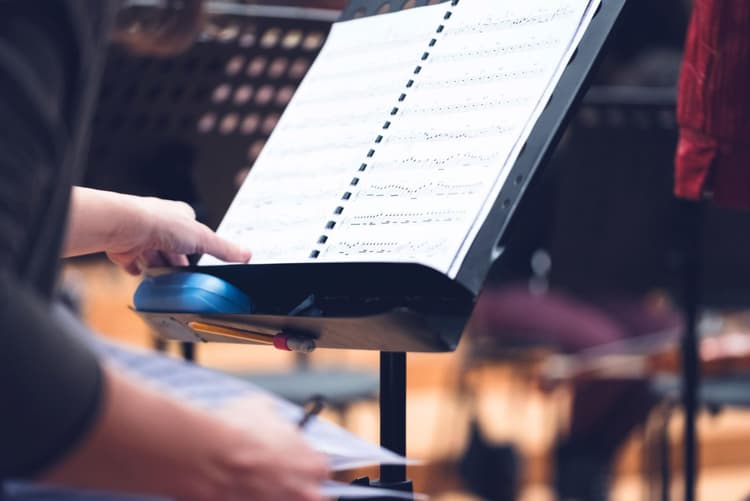
Music engraving is one of the most invisible professions in the music industry. When audiences watch orchestras perform, purchase sheet music online, or use pristine Broadway scores, they rarely think about the specialists responsible for transforming musical ideas into readable, performance-ready documents.
Professional music engravers are part graphic designers, part editors, part technicians, and part quality-control specialists. Their job is not simply typing notes into software. They make music easy to read, efficient to perform, and beautiful to look at.
Modern engravers bridge the gap between composition and performance by preparing scores that musicians can instantly understand. They often work for publishers, composers, film scoring companies, educational institutions, churches, and independent artists.
Reference: Studio Notation
Community discussions on Reddit frequently describe engraving as an overlooked art form where tiny decisions about spacing, page turns, and readability can dramatically affect a performance.
Reference: Reddit Composer Discussion
What Is Music Engraving?
References:
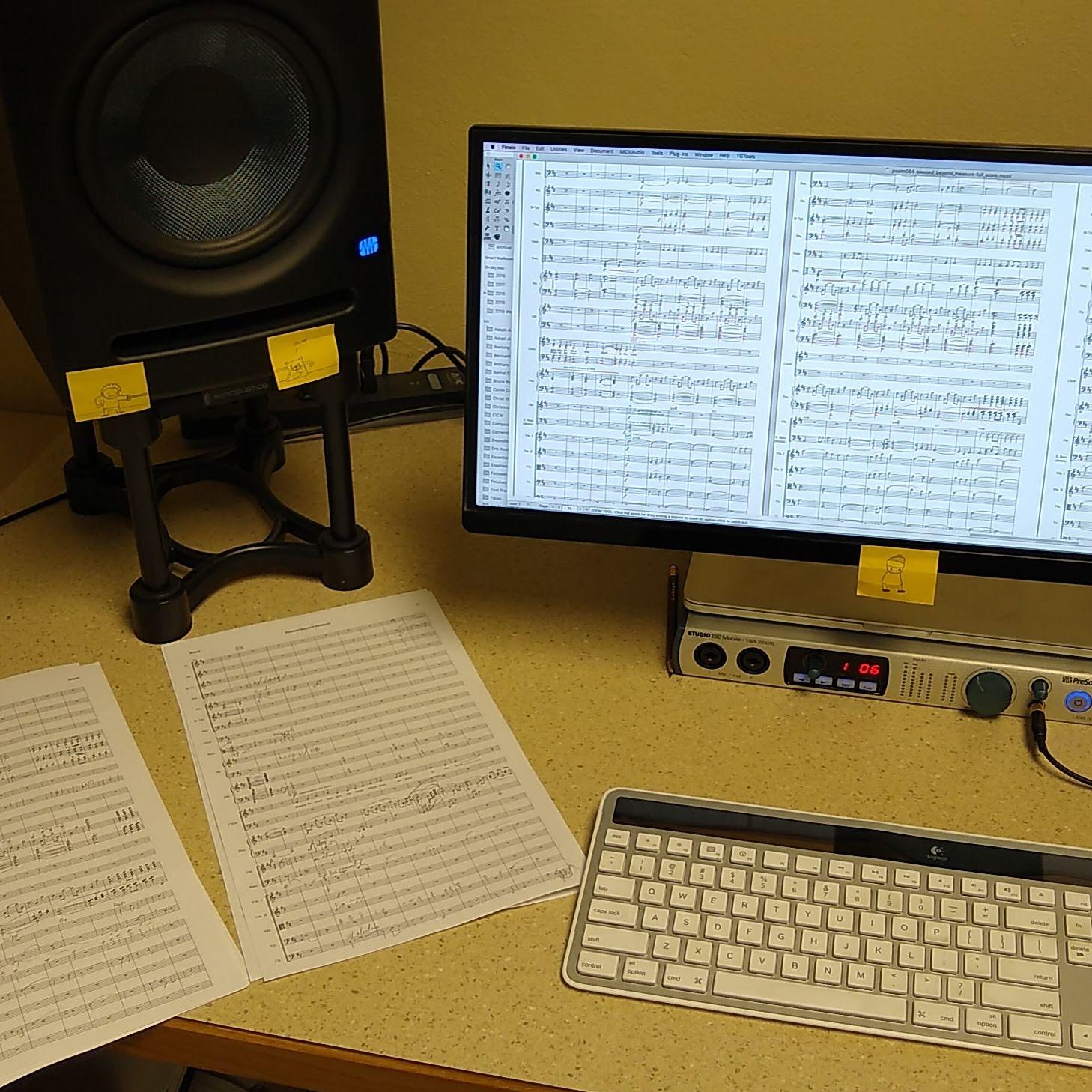
Music engraving is the process of transforming musical information into professionally formatted sheet music.
Historically, engravers literally carved music into copper plates for printing. Today, everything is digital, but the underlying goal remains unchanged: create music that performers can read quickly and accurately.
| Composer | Music Engraver |
|---|---|
| Creates musical ideas | Creates visual presentation |
| Writes melodies and harmonies | Organizes notation |
| Focuses on artistic direction | Focuses on readability |
| Focuses on sound | Focuses on visual communication |
The Main Responsibilities of Professional Music Engravers
References:
Cleaning Up Composers' Manuscripts
Many composers deliver rough materials that include handwritten sketches, MIDI exports, poorly formatted notation files, MusicXML documents, or audio transcriptions.
Engravers transform these into publication-quality scores.
- Correct note spacing
- Align dynamics
- Organize articulations
- Fix overlapping symbols
- Standardize notation styles
Reference: Studio Notation
Preparing Individual Instrument Parts
One of the most important jobs involves extracting individual parts from a conductor's score.
- Violins
- Violas
- Cellos
- Basses
- Woodwinds
- Brass
- Percussion
Each player needs a readable version optimized for performance.
- Comfortable page turns
- Proper cue notes
- Correct rehearsal markings
- Consistent dynamics
- Appropriate staff sizes
Reference: Music Notation Hub
Optimizing Visual Spacing
Professional engravers obsess over spacing because readability determines performance quality.
- Horizontal spacing: Distance between notes.
- Vertical spacing: Distance between staves.
- System spacing: Distance between groups of measures.
- Margin management: Balancing empty space around pages.
Reference: Dorico Tutorials
Applying Publishing Standards
Every publisher has style guidelines that engravers maintain throughout projects.
- Font sizes
- Tempo markings
- Dynamic placement
- Chord symbols
- Measure numbering
- Staff labels
Reference: Hughes Music
Software Professional Music Engravers Use
References:
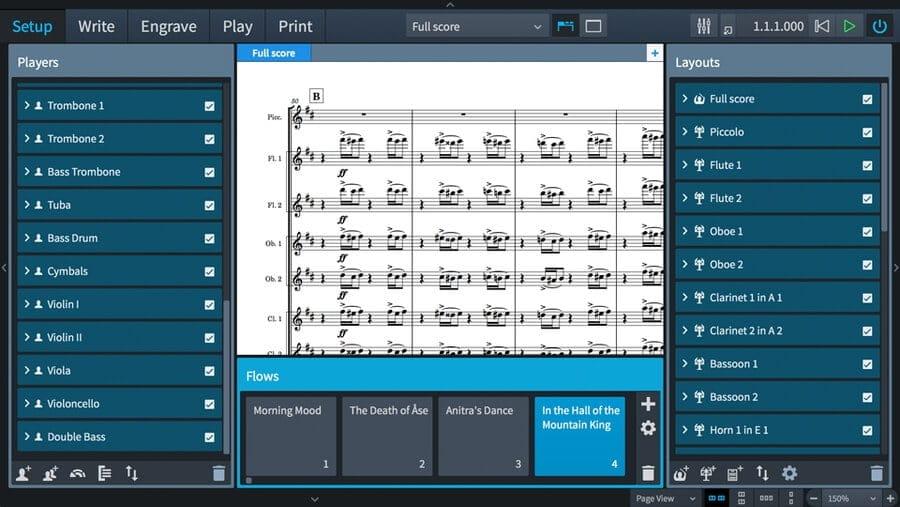
Dorico
- Automatic layout
- Advanced orchestral workflows
- Flexible engraving controls
Sibelius
- Fast workflow
- Intuitive editing
Finale
Many professionals still work with legacy Finale projects.
MuseScore
An increasingly powerful open-source solution.
Reference: Coda Scores
Real World Example: Film Scoring Projects
Film composers often work under extreme deadlines.
A composer may finish a 100-piece orchestral score late at night. Engravers then prepare the score for recording sessions.
- Receive the master score
- Correct notation errors
- Extract instrumental parts
- Fix page turns
- Create print-ready PDFs
Hollywood recording sessions depend heavily on music preparation specialists.
Real World Example: Publishing Classical Editions
Publishers often create modern editions of historical compositions.
Engravers may:
- Compare handwritten manuscripts
- Study old editions
- Correct inconsistencies
- Standardize notation
Reference: Hughes Music
Real World Example: Broadway and Theatre Productions
Musical theatre constantly changes.
- Songs get rewritten
- Keys change
- Orchestrations evolve
Engravers update:
- Vocal scores
- Orchestra books
- Conductor scores
One incorrect measure number could create chaos during rehearsals.
Skills Professional Music Engravers Need
References:
Musical Knowledge
- Harmony
- Orchestration
- Instrument ranges
- Performance practices
Design Skills
- Typography
- Visual hierarchy
- Balance
- Spacing
Technical Skills
- Notation software
- Publishing formats
- File conversion systems
Attention To Detail
- Missing accidentals
- Incorrect page turns
- Misaligned dynamics
Communication Skills
Engravers collaborate with composers, publishers, teachers, musicians, and conductors.
Industries That Hire Professional Music Engravers
- Music publishing companies
- Film and television
- Theatre productions
- Educational institutions
- Churches
- Independent composers
- Online sheet music marketplaces
Reference: Ross Music
How Much Do Professional Music Engravers Earn?
Freelancers typically charge by:
- Per page
- Per hour
- Per project
Pricing depends on:
- Complexity
- Instrumentation
- Deadlines
- Publisher standards
Reference: Reddit Discussion
Why Music Engravers Still Matter In The AI Era
Artificial intelligence can generate notation, but human engravers still outperform automation in several important areas.
- Musical context
- Performance practicality
- Visual elegance
- Publisher preferences
- Artistic intentions
Reference: AI Music Engraving Research
Frequently Asked Questions
What is the difference between a music engraver and a composer?
A composer creates the music while a music engraver creates the visual presentation that performers read.
Do music engravers need to play an instrument?
It is not mandatory, but understanding instruments and performance practices is extremely beneficial.
What software do professional music engravers use?
The most common tools include Dorico, Sibelius, Finale, and MuseScore.
Can AI replace professional music engravers?
AI can automate basic notation, but human engravers remain superior at readability, artistic judgment, and performance optimization.
Can someone work as a freelance music engraver?
Yes. Many engravers work independently for composers, publishers, churches, educational institutions, and theatre productions.
Why is music engraving important?
Good engraving makes performances easier, reduces mistakes, and helps musicians interpret compositions efficiently.
Final Thoughts
Professional music engravers are the hidden architects behind musical performance.
They transform rough ideas into polished documents that orchestras, bands, choirs, publishers, and students rely upon every day.
When musicians effortlessly read a score and perform confidently, a professional engraver has likely done their job perfectly.