
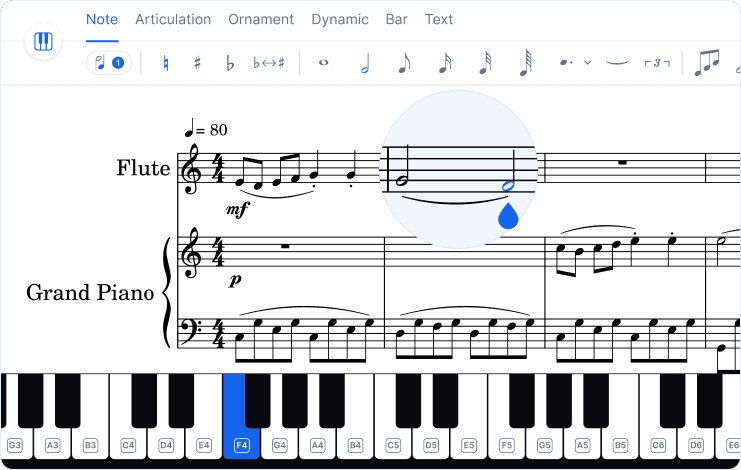
Selling sheet music online has become one of the most accessible ways for composers, arrangers, educators, and music publishers to generate revenue. However, one of the most important decisions sellers face is choosing the right format.
Should you sell downloadable PDFs? Offer MusicXML files? Provide editable notation files? Or should you focus on printed sheet music shipped to customers?
The answer depends on your audience, distribution strategy, and the type of musical experience you want to provide. Industry-leading marketplaces such as Musicnotes, Score Exchange, and independent publishers overwhelmingly rely on digital delivery, with PDF remaining the dominant format while MusicXML continues to grow in importance for interoperability. Sources: Musicnotes, Score Exchange

Why Format Matters When Selling Sheet Music Online
The format of your sheet music directly affects customer satisfaction, printing quality, device compatibility, editing capabilities, and long-term usability.
Discussions among composers and arrangers on Reddit consistently show that musicians want sheet music that is easy to download, print, read on tablets, and sometimes edit for rehearsals or educational purposes. Source: Reddit composer and sheet music discussions
Related Reading: Digital Sheet Music Formats | Physical Sheet Music Formats
Digital Sheet Music Formats
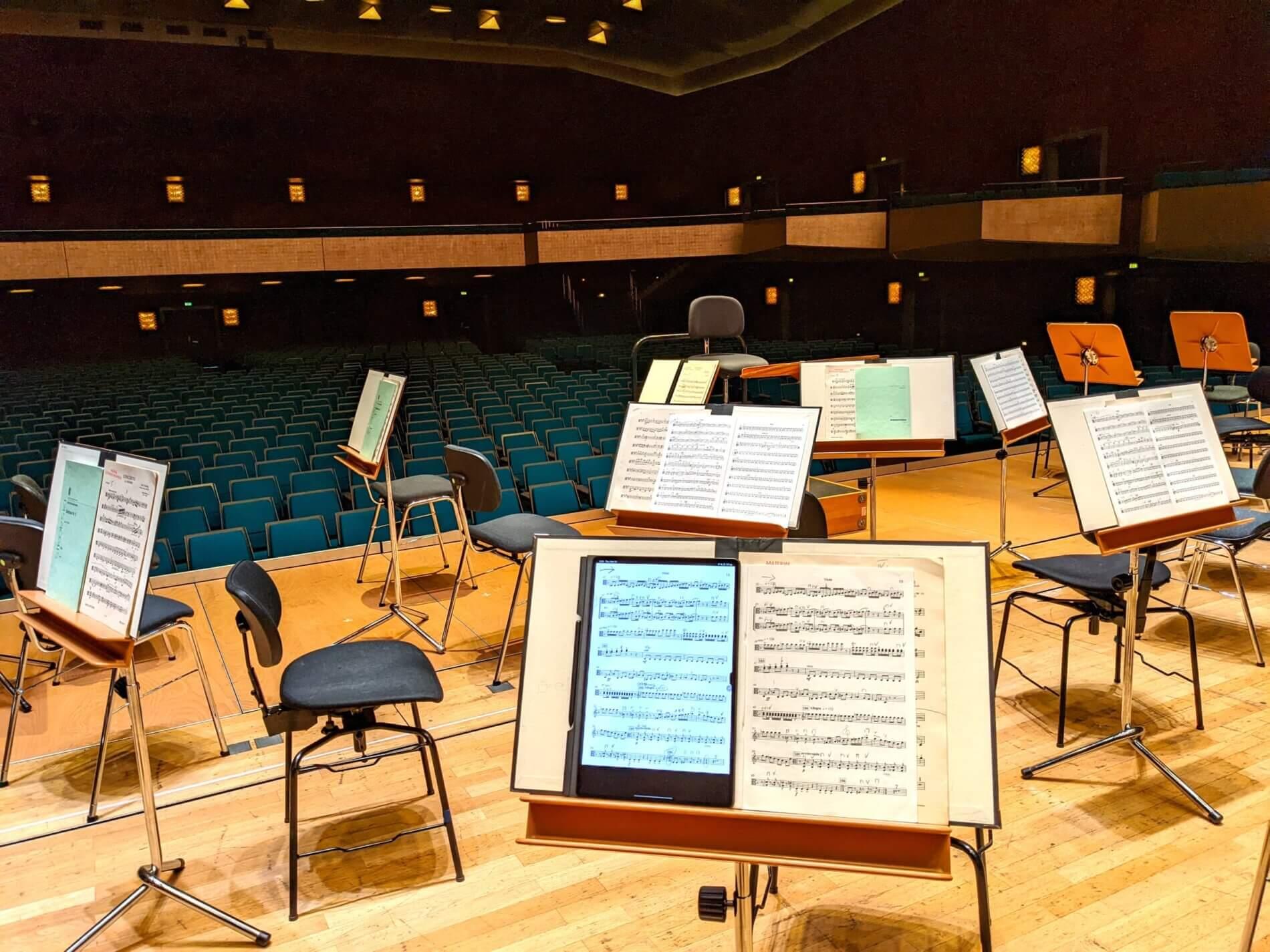
Digital sheet music has become the dominant method of online music distribution. Major marketplaces deliver scores instantly after purchase, eliminating printing, inventory, and shipping costs. Sources: Musicnotes, Score Exchange, ScoreVivo
PDF: The Industry Standard
PDF remains the most widely accepted format for selling sheet music online. Most major sheet music retailers distribute scores primarily as PDF files. Sources: Musicnotes, Score Exchange, Easy Piano Scores, ScoreVivo
Advantages of PDF
- Universal compatibility
- Consistent formatting
- Easy printing
- Professional appearance
- Low technical barriers for customers
Real-World Example
ScoreVivo sells downloadable sheet music primarily in PDF format, allowing customers to purchase, download, print, and begin playing within minutes. Source: ScoreVivo
Potential Drawbacks
- Cannot easily transpose
- Not easily editable
- Limited interactivity
- Difficult to extract notation data
As one Reddit user explained, a PDF is essentially viewed like an image rather than machine-readable notation data. Source: Reddit r/drums discussion on MusicXML
MusicXML: The Future-Proof Format
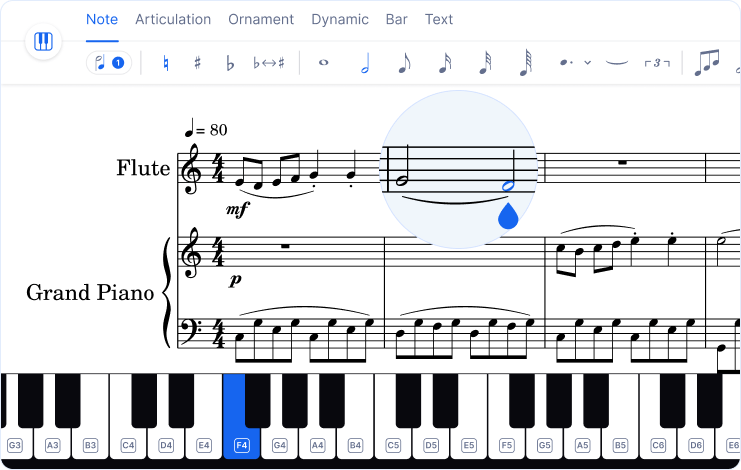
MusicXML is increasingly becoming the preferred format for musicians who need flexibility, editing capabilities, and compatibility between notation software. Source: MusicXML.com
Advantages of MusicXML
- Editable notation data
- Cross-platform compatibility
- Supports transposition
- Works with Finale, Sibelius, Dorico, MuseScore and more
- Ideal for educators and arrangers
Real-World Example
The MusicXML directory lists thousands of downloadable scores available in MusicXML format across platforms such as MuseScore, IMSLP, Musicalion, and others. Source: MusicXML.com
Reddit Insight
“MusicXML is the standard way for sharing files between different sheet-music software.”
Source: Reddit r/drums
Limitations
- More technical for casual users
- Requires notation software for full use
- May display differently across programs
Native Notation Files
Some sellers also provide original notation files such as:
- .sib (Sibelius)
- .musx (Finale)
- .mscz (MuseScore)
- .dorico
Bandzoogle supports selling these formats alongside PDF and MusicXML. Source: Bandzoogle Sheet Music Documentation
Best Use Case
Professional musicians, arrangers, educators, and collaborators who need access to the original score data.
Physical Sheet Music Formats

While digital sales dominate, physical sheet music remains valuable for schools, orchestras, churches, choirs, and collectors. Source: Moonhouse Music
Benefits of Physical Sheet Music
- Tangible product
- Professional presentation
- Preferred by traditional musicians
- Higher perceived value
Challenges
- Printing expenses
- Shipping costs
- Inventory management
- Longer delivery times
Real-World Example
Moonhouse Music offers both printed editions and downloadable PDF editions, allowing customers to choose their preferred format. Source: Moonhouse Music
Digital vs Physical Sheet Music Comparison
| Feature | Digital Sheet Music | Physical Sheet Music |
|---|---|---|
| Delivery Speed | Instant | Shipping Required |
| Production Cost | Low | High |
| Inventory | Unlimited | Limited |
| Printing Quality | User Dependent | Publisher Controlled |
| Editing Capability | Possible with MusicXML | Not Possible |
| Global Reach | Excellent | Moderate |
| Profit Margins | Higher | Lower |
What Is the Best Format to Sell?
For most independent composers and arrangers, the strongest combination is:
- PDF for every customer
- MusicXML for advanced users
- Optional notation files for professionals
- Print-on-demand editions for physical buyers
This hybrid approach provides the widest market reach while maximizing customer value. Sources: Bandzoogle, MusicXML.com, Score Exchange
Real-World Platforms Selling Sheet Music
| Platform | Primary Format | Notes |
|---|---|---|
| Musicnotes | PDF + Interactive | Large consumer marketplace |
| Score Exchange | Independent composer marketplace | |
| Bandzoogle | Multiple Formats | Direct-to-fan sales |
| Virtual Sheet Music | Interactive + PDF | Subscription model |
Useful Resources and Backlinks
- MusicXML Format Resources
- Musicnotes Marketplace
- Score Exchange
- Bandzoogle Sheet Music Selling Guide
- ScoreVivo Digital Distribution
- Virtual Sheet Music
Frequently Asked Questions
Should I sell sheet music as PDF or MusicXML?
Ideally both. PDF serves casual musicians while MusicXML attracts advanced users, educators, and arrangers.
Is PDF still the most popular sheet music format?
Yes. Most major marketplaces continue to rely heavily on PDF delivery because it is easy to print and universally supported.
Why do some customers request MusicXML?
MusicXML allows editing, transposition, playback, and compatibility with multiple notation programs.
Can I sell Sibelius or Finale files?
Yes. Many independent sellers offer original notation files alongside PDF versions, especially for professional customers.
Should I offer printed sheet music?
If your audience includes choirs, schools, orchestras, or collectors, printed editions can create additional revenue opportunities.
Which format generates the highest profit margins?
Digital PDF and MusicXML downloads generally provide the highest margins because there are no printing, storage, or shipping costs.
What format do most online sheet music stores use?
PDF remains the dominant format, though interactive and MusicXML-based solutions are becoming increasingly common.
Conclusion
If you are selling sheet music online today, PDF should remain your primary delivery format because it offers universal compatibility and customer familiarity. However, adding MusicXML significantly increases the value of your catalog for educators, arrangers, composers, and advanced musicians. For publishers targeting traditional markets, print-on-demand physical editions can complement a digital-first strategy.
The most successful sheet music sellers increasingly combine PDF, MusicXML, and optional source files to serve the widest possible audience while future-proofing their catalog.